
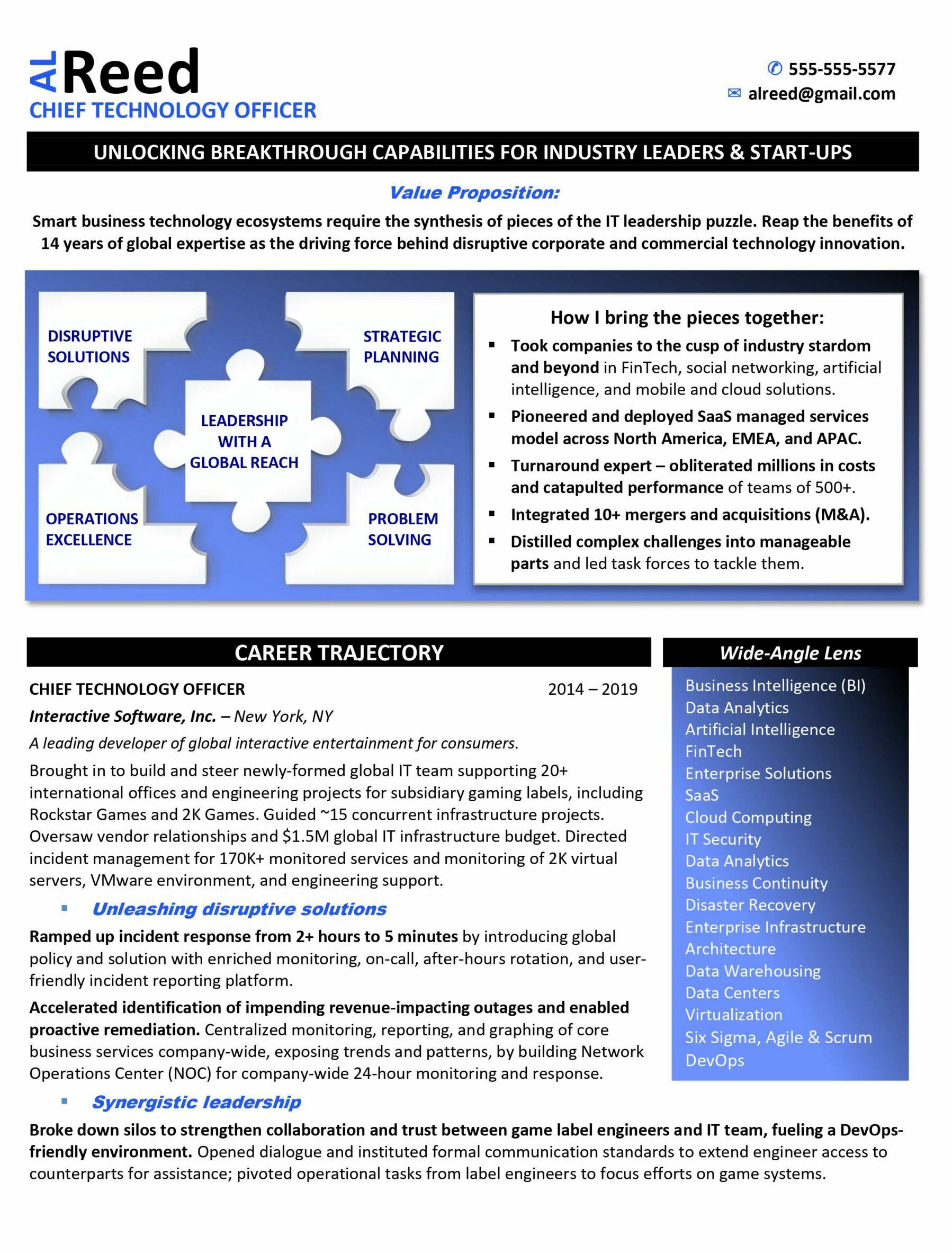
Chief Technology Officer (CTO) Education: Essential Degrees, Skills, and Training for Tech Leaders
Are you passionate about educational technology and eager to make a real impact in schools, colleges, or universities? Pursuing a career as a chief Technology Officer (CTO) in education enables you to shape digital experiences, drive innovation, and support student success. In this comprehensive guide, you’ll discover the essential CTO education requirements, skills, certifications, and training needed to thrive as a technology leader in academic institutions.
What does a Chief Technology Officer (CTO) in Education Do?
The role of a CTO in education has evolved rapidly, reflecting the increasing integration of digital tools, e-learning platforms, and cybersecurity frameworks across educational settings. Education CTOs are senior leaders responsible for driving the vision, strategy, and management of technology systems within schools, colleges, or universities.
- Developing and executing the institution’s tech strategy
- Overseeing IT infrastructure and ensuring robust cybersecurity
- Implementing and maintaining learning management systems
- Evaluating and integrating emerging technologies
- Collaborating with faculty, administrators, and staff on technology initiatives
- Managing technology budgets, procurement, and vendor relationships
- Leading and mentoring IT teams
CTOs serve as the bridge between teaching innovation and operational excellence, ensuring technology aligns with academic and organizational goals.
Essential Degrees for Education CTOs
Many institutions require CTOs to possess advanced educational backgrounds, reflecting the strategic and complex nature of the role. Here are the main degrees that prepare candidates for the responsibilities of a Chief Technology Officer in education:
Bachelor’s Degree
- Facts Technology
- Computer Science
- Management Information Systems
- Educational technology
A bachelor’s degree is the minimum requirement,providing foundational technical and management skills.
Master’s Degree
- Master of Science (MS) in Information Technology or Computer Science
- master of Education (M.Ed.) in Educational Technology
- MBA with a focus on Information Systems
- Master’s in Instructional Design and Technology
Most CTOs in education hold a master’s degree, which deepens their expertise in leadership, digital transformation, and organizational management.
doctoral Degree (Preferred or for Senior Leadership)
- ed.D. in Educational Leadership with a technology concentration
- Ph.D. in Computer Science or Information Technology
- Doctorate in Educational Technology
While not always required,doctoral degrees can enhance credibility and leadership potential,especially in large universities or research-focused institutions.
Must-Have Skills for CTOs in Education
Beyond formal qualifications, successful education CTOs boast a robust skill set tailored to the multifaceted demands of academic environments:
Technical Skills
- Cloud computing and virtualization platforms
- Cybersecurity and risk management
- Data analytics and reporting
- Network design, implementation, and troubleshooting
- Learning Management System (LMS) management
- software advancement and integration
Leadership and Management Skills
- Strategic planning and vision setting
- Project management (e.g., Agile, Scrum)
- Budgeting and resource allocation
- Vendor and stakeholder management
- Change management for digital transformation
Communication and Collaboration Skills
- Translating technical concepts for non-technical audiences
- Building consensus among diverse stakeholders
- Staff development and cross-functional team leadership
Combining deep technical abilities with soft skills is key to thriving in the dynamic and people-oriented world of education technology.
Essential Training and Certifications for Education CTOs
To stay ahead in the ever-evolving field of educational technology, CTOs should pursue ongoing professional development and relevant certifications. Here are some recognized credentials to enhance your CTO qualifications:
- Certified Education Technology Leader (CETL) – Focused on K-12 technology leadership
- certified information Systems security professional (CISSP) – Advanced cybersecurity
- CompTIA Security+ or Network+ – Core IT infrastructure and security
- Project Management Professional (PMP) – Project management expertise
- Microsoft Certified: Azure Solutions Architect or google Cloud Professional
- ISTE Certification for Educators – Educational technology standards
Engaging in workshops, seminars, and online courses related to data privacy, accessibility, and technology integration can further sharpen your capabilities.
Benefits of becoming a CTO in Educational Technology
Pursuing a CTO role in education offers a unique blend of professional, personal, and societal benefits:
- Impactful Leadership: Drive positive change in teaching, learning, and student success.
- Cutting-edge Innovation: Influence the adoption of new digital solutions and shape the future of education.
- Career growth: High demand for skilled technology leaders in education provides strong career trajectories and competitive salaries.
- Collaborative Work Environment: Engage with administrators, faculty, students, and tech professionals.
- Purpose-Driven Mission: Empower educators and learners through technology.
Practical Tips for Aspiring CTOs in Education
Ready to launch your career as a technology leader in education? Here are some actionable steps to strengthen your CTO job submission and career progression:
-
Gain Diverse technology Experience:
- Start in roles such as IT manager, systems administrator, or instructional technology coordinator.
- Broaden your exposure to networking, cybersecurity, and cloud services.
-
Pursue Advanced Degrees and Certifications:
- Invest time in a master’s or doctoral program related to technology or educational leadership.
- Seek industry certifications that align with your long-term goals.
-
Develop Leadership and Project Management Skills:
- Volunteer for cross-departmental initiatives and technology committees.
- Lead projects that impact classroom technology or institutional operations.
-
Build a Professional Network:
- Join associations like the International Society for Technology in Education (ISTE), Consortium for School Networking (CoSN), or EDUCAUSE.
- Attend conferences, webinars, and peer learning events.
-
Stay Current with Emerging Trends:
- Follow industry news about AI in education, cybersecurity threats, and digital equity initiatives.
- Experiment with new tools, platforms, and instructional methodologies.
Challenges and Opportunities in CTO Education Roles
While rewarding, serving as a CTO in education comes with its unique set of challenges. However, these also present amazing opportunities for growth and transformation.
- Balancing Budgets with Innovation: CTOs must creatively align tight education budgets with enterprising tech plans.
- Cybersecurity and Data Privacy: Protecting sensitive data and meeting regulatory compliance is a top priority.
- Equity in Technology Access: Ensuring all students and staff benefit from digital resources requires strategic planning.
- Stakeholder Buy-In: Change management skills are essential to foster a culture of digital adoption across the institution.
Success comes from resilience, adaptability, and a genuine commitment to educational transformation through technology.
Conclusion: Your Pathway to Becoming a Chief Technology Officer in Education
the journey to becoming a Chief Technology Officer in education requires a blend of robust academic credentials, diverse technical expertise, and visionary leadership. By pursuing the right degrees, mastering essential technical and management skills, and engaging in continuous professional development, you can become a driving force in transforming learning environments at schools, colleges, or universities.
If you are ready to take on the challenge, the CTO role offers a fulfilling career where your contributions directly shape the future of education. Embrace your passion for technology and education, build your credentials, and take strategic steps toward this influential leadership role today.