
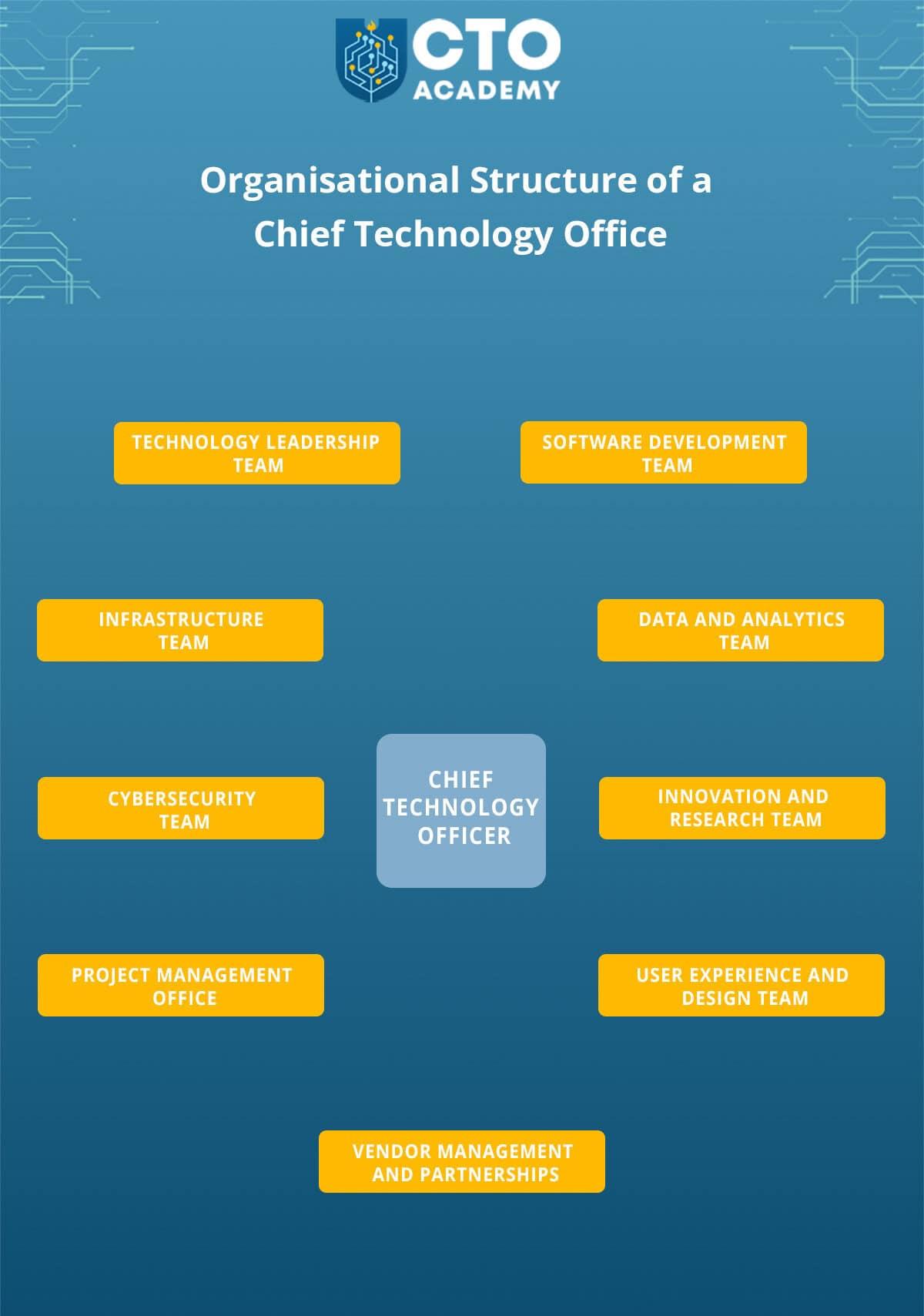
Chief Technology Officer (CTO) Education: Essential Skills, Degrees, and career Pathways
The role of Chief Technology Officer (CTO) in education has gained significant prominence as technology transforms learning environments across universities, colleges, and schools. If you’re passionate about driving innovation in education and guiding institutions towards a tech-powered future, a CTO position might potentially be your ideal career target. In this comprehensive guide, we’ll explore what it takes to become an education CTO—covering essential skills, required degrees, common career pathways, benefits, practical tips, and more to help you seize this rewarding opportunity.
Why Pursue a CTO Career in Education?
Chief Technology Officers play a strategic role in evolving the digital landscape of educational institutions. with the demand for tech integration and online learning skyrocketing, CTOs are at the forefront of critical decisions affecting student outcomes, faculty productivity, and institutional efficiency. Here are a few compelling reasons to consider a CTO position in education:
- Make a meaningful impact: Drive technology initiatives that shape how students learn and faculty teach.
- Be an innovation leader: Introduce cutting-edge solutions that modernize curricula and operational processes.
- Collaboration opportunities: Work closely with academic, IT, and administrative leaders to transform education.
- Enjoy career stability: The need for technology expertise in education is enduring and growing.
Key Responsibilities of a Chief Technology Officer in Education
The CTO’s job in a university, college, or school is multifaceted and strategic. Here’s what you can expect in this leadership role:
- Developing and implementing comprehensive technology strategies aligned with institutional goals.
- Overseeing IT infrastructure, including data security, networking, and cloud solutions.
- Leading digital transformation initiatives such as virtual classrooms, LMS platforms, and EdTech applications.
- Managing tech budgets, procurement, and vendor relationships.
- Ensuring regulatory compliance and digital accessibility standards.
- Training and mentoring IT staff and collaborating with academic departments.
- Evaluating and promoting emerging technologies to enhance teaching, governance, and learning outcomes.
Essential Skills to Succeed as a CTO in Education
Success as an Education CTO depends on blending technical prowess with strong leadership and communication abilities. Below are the core competencies required:
Technical Skills
- Comprehensive understanding of IT infrastructure, networks, and cybersecurity.
- Expertise in cloud computing, saas, and educational technology platforms (e.g., LMS, SIS).
- Data analytics, business intelligence, and data governance knowledge.
- Programming or scripting experience (preferred but not always required).
- Mobile and web application management.
leadership & Strategic Skills
- Visionary thinking to anticipate technology trends in education.
- Project management and budgeting skills.
- Change management and staff growth abilities.
- Decision-making based on institutional needs and stakeholder input.
Interpersonal Skills
- Exceptional communication and presentation skills for non-technical audiences.
- Ability to negotiate with vendors and service providers.
- Collaboration and consensus-building across departments.
- Empathy and understanding of academic culture.
required Degrees and Certifications
Chief Technology Officers in education typically hold advanced degrees and relevant certifications that demonstrate both their technical expertise and leadership capabilities. Here’s what you’ll need:
- Bachelor’s Degree: Most CTOs start with a degree in computer science, details technology, engineering, or a related field.
- Advanced Degrees: A Master’s degree (e.g., M.S. in Information Technology, MBA, M.Ed. in Educational Technology) is highly valued.Doctoral degrees might potentially be preferred for CTO roles at top-tier universities.
- Certifications: Industry credentials such as Certified information Systems Security Professional (CISSP), Project Management Professional (PMP), and Certified Education technology Leader (CETL) can enhance your qualifications.
Career Pathways: How to Become a CTO in Education
Charting your course to the CTO position involves gaining experience, expanding your expertise, and building valuable connections.Here’s a typical pathway:
- Start in IT or EdTech roles: Positions such as IT Manager, Technology Coordinator, or Systems Administrator are often good launching points.
- Advance to leadership positions: Roles like Director of Educational Technology, IT Director, or Network Manager provide hands-on leadership experience.
- Build a broad skillset: Gain expertise in project management,budgeting,academic operations,and technology integration.
- Pursue further education and certifications: Continue your studies in technology management, data security, or education leadership.
- Network actively: Engage with professional associations, attend EdTech conferences, and seek mentorship from established CTOs.
Typical Employers for Education CTOs
- Universities and colleges (public and private)
- Independent and public K-12 schools
- School districts
- Vocational and technical institutes
- Online learning organizations
Benefits of Becoming a CTO in Education
Serving as a CTO at a university, college, or school brings numerous professional and personal rewards:
- Influential leadership role: Shape the future of education through impactful decisions.
- Competitive salaries: CTOs in education enjoy attractive compensation packages, including benefits and professional development opportunities.
- Job security and growth: Technology in education is a rapidly growing field with ongoing demand for skilled leaders.
- Opportunities for innovation: Be at the forefront of adopting technologies that change how education is delivered and accessed.
- Work-life balance: Many educational organizations offer flexible work arrangements and generous time-off policies.
Practical Tips for Landing a CTO Role in Education
Ready to pursue a CTO career in education? Keep these actionable tips in mind to bolster your prospects:
- stay current with EdTech trends: Read industry publications, follow relevant thought leaders, and enroll in continuous learning programs.
- Develop a diverse portfolio: Showcase successful projects managing technology initiatives in educational contexts.
- Refine leadership abilities: lead multidisciplinary teams and drive change in collaborative environments.
- Tailor your resume and cover letter: Highlight experiences directly related to technology integration and strategic planning for education.
- Prepare for interviews: Demonstrate your understanding of both technology and how it supports teaching, learning, and administration.
- Network within education circles: Join technology and academic associations to expand professional connections.
- Seek mentorship and guidance: Learn from experienced CTOs and senior technology leaders in education.
Conclusion
The Chief Technology Officer role in education offers an exciting pathway for job seekers passionate about merging technology with academic excellence. By cultivating the right skills, securing relevant degrees and certifications, and following a well-rounded career journey, you can position yourself as a transformational leader in universities, colleges, or schools. Whether you seek to revolutionize classrooms, lead digital transformation, or safeguard institutional data, your impact as a CTO will resonate across the educational community. Start building your technology leadership legacy today and help chart the future of learning.