
Chief Technology Officer (CTO): Essential Education Requirements and Career Path Guide
Are you passionate about technology and education? If you dream of steering the digital transformation in schools, colleges, or universities, the role of Chief Technology Officer (CTO) in education technology (EdTech) could be your perfect career move. This comprehensive guide will walk you through the essential education requirements, recommended career pathway, benefits, and practical tips for landing a CTO role in the highly competitive EdTech sector. Whether you’re a tech-savvy educator, a seasoned IT specialist, or considering a career shift, this article will equip you with the insights and tools you need to succeed as a CTO in education.
What Does a Chief Technology Officer (CTO) in Education Do?
The role of a Chief Technology Officer (CTO) in educational institutions has never been more crucial. As schools, colleges, and universities increasingly adopt digital tools and learning management systems, the CTO becomes a key player in shaping technology strategies, ensuring cyber security, and improving student learning experiences.
- Strategic Planning: Setting the institution’s long-term technology vision and roadmap.
- Technology Implementation: Overseeing the deployment of new educational tools and systems.
- Team Leadership: Guiding and mentoring IT and EdTech teams.
- Security Oversight: Ensuring data privacy and security protocols are up-to-date and robust.
- Budget Management: Forecasting IT expenses and allocating resources wisely.
- Stakeholder Collaboration: Working closely with faculty, administration, and external vendors.
- Innovation: Exploring new trends and integrating cutting-edge technology to enhance learning outcomes.
Essential Education Requirements for a CTO in Education Technology
Landing the CTO position in an educational institution demands a solid educational background, a blend of technical expertise, and a genuine passion for educational advancements. Here’s what most employers expect:
Bachelor’s Degree
- Most CTOs begin their journey with a bachelor’s degree in Computer Science, Facts Technology, Educational Technology, Software Engineering, or a related technical field.
- Coursework often covers programming, systems design, networking, data management, and foundational EdTech principles.
Master’s Degree (Recommended)
- A Master’s degree is highly preferred, especially for roles at universities and large school districts.
- Popular options include a Master of Education in Educational Technology,Master of Science in Information Systems,or an MBA with a focus in technology management.
- Advanced study equips candidates with leadership, project management, and specialized EdTech expertise.
Specialized Certifications
- Certifications help aspiring CTOs stand out and frequently enough accelerate career progress.
- In-demand certifications include:
- Certified Educational Technology Leader (CETL)
- Certified Information Systems Security Professional (CISSP)
- Project Management Professional (PMP)
- CompTIA Security+
- Google Certified Educator
Continuous professional development through workshops and specialized EdTech courses demonstrates commitment and adaptability—two traits highly valued in the CTO hiring process.
Key Skills and Qualities Required for EdTech CTO Roles
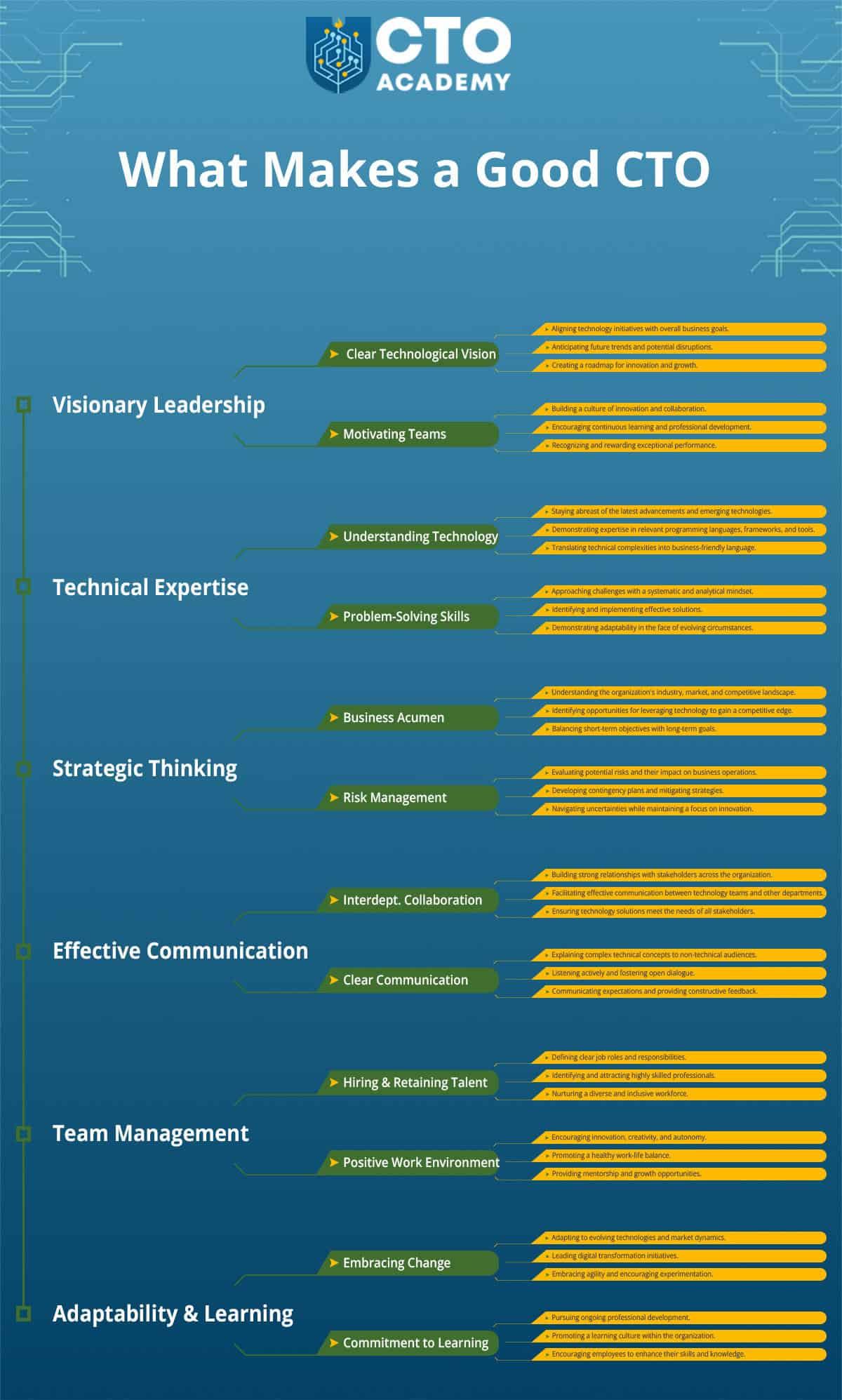
Being a successful CTO in education technology is more than just technical know-how. Employers seek candidates with a rich blend of technical, managerial, and interpersonal skills:
- Strategic Thinking: Ability to see the big picture and align technology with institutional goals.
- Technical Proficiency: Deep understanding of network infrastructure, cloud computing, cybersecurity, software development, and learning management systems (LMS).
- Leadership: Inspirational leadership to guide tech teams,drive change,and foster innovation.
- Project Management: Experience in overseeing large, complex EdTech projects from conception to completion.
- Communication: Clear and empathetic communication with educators, administrators, and external stakeholders.
- Data-Driven Decision Making: Using analytics to assess digital tool effectiveness and learning outcomes.
- Problem-Solving: Quick and creative solutions for tech challenges and classroom integration.
- Adaptability: Staying current with emerging technologies and regulatory requirements.
A Comprehensive Career Path to Becoming a CTO in education
Stepping into the CTO role typically follows a progressive path through various technical and leadership positions. Here’s a common career roadmap:
- Education and Foundation Building:
- Earn a relevant bachelor’s degree and start building technical skills through internships or entry-level IT jobs.
- Gaining Experience in EdTech or IT:
- Work as an IT specialist, Network Administrator, Systems Analyst, or EdTech Coordinator in a school or university setting.
- Develop expertise with educational technologies, classroom integration, and technical support.
- Advancing into Management Roles:
- Pursue roles such as IT Manager, Director of Technology, or EdTech Manager.
- Lead teams, manage budgets, and participate in strategic decision-making.
- Continuing Professional Development:
- Obtain industry-recognized certifications and attend industry conferences.
- Consider earning a master’s degree for higher-level positions.
- Securing the CTO Position:
- Apply for CTO roles at schools, districts, colleges, or universities.
- Demonstrate expertise in both educational strategies and cutting-edge technology.
Benefits of Becoming a CTO in EdTech
Pursuing the career path of a Chief Technology Officer in education technology presents several meaningful benefits:
- High Earning Potential: CTO roles in education often come with competitive compensation packages, especially in higher education and large school districts.
- Career Stability: As educational institutions continue to digitize, the demand for skilled technology leaders remains strong.
- Positive Societal Impact: Directly influence the quality of education and student success by implementing innovative tools and solutions.
- Continuous Learning: Stay at the forefront of emerging technologies, AI, cybersecurity, and data analytics in education.
- Leadership Opportunities: Work closely with top-level administrators and contribute to institutional strategy.
- Inspiring the Next Generation: Help create an engaging, inclusive, and effective digital learning habitat for faculty and students.
Practical Tips for Aspiring CTOs in Education Technology
Whether you’re just starting or ready to take the next step toward a CTO position in EdTech, these actionable tips will help you fast-track your progress:
- Build a Diverse skillset: Pair your technical skills with educational know-how. Volunteer for EdTech pilot projects, contribute to academic technology committees, or mentor students in coding clubs.
- Network Relentlessly: Attend EdTech conferences, join professional associations (like ISTE or CoSN), and connect with current CTOs and technology leaders in education.
- Focus on Communication: Practice translating complex tech concepts into language educators and administrators easily understand.
- Showcase Strategic Projects: Highlight successful technology rollouts or curriculum integrations on your resume and in interviews.
- Stay Agile and Innovative: Follow trends like personalized learning,AI in education,and cybersecurity to anticipate institutional needs.
- Get Certified: Pursue in-demand certifications tailored to both technology and education for maximum impact.
- Pursue Higher Education: Advance your education with a master’s degree or MBA to stand out in competitive hiring processes.
Conclusion: Your Pathway to CTO Success in Education Technology
The role of Chief Technology Officer (CTO) in education technology is both challenging and extraordinarily rewarding. By pursuing the right education requirements, building a versatile skillset, and thoughtfully navigating your career path, you can position yourself as an indispensable tech leader in today’s educational landscape. Start your journey with a strong foundation in computer science or educational technology, seek leadership opportunities, and commit to lifelong learning. With vision, passion, and perseverance, you’ll be ready to help shape the future of education as a Chief Technology officer.
If you’re ready to make a important impact on academic communities and drive digital transformation at universities, colleges, or schools, now’s the time to start building your EdTech career toward a CTO role.