
Client Onboarding Manager in EdTech: Key Responsibilities and Skills for Success
Are you passionate about both education and technology? Do you enjoy helping others get comfortable with new digital tools? if so, a career as a Client Onboarding Manager in EdTech at universities, colleges, or schools might potentially be the perfect fit for you. This role is at the forefront of transforming the educational experience, ensuring that faculty, administrators, and students successfully adopt new educational technology solutions.in this comprehensive guide, you’ll learn about the responsibilities, skills, and opportunities for client onboarding managers in EdTech, along with valuable tips for breaking into this dynamic field.
What is a Client Onboarding Manager in EdTech?
A client Onboarding Manager in the education technology sector plays a crucial role in ensuring that new clients—universities, colleges, schools, and other educational institutions—can smoothly implement and integrate digital tools or platforms into their educational environments. Acting as the bridge between EdTech providers and institutional users, onboarding managers guide clients thru every stage, from kickoff to full adoption, delivering a seamless transition and positive user experience.
Key Responsibilities of a Client Onboarding Manager in EdTech
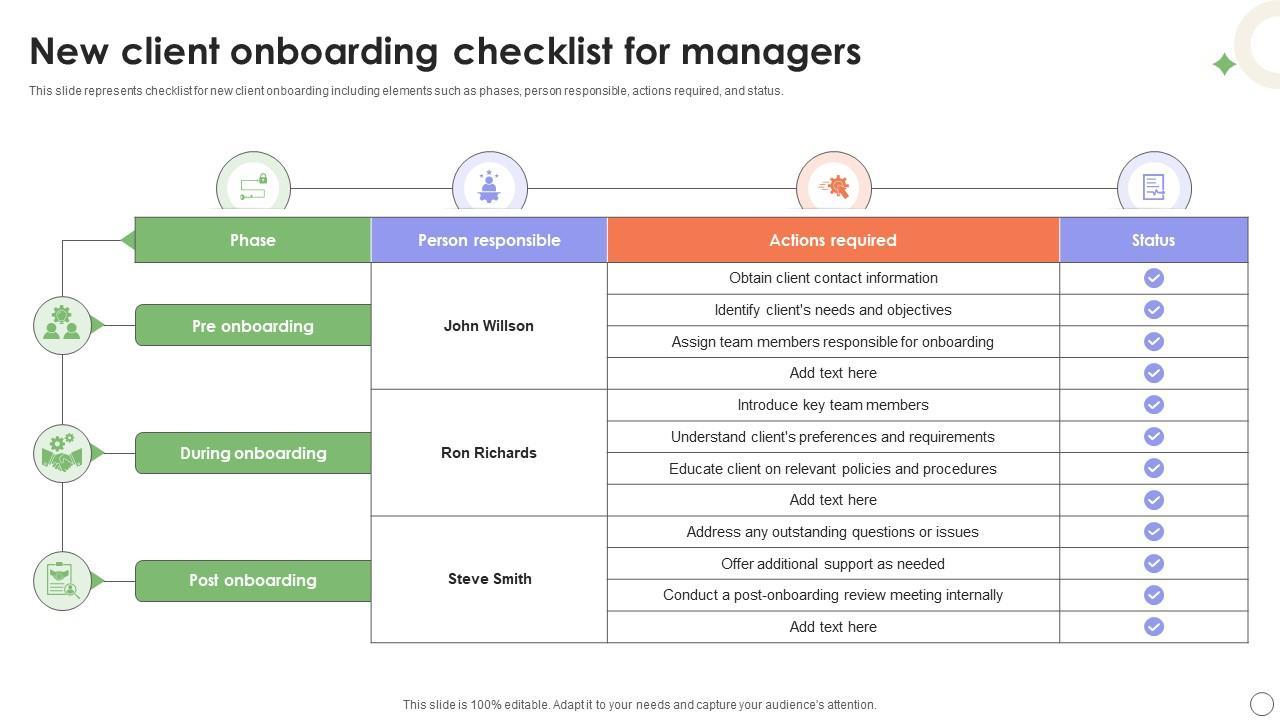
Success in this position is rooted in a blend of technical know-how, project management aptitude, and excellent communication. The responsibilities typically include:
- Project Planning and Coordination: Developing detailed onboarding plans that align with the educational institution’s goals and timeline.
- Client Relationship Management: Acting as the primary point of contact for institutional clients, building strong relationships, and fostering trust throughout the onboarding process.
- Conducting Product Demos and Training: Organizing and leading orientation sessions, webinars, and hands-on training to ensure faculty and staff are comfortable with the new EdTech platform.
- Customization and Configuration: Working closely with IT departments to tailor the platform settings according to institution-specific needs.
- Troubleshooting and Support: Addressing any technical issues or questions promptly during the onboarding phase and escalating more serious concerns to the technical support team if needed.
- Monitoring Progress and Adoption: Tracking usage metrics and user engagement to identify and proactively address potential adoption hurdles.
- Feedback Collection and Reporting: Gathering feedback from users and sharing insights with the product and growth teams to improve the EdTech solution.
- Documentation and Resource Development: Creating user guides,FAQs,and other onboarding materials tailored to educators and administrators.
- Ensuring Client Satisfaction and Success: measuring onboarding effectiveness through surveys and kpis, ensuring that clients are set up for long-term success with the technology.
Essential Skills for a Client Onboarding Manager in EdTech
to thrive as a Client Onboarding Manager in the EdTech field, you’ll need a diverse set of skills that combine technical proficiency with interpersonal expertise. Here are the top competencies required:
- Project Management: Ability to oversee multiple onboarding projects concurrently and ensure all milestones are met on time.
- Technical Acumen: Understanding of software platforms, digital learning environments, and integration processes commonly used in educational settings.
- Communication and Presentation: Strong written and verbal communication skills for leading training sessions and simplifying complex concepts for varied audiences.
- Problem-Solving: Speedy thinking and resourcefulness in addressing client concerns or roadblocks during implementation.
- Customer Service Orientation: A dedication to ensuring users’ satisfaction and helping them achieve their goals with the technology.
- Collaboration: Ability to work closely with different teams—sales, product, support, and IT—to deliver a unified onboarding experience.
- Data-Driven Decision Making: Proficiency with analytics tools to measure user adoption, engagement, and success metrics.
- Empathy and Active Listening: Sensitivity to educators’ and administrators’ unique challenges when adopting new technology.
Qualifications and Experience
While there isn’t a single path to becoming a Client Onboarding manager in EdTech, many employers at universities, colleges, and schools look for candidates with:
- A bachelor’s degree in education, instructional design, facts technology, business, or related fields.
- Experience in education,technology,account management,or client services roles.
- Familiarity with educational technologies (LMS, SIS, e-learning tools) and their integration in academic environments.
- Certifications in project management (such as PMP or Agile),customer success,or relevant software platforms can enhance your profile.
Practical experience with modern EdTech platforms and an understanding of higher education or K-12 operations are highly valued.
Benefits of Becoming a Client Onboarding Manager in EdTech
Pursuing a career as a Client Onboarding Manager in education technology offers a unique blend of personal fulfillment and professional growth. Here are some key benefits:
- Be at the Forefront of education innovation: Play an active role in changing the way learning happens by introducing cutting-edge technology to schools and universities.
- Meaningful Impact: Help educators and students leverage digital tools to enhance teaching and learning experiences.
- Career advancement: Develop transferable skills that pave the way toward roles in customer success, product management, or leadership.
- Diverse Work Surroundings: Collaborate with professionals from both educational and technical backgrounds, enriching your day-to-day work experience.
- Job Security: As digital change in education accelerates, demand for skilled onboarding managers continues to rise.
Practical Tips for Landing a Client Onboarding Manager Job in EdTech
Breaking into the field can be competitive,but you can stand out by following these actionable tips:
- Build Your Digital Literacy: Familiarize yourself with popular EdTech platforms,learning management systems (LMS),and student information systems (SIS) used by universities,colleges,and schools.
- Showcase Transferable Skills: Highlight experience in training, project management, customer service, or technology implementation in your resume and cover letter.
- Network in the edtech Community: Attend industry webinars, local meetups, or conferences to connect with current professionals and stay updated with emerging trends in educational technology.
- Gain Relevant Certifications: Consider short courses in project management, customer success, or specific EdTech tools to make your submission stand out.
- Demonstrate Empathy for Educators: Institutions want onboarding managers who understand the challenges faced by teachers and administrators during technology transitions. Showcase examples of how you’ve helped others adapt to change.
- Prepare for Scenario-Based Interviews: Be ready to discuss real-world examples of managing difficult clients, troubleshooting technical issues, or rolling out a new product in a high-pressure environment.
Current Trends Shaping the Client Onboarding Manager role in EdTech
The role of a Client onboarding Manager in EdTech is continually evolving. Remaining aware of these emerging trends can help you better position yourself for success:
- personalized Onboarding Paths: Institutions expect onboarding programs tailored to their unique instructional models and campus cultures.
- Focus on User Engagement: beyond technical setup,the role now includes promoting active engagement and providing ongoing support for digital adoption.
- Remote and Hybrid Support Models: With remote learning on the rise, onboarding managers must be adept at providing virtual training and support for distributed faculty and staff.
- Data-Driven Insights: Real-time analytics to measure engagement and flag adoption issues have become an integral part of the onboarding process.
Conclusion
In today’s rapidly changing educational landscape, the Client Onboarding Manager plays an indispensable role in bridging the gap between innovative EdTech solutions and successful adoption at universities, colleges, and schools. If you enjoy fostering positive relationships,managing projects,and making a meaningful difference in education,this career path offers both challenge and reward. By developing the right skills, staying attuned to industry trends, and positioning yourself as a solution-oriented professional, you can embark on a fulfilling career as a Client Onboarding Manager in EdTech—and help shape the future of learning for educators and students alike.