
Client Onboarding Manager in EdTech: Key Responsibilities, Skills, and Career Insights
The education technology (EdTech) industry is transforming the way universities, colleges, and schools operate, making learning more accessible, engaging, and effective. As more educational institutions adopt digital tools and solutions, the role of a Client Onboarding Manager in EdTech has become increasingly vital. If you are seeking an impactful career at the intersection of technology and education, this guide will walk you thru the key responsibilities, essential skills, career prospects, benefits, and practical tips to help you succeed in the EdTech sector.
Understanding the Role: What Does a client Onboarding Manager in EdTech Do?
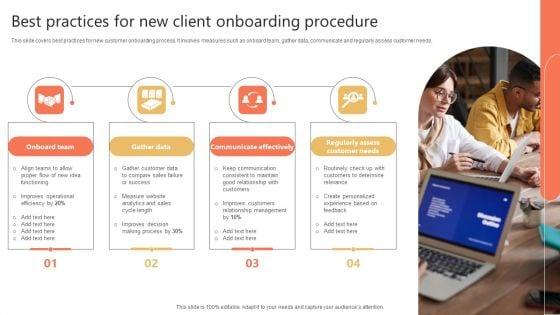
A Client Onboarding Manager in EdTech plays a crucial liaison role between technology providers and educational institutions. This position is responsible for ensuring a smooth and successful transition as schools, colleges, or universities implement new EdTech solutions. From initial product setup to user training and troubleshooting,onboarding managers are the cornerstone of customer satisfaction and product adoption within academic environments.
who hires Client Onboarding Managers in EdTech?
- EdTech companies serving universities, colleges, and K-12 schools
- learning management system (LMS) providers
- Educational publishers expanding with digital products
- Technology consultants specializing in education
Key Responsibilities of a Client onboarding Manager in EdTech
The daily tasks of a Client Onboarding Manager can be diverse, but they generally revolve around guiding new clients—educational institutions and their staff—through the process of integrating technology solutions. typical responsibilities include:
- Client kick-Off meetings: Hosting introductory sessions to set expectations, timelines, and milestones.
- Needs Assessment: Collaborating with school or university stakeholders to understand specific requirements and customize solutions.
- Solution Implementation: Overseeing the installation, configuration, and integration of EdTech products, ensuring data privacy and compliance.
- User Training: Organizing workshops, webinars, or one-on-one sessions to ensure faculty and administrative staff are equipped to use the technology effectively.
- Support Coordination: Acting as the first point of contact for troubleshooting and addressing initial issues post-implementation.
- documentation: providing manuals, FAQ resources, and training guides tailored to the specific educational institution.
- Knowledge Transfer: Empowering internal champions within the client organization to aid long-term adoption and usage.
- Feedback Collection: Gathering input from users to drive product improvement and customer satisfaction.
- Stakeholder Communication: Keeping all parties informed about progress, updates, and crucial next steps.
Essential Skills for a Client Onboarding Manager in EdTech
Success as a Client Onboarding Manager in the educational technology industry requires a unique blend of technical proficiency, communication finesse, and project management expertise. Key skills include:
- Technical Acumen: Comfort with technology platforms, cloud-based applications, and data security best practices.
- Project Management: Ability to handle multiple onboarding projects simultaneously, with strong organizational and deadline-driven skills.
- Communication: Stellar interpersonal and written communication skills to interface with diverse stakeholders,from IT staff to educators and administrators.
- Training and Facilitation: Capability to deliver clear, engaging, and relevant training sessions for users with varying levels of tech proficiency.
- Problem-Solving: Speedy and creative solutions to unexpected challenges or roadblocks during implementation.
- Customer-centric Attitude: Prioritizing the needs and satisfaction of educational clients throughout the onboarding journey.
- Adaptability: Navigating evolving client requirements and dynamic EdTech products.
- Attention to Detail: Ensuring all integration steps are completed accurately and compliant with educational standards.
Desirable Qualifications
- Bachelor’s degree in Education, Computer Science, Information technology, Buisness, or related fields
- Experience in K-12, higher education, or EdTech industries
- Certification in project management (such as PMP, PRINCE2, or Agile methodologies)
- Familiarity with Learning Management Systems (LMS), Student Information Systems (SIS), or other education-specific platforms
Career Insights and Advancement Opportunities
Choosing a career as a Client Onboarding Manager in EdTech opens the door to a dynamic and future-proofed profession. Growth in the adoption of digital tools in education means increasing demand for skilled onboarding professionals. Career progression can include:
- Senior Onboarding Manager: Taking on larger or more complex clients and projects
- Customer Success Manager: Leading broader client relationship management post-onboarding
- Product Management: Transitioning into roles shaping future EdTech products based on client feedback
- Sales or Solution Consulting: Pre-sales support, demos, and solution customization
- Training and Development: Designing educational programs for clients
Average Salary
Salaries for Client Onboarding Managers in EdTech can vary based on location, company size, and experience. In the United States,annual salaries typically range from $65,000 to $95,000,with senior positions reaching beyond $110,000. Enhanced experience or additional technical expertise can further boost earning potential.
The Benefits of Working as a Client Onboarding Manager in EdTech
This unique career path offers numerous advantages to those passionate about both education and technology:
- Impactful Work: Directly support institutions in modernizing and enhancing teaching and learning experiences
- Professional Growth: Exposure to cutting-edge technologies and practices in both education and tech industries
- Job Stability: EdTech is a fast-growing industry, with continued investments in digital learning
- Collaborative Environment: Work closely with educators, administrators, developers, and support teams
- Variety and Challenge: Every onboarding project is unique, ensuring constant learning and variety
- Remote and Flexible Opportunities: Many EdTech roles, including onboarding management, offer partial or full remote work
Practical Tips for Landing a Client Onboarding Manager Role in EdTech
If you’re aiming for a successful career as a Client Onboarding Manager in EdTech, here are some actionable tips to help you stand out to employers in universities, colleges, or schools:
- Build a Technical Foundation: Gain familiarity with common EdTech platforms like LMS, SIS, and classroom management systems.
- Develop Project Management Skills: Take courses or seek certifications in relevant project management frameworks.
- Showcase Communication Abilities: Highlight experience in training, customer service, or facilitation on your resume.
- Network with the EdTech Community: Attend industry conferences, webinars, and join professional associations.
- Stay Current: Follow trends in digital learning, data privacy, and new instructional technologies.
- Tailor Your Application: Emphasize past experience in education,technology,or onboarding roles when applying.
- Prepare for Interviews: Be ready to discuss real-world scenarios about technical problem-solving and client relationship management.
Conclusion: Unlock a Fulfilling Career in EdTech Onboarding
Working as a Client Onboarding Manager in EdTech is not only about implementing software—it’s about empowering educators and students to maximize the benefits of technology in their learning environments.With the right blend of skills and passion, you can make a notable impact in the fast-expanding digital education sector. if you are proactive, people-oriented, and love bridging the gap between technology and educational success, this role could become a rewarding step in your career journey. Take the first step today and embark on a path that combines purpose, innovation, and lifelong learning in the world of education technology.