
Client Onboarding Manager in EdTech: Key Role, Skills, and Career Path Explained
Are you interested in shaping the future of education by joining the rapidly-growing EdTech sector? If you’re keen on helping universities, colleges, or schools successfully adopt innovative technologies, a position as a Client Onboarding Manager in EdTech could be your next career move.In this extensive guide, we explore the significance of this role, key responsibilities, required skills, potential career paths, benefits, and practical tips to excel in this dynamic field.
Understanding the Role of a Client Onboarding Manager in EdTech
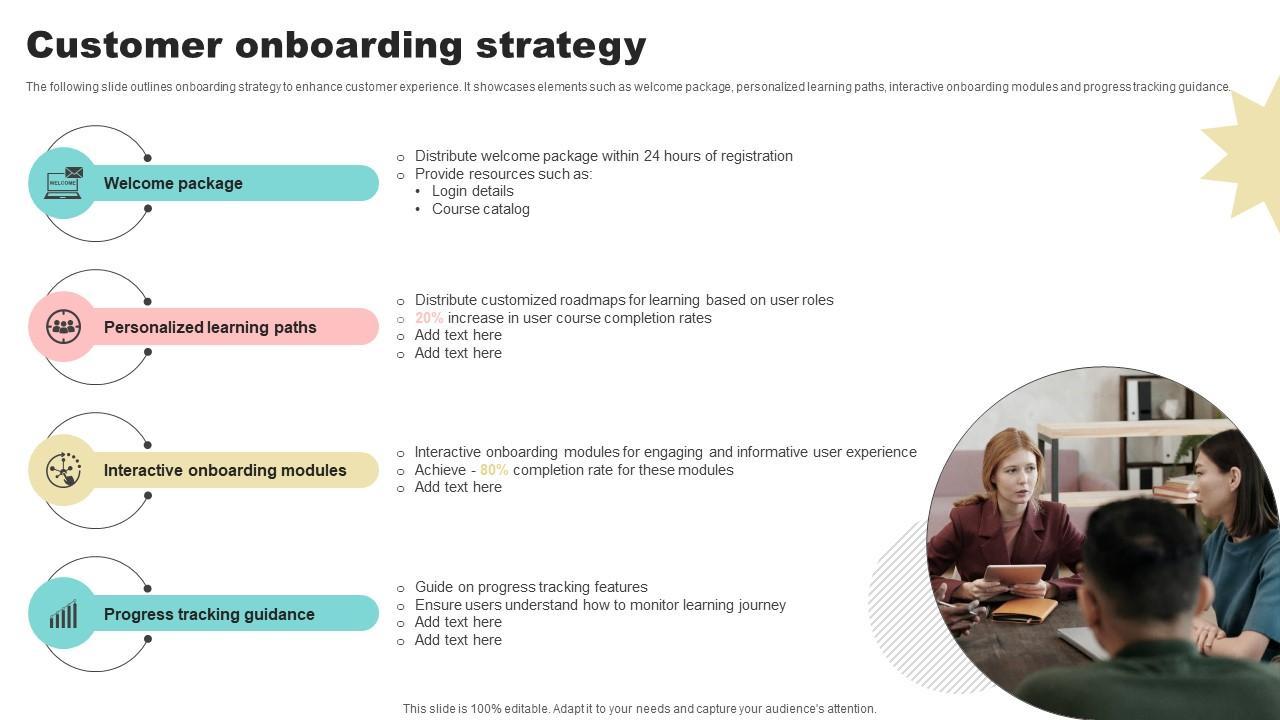
The Client Onboarding Manager plays a critical part in ensuring smooth transitions for educational institutions integrating new software and technology solutions. Acting as the bridge between EdTech providers and learning institutions, this role focuses on delivering a seamless customer experience from the initial handshake to system launch, empowering educators and administrators with the tools they need.
- Primary Objective: Guide clients (universities, colleges, schools) through the onboarding process of new education technology platforms or solutions.
- Collaboration: Work closely with sales,implementation,customer success,and product teams.
- customer Success Focus: Ensure institutional clients are fully supported as they adopt and optimize EdTech products.
- Feedback Loop: Gather valuable input from clients to drive future enhancements of the technology.
Key Responsibilities of a Client Onboarding Manager in EdTech
In the education technology sector, the onboarding process often determines the long-term success and satisfaction of a client. Here are the core duties of a Client Onboarding Manager at universities, colleges, or schools:
- Strategy Growth: Design and implement onboarding plans customized for each educational client, addressing their unique needs and goals.
- Project Management: Oversee timelines, ensure deliverables, and coordinate resources throughout the onboarding journey.
- Training and Enablement: Organize workshops, virtual tutorials, and documentation to educate faculty, staff, and administrators.
- Technical Liaison: Act as a conduit between the client’s IT department and the EdTech provider to tackle integration challenges.
- Issue Resolution: proactively address obstacles, questions, or concerns that arise during the onboarding process.
- Performance Tracking: Monitor key metrics, report results, and adjust strategies for improved client outcomes.
- Relationship building: Foster lasting partnerships between the EdTech provider and educational institutions, supporting retention and growth.
Essential Skills and Qualifications for Success
To thrive as a Client Onboarding Manager in EdTech, candidates should possess a blend of technical knowledge, project management prowess, and interpersonal skills. Below are the most sought-after qualifications:
- Education: Bachelor’s degree in education, information technology, business, or related field (master’s or specialized certifications are a plus).
- Project Management: Experience in leading projects, juggling deadlines, and allocating resources efficiently.
- Interaction Skills: Ability to explain technical concepts to non-technical stakeholders and communicate effectively in diverse environments.
- Technical Aptitude: Familiarity with learning management systems (LMS),student information systems,or similar EdTech platforms.
- Problem-Solving: Capacity to address challenges with analytical thinking and creative solutions.
- Customer Service Orientation: Demonstrated commitment to delivering exceptional client experiences.
- Adaptability: Comfortable in fast-paced, technology-driven environments where priorities shift.
Typical Career Pathways in EdTech Onboarding Management
edtech onboarding provides entry points and advancement opportunities for professionals passionate about education and technology adoption. Here’s how your journey may unfold:
- Entry-Level Roles: Many begin as onboarding specialists, project coordinators, or technical support agents, gaining foundational experience in client interaction and technology implementation.
- Mid-Level advancement: After mastering onboarding protocols and developing leadership skills, you may progress to junior Client Onboarding Manager roles or take on complex institutional projects.
- Leadership Opportunities: With years of experience,top performers may transition to Senior Onboarding Manager,Director of Customer Success,or Product Manager roles within EdTech companies.
- Consulting and Training: Seasoned professionals often become consultants or trainers, helping multiple institutions optimize technology adoption across the academic landscape.
Academic vs. corporate Career Paths
- Academic Settings: Opportunities to work directly in universities, colleges, or school districts supporting internal EdTech implementation and faculty training.
- EdTech Companies: Roles with SaaS businesses or educational software providers, engaging diverse industry clients and shaping future technology offerings.
Benefits of Becoming a Client Onboarding Manager in Education Technology
A career as a Client Onboarding Manager in edtech offers a unique blend of professional rewards, personal fulfillment, and industry growth potential:
- Impactful Work: Directly influence how learning institutions utilize innovative technology to improve educational outcomes.
- continuous Learning: Stay at the forefront of technological advancements and pedagogical trends.
- Career Mobility: Leverage your skills in project management, communication, and technology across multiple education sectors.
- Networking Opportunities: Connect with thought-leaders, educators, and innovators in both academic and tech ecosystems.
- Compensation & Benefits: Competitive salary, with additional perks such as professional development, flexible work arrangements, and travel opportunities.
- Job Satisfaction: Enjoy a sense of accomplishment as you support the digital transformation of education.
Practical Tips to Land and Succeed in a Client Onboarding Manager Role
Whether you are starting your career or seeking advancement, these practical tips will boost your chances of securing your ideal EdTech onboarding position and excelling in it:
- Build Relevant Experience: Gain exposure to education technology by working in customer support, training, or project coordination roles within academic institutions or EdTech companies.
- Learn Popular Platforms: Familiarize yourself with widely-used systems such as Canvas, Blackboard, Google Classroom, and other education software tools.
- Develop Project Management Skills: Pursue certifications (such as PMP or Agile) and practice leading cross-functional teams.
- Enhance Communication Abilities: Volunteer for teaching, training, or public speaking engagements to hone both clarity and empathy.
- Stay Current with EdTech Trends: Follow EdTech news, attend webinars, and participate in professional associations to deepen industry knowledge.
- Highlight Achievements on Your Resume: Showcase prosperous onboarding projects,innovative solutions,and positive client outcomes in your application materials.
- Prepare for behavioral Interviews: Be ready to discuss real-world scenarios involving client interactions, problem-solving, and project delivery.
- Network Actively: Connect with EdTech professionals on LinkedIn, at industry events, or through online communities to discover opportunities and gain insights.
Conclusion
As educational institutions continue to embrace digital transformation, the role of the Client Onboarding Manager in EdTech is more crucial than ever. By understanding the unique challenges and opportunities presented by technology adoption in academic settings, you can position yourself as a catalyst for positive change. With the right skills, experience, and mindset, this career offers both personal satisfaction and professional advancement. Start building your path toward becoming a trusted expert in EdTech onboarding—helping universities, colleges, and schools thrive in the digital age.