
Client Onboarding Manager in EdTech: Role, Skills, and Career Opportunities
Are you passionate about education and technology? Do you excel at building relationships and guiding people through new experiences? If so, a career as a Client Onboarding Manager in EdTech at a university, college, or school might be the perfect fit for you. As the demand for digital learning solutions rises, educational institutions are seeking skilled onboarding managers to ensure smooth adoption of their EdTech platforms. In this extensive guide, we’ll explore what this role entails, the essential skills required, the benefits, and practical tips for launching your career in this rapidly growing sector.
What is a Client Onboarding Manager in EdTech?
A Client Onboarding Manager in the field of educational technology (EdTech) serves as the key link between EdTech companies and their institutional clients—including universities, colleges, and schools. This professional is primarily responsible for ensuring new clients have a seamless,positive experience when implementing EdTech solutions,such as Learning Management Systems (LMS),assessment tools,or virtual classroom environments.
Main Responsibilities
- Serving as the primary point of contact for new university, college, or school clients during the onboarding process
- conducting product demonstrations and customized training sessions
- Coordinating with internal teams (sales, support, product development) to ensure client needs are met
- creating resources, user guides, and training materials tailored for educators and administrators
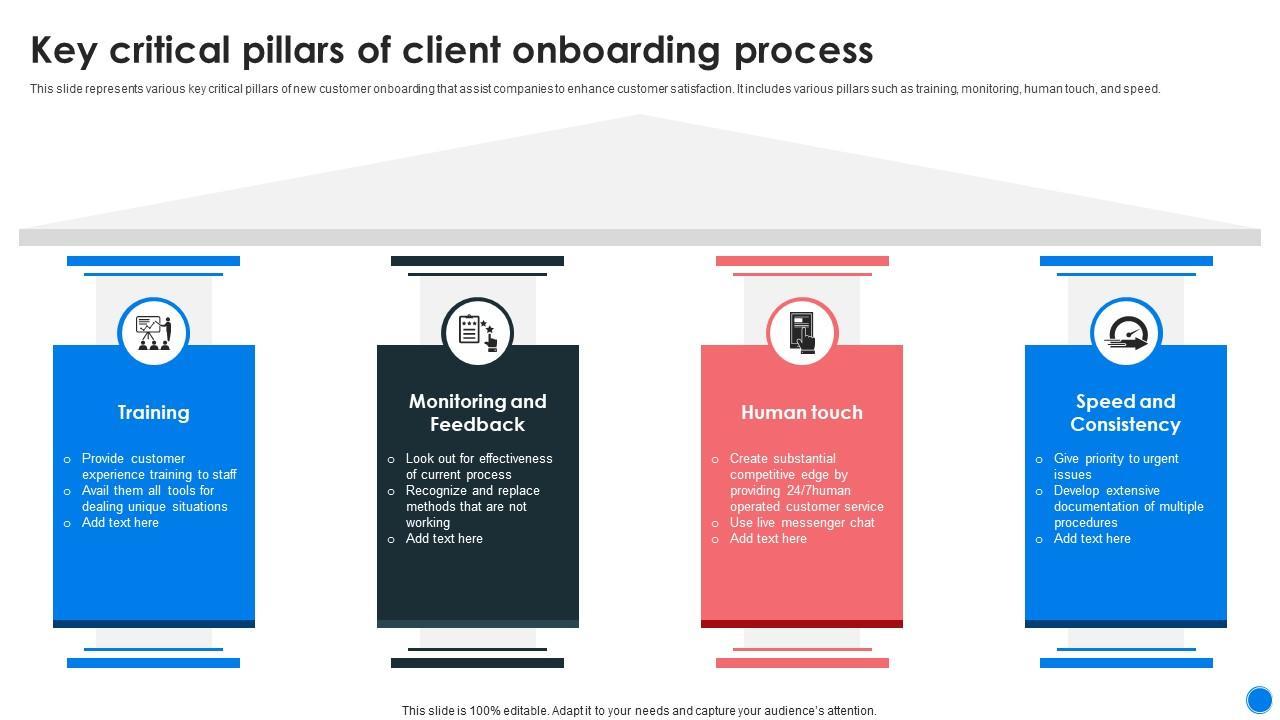
- Monitoring onboarding progress and providing regular updates to stakeholders
- Gathering client feedback and relaying it to improve the onboarding experience and product features
- Troubleshooting implementation issues and ensuring a smooth transition for end-users
Key Skills for Success as a Client Onboarding Manager in EdTech
Succeeding as a Client onboarding Manager in EdTech requires a combination of technical proficiency, interpersonal skills, and a deep understanding of the education sector. Here are the top skills employers value:
1. Interaction and Relationship-building
- Exceptional verbal and written communication skills for delivering clear guidance and updates
- Ability to build trust and rapport with educators, administrators, and IT professionals
2. Project Management
- Strong organizational abilities to manage multiple onboarding projects together
- Experience creating project timelines and meeting deadlines
3. Technical Proficiency
- Understanding of EdTech platforms, integration processes, and classroom technologies
- Ability to translate technical features into practical applications for educators
4. Training and Facilitation
- Experience designing and leading engaging training sessions (in-person or virtual)
- Adaptability to different learning styles and institutional needs
5. Problem-Solving and Troubleshooting
- Resourcefulness in addressing technical and process-related challenges during onboarding
- Proactive approach to identifying and resolving potential obstacles
6. Customer Orientation
- Strong commitment to delivering a positive client experience
- Ability to empathize with educators’ challenges and demonstrate patience
Why Pursue a Client Onboarding manager role in EdTech?
EdTech onboarding Managers play a pivotal role in transforming how educational institutions adopt and maximize technology. Here are some benefits of pursuing this career path:
- Be at the Forefront of Educational Change: Influence the adoption of innovative technologies shaping the future of learning.
- Career Growth Potential: The demand for EdTech professionals is growing rapidly as more schools invest in digital conversion.
- Job Variety: Work with diverse clients, from K-12 schools to large universities, offering a dynamic work environment.
- Make a Tangible Impact: Help educators and students succeed by ensuring seamless integration of powerful learning tools.
- Competitive compensation: Salaries for experienced EdTech client onboarding managers are highly competitive, often with attractive benefits.
- Remote and Flexible Work: Many EdTech companies offer remote or hybrid working arrangements.
career Opportunities and Progression
Client Onboarding Managers in EdTech can build fulfilling careers in various directions. Here’s how your career path might evolve:
Entry-Level Positions
- edtech Customer Support Specialist
- Implementation Coordinator
Mid-Level Roles
- EdTech Client Onboarding Manager
- Educational Implementation Specialist
- Customer Success Manager
Senior and Leadership Roles
- Senior Onboarding Manager
- Head of Client Success
- Director of Implementation
- Educational Technology Consultant
Many professionals also branch out into roles related to product management, training development, or technology integration strategy within education technology firms or directly with schools and universities.
How to Become a Client Onboarding Manager in EdTech
Starting a career as a Client Onboarding Manager in educational technology involves a blend of education, experience, and the development of both soft and technical skills. Here’s a practical roadmap:
1. Acquire Relevant Education
- A bachelor’s degree in education,data technology,buisness,or a related field is typically required.
- Advanced degrees (e.g., in Educational technology, Instructional Design, or Education Administration) enhance your prospects but aren’t always mandatory.
2. Gain professional Experience
- Begin with roles in customer support, teaching, educational administration, or technical support within educational environments.
- Seek internships or part-time opportunities with EdTech companies to understand product and client needs.
3. Build Skills Specific to EdTech
- Obtain certifications in project management (e.g., PMP, Agile/Scrum), customer success, or EdTech platforms (such as Google for Education, canvas, or Moodle).
- Stay updated with trends in digital learning,LMS platforms,and education standards.
4. Demonstrate Your Impact
- Document your experience in training, project coordination, or technology adoption.
- Collect testimonials or references from prior roles involving onboarding or implementation.
5.Optimize Your job Search
- target universities, colleges, and K-12 school districts increasingly investing in educational technology.
- Network with EdTech professionals on platforms such as LinkedIn.
- Customize your resume to highlight onboarding, training, and technology adoption experience relevant to the education sector.
Tips for Excelling as a Client Onboarding manager in Education Technology
Standing out as an exceptional EdTech onboarding manager requires going beyond the job description. Here are actionable tips to help you thrive:
- Continuously seek feedback from clients to improve processes and develop empathy.
- Be proactive: anticipate client needs and potential roadblocks before they arise.
- Develop a deep understanding of the educational challenges faced by your clients to offer tailored solutions.
- leverage data and user analytics to monitor onboarding progress and identify areas for betterment.
- Keep learning: attend EdTech webinars, obtain certifications, and stay informed about industry changes.
Conclusion: Is a Client onboarding Manager Role in EdTech right for You?
Pursuing a career as a Client Onboarding Manager in EdTech empowers you to be at the core of digital transformation in education. You’ll combine your passion for technology with a commitment to helping educators and institutions succeed. By cultivating the right skills and continuously seeking growth in this vibrant sector, you can build a rewarding, future-proof career in educational technology at universities, colleges, or schools. If you are driven by impact,enjoy navigating both technical and interpersonal challenges,and want to contribute to the evolution of modern learning,this path may be your ideal next step.
Ready to take the leap into an EdTech onboarding role? Begin honing your skills, connect with industry professionals, and aim for positions that will put you at the epicenter of educational innovation.The future of learning is digital—why not help shape it?