
Conquering Integration Hurdles: Effective Strategies for Bringing VR/AR into School Curricula
Introduction: The New Frontier of Immersive Learning
Virtual Reality (VR) and augmented Reality (AR) are revolutionizing the educational landscape, transforming how students engage with content, teachers deliver lessons, and schools foster creativity and innovation. despite their massive potential, integrating VR and AR into school curricula presents unique challenges that educational leaders and tech coordinators must overcome. This comprehensive guide explores proven strategies for conquering integration hurdles and successfully implementing VR/AR in classrooms, ensuring your school reaps the full benefits of immersive learning.
Why Integrate VR/AR into School Curricula?
Before tackling integration hurdles, let’s explore why VR/AR matters in education:
- Enhanced Engagement: Interactive 3D experiences captivate students and keep their attention.
- Deeper Understanding: Complex concepts become easier to grasp through visualization and simulation.
- Personalized Learning: VR/AR supports differentiated instruction and caters to various learning styles.
- Real-World Skills: Immersive environments foster critical thinking, collaboration, and problem-solving.
- Accessibility: Virtual field trips enable exploration of places and ideas otherwise out of reach.
common Hurdles of Integrating VR/AR in Education
While the benefits are clear, schools face several challenges in adopting VR/AR solutions:
- High Initial Investment: Cost of hardware, software, and VR devices.
- Technical Barriers: Compatibility issues, limited infrastructure, bandwidth limitations.
- Curriculum Alignment: Difficulty in integrating VR/AR content with existing educational standards.
- Lack of Training: Educators may not have the expertise or confidence to use new technology.
- Content Gaps: limited availability of age-appropriate and curriculum-relevant VR/AR resources.
- Cybersecurity & Privacy: Concerns regarding student data and online safety.
- Equity: Ensuring all students have equal access to immersive learning opportunities.
Effective Strategies for Integrating VR/AR in School Curricula
With clear planning and the right approach, these hurdles can be effectively overcome. Here are actionable strategies for seamless VR/AR integration in schools:
1. Start Small and Scale Up
- Pilot Programs: Launch VR/AR projects in a single classroom or grade level before expanding schoolwide.
- Measure Impact: Collect feedback from students and teachers to guide further investment.
2. Secure Funding and Partnerships
- Research Grants: Apply for technology grants from educational foundations or government programs.
- EdTech Partnerships: Collaborate with VR/AR vendors who may offer demo units, training, or educational pricing.
- Community Support: Engage local businesses, parent organizations, and alumni networks for sponsorship or donations.
3. Build a Robust Technology Infrastructure
- Assess Connectivity: Ensure your school’s Wi-Fi and network bandwidth can handle multiple devices.
- Regular Maintenance: Create a plan for updating and servicing VR/AR equipment.
- Device Management: Use mobile device management (MDM) tools to streamline software deployment and security.
4. Focus on Teacher Training and Professional Advancement
- hands-On Workshops: Run interactive training sessions to build comfort and skills with VR/AR technology.
- Peer Mentoring: Establish a tech leader or “VR/AR champion” in each department for ongoing support.
- Online Resources: Share webinars, tutorials, and lesson templates for continued education.
5. Align VR/AR Content with Curriculum Standards
- Choose Educational Content: Select applications and experiences directly linked to state and national standards.
- Custom Lesson design: Adapt VR/AR tools to complement existing units rather than replacing them entirely.
- Assessment Integration: Use digital assessments within VR/AR platforms to measure learning outcomes.
6. Address Equity and Accessibility
- Device Sharing: Rotate devices among classes or use group-based activities to maximize access.
- Accessible Design: Opt for content with subtitles, audio guides, and configuration for special needs learners.
- Lending Programs: Develop check-out systems so students can take VR/AR headsets home.
7. Prioritize Data Privacy and Cybersecurity
- Choose Reputable Vendors: Work with companies that comply with education data privacy laws (e.g., FERPA, COPPA).
- Set Usage Policies: Establish clear guidelines for student accounts and device use.
- Regular Audits: Monitor and review privacy and security practices routinely.
Case Study: Successful VR Implementation in Middle School Science
At Greenfield Middle School, educators piloted a VR-based science curriculum for 7th graders learning about ecosystems. With a small grant, the school acquired a classroom set of headsets and partnered with a local university for custom virtual field trip content.
- Results: Students showed a 28% increase in assessment scores compared to the previous cohort.
- teacher feedback: 92% of teachers reported higher student engagement and confidence in teaching complex topics.
- Scalability: the success led to the expansion of VR modules to biology and environmental science courses throughout the district.
Takeaway: Starting with targeted implementation and strong teacher support paves the way for schoolwide VR/AR integration.
Practical Tips from Experienced Educators
- Be patient—technology adoption takes time, and the learning curve is different for everyone.
- Encourage students to create their own VR/AR content (using platforms like CoSpaces or Tinkercad) for deeper learning.
- build a digital community (via Google Classroom or Edmodo) were teachers share VR/AR lesson plans and ideas.
- Balance screen time with hands-on,discussion,and reflection activities.
- Connect with other schools leveraging VR/AR through online forums or local EdTech networks.
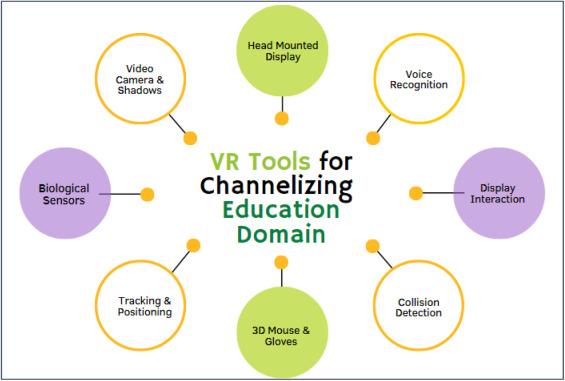
Top Recommended VR/AR Tools for Schools
- Google Expeditions: Offers virtual field trips and AR exploration experiences across subjects.
- Merge Cube: Affordable, hands-on AR learning with interactive 3D objects.
- ClassVR: All-in-one solution with a library of curriculum-aligned VR content.
- Zspace: Combines AR/VR and holographic displays for science and STEM labs.
- Nearpod VR: Integrates immersive content with formative assessments and live teaching tools.
Conclusion: Transforming Classrooms with Immersive Technology
Bringing VR and AR into school curricula is an ongoing journey—one that requires thoughtful planning, collaboration, and persistence. By understanding the challenges, leveraging available resources, and embracing continuous learning, educators can unlock the transformative power of immersive technology. The result? Classrooms that inspire, engage, and prepare students for the future of work and lifelong curiosity.
ready to take the next step? Start small,seek support,and watch as immersive learning revolutionizes your school’s educational experience.