
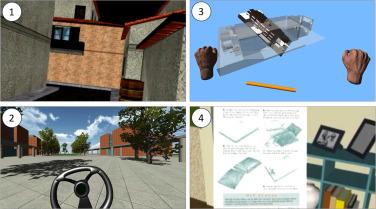
Conquering Obstacles: Effective Strategies for Integrating VR/AR into School Curricula
Augmented Reality (AR) and Virtual Reality (VR) are fast becoming game-changers in educational technology. Their potential to transform classrooms into engaging, immersive environments is immense—but so are the challenges associated with their adoption.This complete guide explores the obstacles to integrating VR and AR into school curricula and provides actionable strategies, insightful case studies, and practical tips for educators ready to embrace the future of learning.
Why Integrate VR/AR into School Curricula?
- Immersive Learning: VR/AR create deeply engaging learning experiences that boost retention and comprehension.
- Personalized Learning Paths: Students interact with content at their own pace, catering to diverse learning styles.
- Safe Experimentation: Explore hazardous or expensive scenarios in a virtual environment, allowing risk-free experimentation.
- Global Accessibility: Virtual field trips make inaccessible places—like ancient Rome or the inside of a human cell—instantly reachable.
- STEM Skill Enhancement: Hands-on simulations promote critical thinking and problem-solving across STEM subjects.
Major Obstacles to VR/AR Integration in Education
Despite their promise, introducing AR and VR into existing school curricula presents several hurdles, including:
- High Initial Investment: Equipment and software costs can be prohibitive, particularly for underfunded districts.
- Infrastructure Limitations: Many schools lack the required Wi-Fi bandwidth, storage, or modern hardware.
- Curriculum Alignment: adapting existing curricula or creating new lesson plans for VR/AR takes critically important time and expertise.
- Teacher Training: Educators need structured training and ongoing support to feel confident with new technologies.
- Content Availability: A lack of relevant, high-quality AR/VR content aligned to learning standards can stall adoption.
- Equity and Accessibility: Ensuring all students, including those with disabilities, have equitable access to VR/AR experiences.
Effective Strategies for Integrating VR/AR in school Curricula
To successfully navigate the integration of VR/AR into education,schools can lean on these well-proven strategies:
1.Start Small with Pilot Programs
- Identify a subject or grade level most likely to benefit from immersive technology.
- Deploy a limited set of VR/AR experiences to collect data, feedback, and adjust implementation plans.
- Showcase pilot outcomes to secure wider buy-in and future funding.
2. Leverage Funding and Grants
- Apply for EdTech grants at state and federal levels or approach local tech companies for partnerships.
- Consider collaborative funding models between schools in the same district to share costs.
3. Professional Development for Teachers
- Offer workshops and hands-on training focused on integrating AR/VR across different subjects.
- connect teachers with online communities and resources to foster peer learning and ongoing support.
- Recognize and reward teacher innovators who successfully incorporate immersive technology in learning.
4.Develop Curriculum-Aligned Content
- Work with curriculum designers and AR/VR developers to produce standards-based content.
- Adopt modular AR/VR activities that fit within existing lesson plans, making transition smoother for educators.
- Encourage student creation of AR/VR projects to increase engagement and relevance.
5. Focus on Accessibility and Inclusion
- Choose AR/VR solutions with robust accessibility features, such as subtitles or haptic feedback.
- Ensure headsets and software are adaptable for students with physical or sensory disabilities.
- Promote equity through a device-sharing schedule or utilizing smartphone-based AR experiences where possible.
Case Studies: Schools Leading the Way in VR/AR Adoption
Case Study 1: Engaging STEM Learning at Franklin middle School
Franklin Middle School in Illinois introduced VR modules in science and math classes,focusing on space exploration and molecular structures. Teachers reported a 32% increase in student engagement and higher test scores in the pilot classrooms. The school partnered with local EdTech firms to develop curriculum-aligned content and trained staff through a series of hands-on workshops.
Case Study 2: Virtual Field Trips at Pine Grove Elementary
Pine Grove Elementary utilized AR-enabled tablets to take students on virtual museum tours and nature expeditions.Teachers found that students who struggled with reading comprehension benefited considerably from visual, interactive AR lessons. By incorporating feedback and gradually expanding the program, the school achieved near-universal participation and remarkable gains in student enthusiasm.
First-Hand experience: Insights from Educators
“AR doesn’t replace good teaching, it amplifies it. When my students put on a headset and explore the inside of a volcano, they ask deeper questions and retain information longer.” — Emily Clark, 6th Grade Science teacher
“The learning curve was steep at first, but collaborating with colleagues and accessing online AR/VR resources made all the difference. Now my students look forward to every session.” — David Martinez, High School Social Studies Instructor
Practical Tips for Teachers and Administrators
- Pilot with Purpose: Select programs with defined goals and measurable outcomes to demonstrate impact.
- Curriculum Fit: Align VR/AR modules with standards to integrate them seamlessly into existing lessons.
- Foster Collaboration: Encourage cross-disciplinary projects and involve parents and the community for broader support.
- Keep Content Fresh: Review and update digital resources regularly to maintain student engagement and relevance.
- Ensure Safety and Privacy: Integrate safety protocols and respect student privacy when using digital tools.
- Celebrate Success: Document and share prosperous stories to motivate staff and attract additional funding opportunities.
The Future of VR/AR in Education
Educational technology is always evolving, and AR/VR will become more accessible and affordable with time. As content libraries expand and teacher familiarity grows, immersive technology will move from experimental to essential for 21st-century learning. Integrating VR/AR now prepares students for a technology-rich future and bridges the gap between customary instruction and the digital world.
Conclusion
Integrating VR/AR into school curricula is a transformative step towards more engaging, inclusive, and effective education.While obstacles exist—ranging from funding to training—schools can overcome these barriers with strategic planning, educator empowerment, and community engagement. By starting small, leveraging resources, and fostering a culture of innovation, educators can unlock the full potential of immersive technologies and prepare students for a dynamic future. The path forward is challenging,but the rewards are immeasurable. Embrace the journey and join the movement towards a smarter, more interactive classroom environment.