
Courseware Developer: Key Skills, Career Path, and Job Opportunities Explained
Are you passionate about education and technology? Do you want to help shape how students learn in schools, colleges, and universities? If so, a career as a Courseware Developer may be the perfect fit for you. In today’s digital education landscape, Courseware Developers play a pivotal role in creating engaging, effective learning experiences. This comprehensive guide covers the key skills required, typical career path, job opportunities, benefits, and practical tips for aspiring Courseware Developers in the education technology sector.
What is a Courseware Developer?
A Courseware Developer, sometimes referred to as an instructional content developer or educational content designer, is a specialist in designing, developing, and refining digital learning materials. These professionals blend pedagogical expertise with technical know-how to create engaging, interactive, and accessible online courses and learning modules used by schools, colleges, and universities.
The demand for skilled Courseware Developers has grown significantly in recent years thanks to the expansion of EdTech (education technology), online learning, and blended learning environments.
Core Responsibilities of a Courseware Developer
- Designing and developing digital courses and interactive learning resources
- Collaborating with subject matter experts (SMEs) and instructors
- Adapting instructional content for diverse learning modalities and devices
- Using Learning Management Systems (LMS) such as Moodle, Blackboard, or canvas
- Integrating multimedia elements like videos, animations, and quizzes
- Ensuring accessibility and usability standards are met
- Testing, revising, and updating courseware based on feedback
- Evaluating the effectiveness of courseware through learner data and analytics
Key Skills Required for Success as a Courseware developer
to thrive as a Courseware Developer in the education technology sector, you’ll need a combination of technical, pedagogical, and interpersonal skills. Here are the most important competencies to cultivate:
1. Instructional Design Skills
- Understanding of adult learning theories and teaching methodologies
- Ability to structure content logically and progressively
- Experience in curriculum design and assessment strategies
2. Technical Proficiency
- Familiarity with authoring tools (e.g., Articulate Storyline, Adobe Captivate, Lectora)
- Basic HTML, CSS, and occasionally JavaScript skills
- Experience using Learning Management Systems (LMS)
- Knowledge of multimedia creation (audio/video editing, graphic design)
3. Collaboration and Communication
- Ability to work closely with subject matter experts,instructors,and stakeholders
- Clear written and verbal communication for effective requirement gathering and feedback
4. Project Management Abilities
- Time management and organizational skills
- Experience working on multiple projects concurrently
- Familiarity with agile or othre project management methodologies is a plus
5. Creativity and Problem-Solving
- Innovative approach to making learning interactive and engaging
- Ability to troubleshoot technical challenges quickly
Educational Requirements and Recommended Background
While the pathways to becoming a Courseware Developer can vary, having a background in education, instructional design, instructional technology, computer science, or a related field provides a strong foundation. Most employers seek candidates with:
- Bachelor’s degree in Education, Instructional Design, educational Technology, or Computer Science (Master’s is often preferred for higher-level positions)
- Teaching experience or understanding of classroom dynamics is advantageous
- Certifications in instructional design or relevant technology platforms can provide an edge
Typical Career Path for Courseware Developers
The career path for Courseware Developers in schools, colleges, and universities is both rewarding and dynamic. Here’s how you might advance in this field:
- Entry-Level Roles: Junior Courseware Developer, Instructional Assistant, Multimedia Specialist
- Mid-level Positions: Courseware Developer, eLearning Developer, instructional Designer
- Senior Roles: Senior Courseware Developer, Learning Experience Designer, Project Manager
- Leadership/Executive Roles: Director of Educational Technology, Chief Learning Officer (CLO), Head of Curriculum advancement
With experience, Courseware Developers can transition into related areas such as edtech product management, educational content strategy, or even consulting.
Job Opportunities in EdTech for Courseware Developers
There are a wealth of job opportunities for Courseware Developers at educational institutions and beyond. Common employers include:
- Universities and colleges (in their distance learning or online education departments)
- K-12 schools specializing in blended or digital classrooms
- EdTech companies developing content for academic institutions
- Research institutions and continuing education centers
- Corporate training departments (for those interested in transitioning to the private sector)
Whether you’re interested in working in a university setting, joining a cutting-edge educational technology company, or freelancing as a content creator, demand for skilled Courseware Developers continues to rise.
Benefits of Becoming a Courseware Developer
- Be at the forefront of educational innovation
- enjoy a diverse and intellectually stimulating workload
- Contribute to improved learning outcomes for students
- Work flexibly, with increasing opportunities for remote or hybrid roles
- Competitive compensation, especially as you advance in your career
- Continuous professional growth due to evolving technologies and techniques
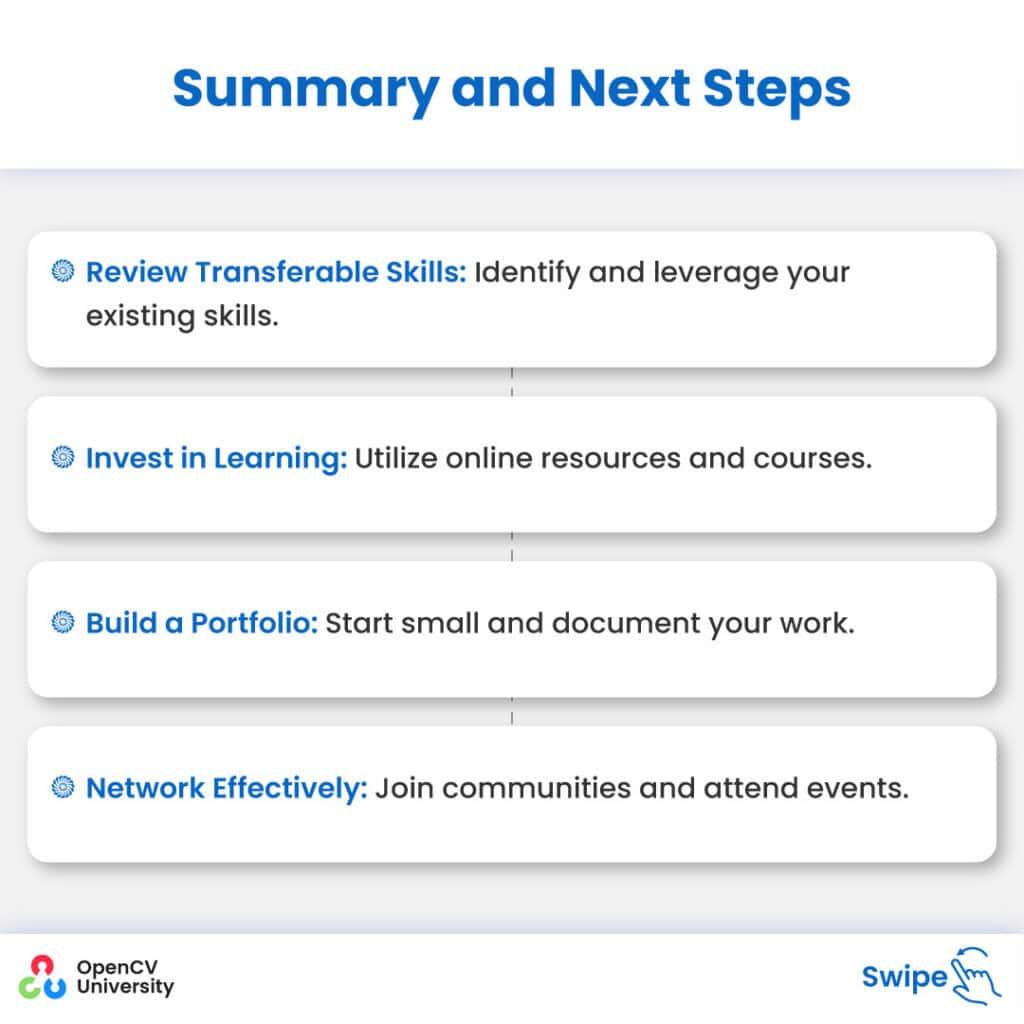
Practical Tips for Aspiring Courseware Developers
-
Build a Strong Portfolio:
- Showcase samples of interactive eLearning modules, storyboards, and course prototypes
- Include a variety of subjects or instructional approaches
-
Stay up-to-Date with EdTech Trends:
- Explore new tools, gamification methods, and emerging learning platforms
- Attend professional development workshops or online courses
-
Network with Other professionals:
- Join education technology associations and online communities
- Attend edtech conferences or university events to meet potential employers
-
Gain Hands-On experience:
- Volunteer to help develop digital learning materials at local schools or colleges
- Work on freelance projects to expand your real-world skills
-
Highlight Soft Skills:
- Showcase your teamwork, adaptability, and creative problem-solving abilities in your resume and interviews
Conclusion: Is a Career as a Courseware Developer Right for You?
The demand for Courseware Developers in education technology is growing, and so are the opportunities to make a meaningful impact on student learning in schools, colleges, and universities. If you are passionate about education,possess strong technical and instructional design skills,and embrace lifelong learning,this could be your chance to build a rewarding and forward-looking career. With the right blend of education, practical experience, and ongoing professional development, you’ll be well-equipped to thrive in this exciting and meaningful field.
Ready to take the first step? Explore current job openings, start building your portfolio, and become part of the new wave of educational innovation as a skilled Courseware Developer!