
Courseware Developer: Key Skills, Responsibilities, and Career Path Explained
If you’re passionate about education and technology, a career as a Courseware developer at a university, college, or school could be your gateway to making a meaningful impact in the world of learning. As institutions increasingly rely on digital platforms,the role of a courseware developer continues to grow in importance and relevance. In this comprehensive guide, we’ll walk you through the essential skills, daily responsibilities, benefits, and career progression pathways in the exciting field of education technology (EdTech).
What is a Courseware Developer?
A courseware Developer is an educational technology professional who designs, develops, and maintains digital learning materials. These experts work alongside faculty, instructional designers, and technologists to create engaging, effective, and accessible e-learning content for students. their work supports blended and online learning experiences at all educational levels, from K-12 to higher education.
Key Responsibilities of a Courseware Developer
Understanding the core tasks handled by courseware developers can provide clarity for job seekers interested in this EdTech career path.Here are the primary roles and responsibilities:
- Content Creation: Designing instructional materials, such as digital textbooks, presentations, multimedia, interactive activities, and assessments.
- eLearning Development: Using authoring tools like Articulate Storyline, Adobe Captivate, or H5P to create engaging online modules and courses.
- Collaboration: Working with subject matter experts, instructional designers, faculty, and multimedia specialists to ensure course accuracy and quality.
- Learning Management System (LMS) Integration: Uploading,managing,and updating course content in platforms such as Canvas,Moodle,blackboard,or Google Classroom.
- Quality Assurance: Testing all courseware for usability, accessibility, and technical functionality before release.
- Continuous Advancement: Reviewing student feedback and analytics to refine and enhance existing courses based on data-driven insights.
- Documentation: Maintaining clear records and guides for both instructors and students on how to effectively use newly developed courseware.
Essential Skills for Success as a Courseware Developer
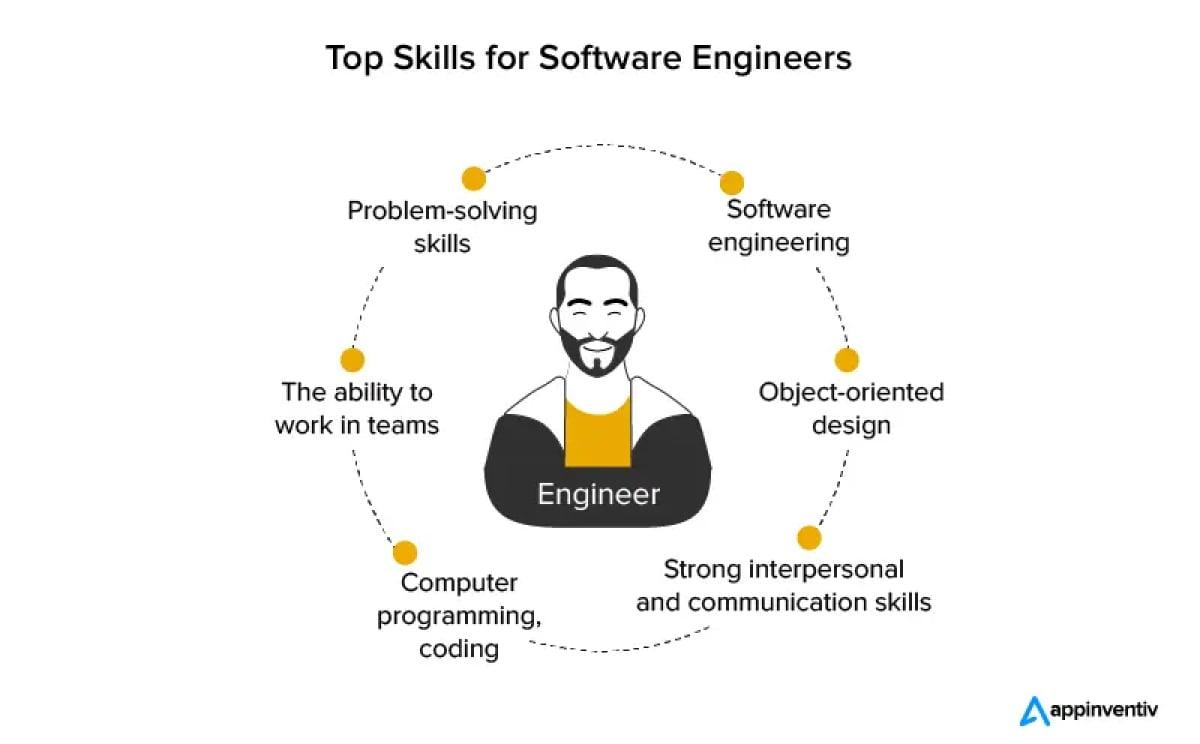
A successful career as a courseware developer requires a diverse skill set that merges educational best practices with technical proficiency and creativity. The following skills are most sought-after by universities, colleges, and schools seeking to hire outstanding courseware developers:
Technical Skills
- Instructional Design: Knowledge of learning theories, course mapping, and curriculum design frameworks (such as ADDIE or SAM).
- Authoring Tools Proficiency: Mastery of popular eLearning development platforms (Articulate Storyline, Adobe Captivate, Camtasia, Lectora, H5P).
- LMS Experience: Hands-on experience with Learning Management Systems like canvas, Moodle, Blackboard, or D2L Brightspace.
- Multimedia Development: Skills in video editing, audio recording, and basic graphic design to create engaging learning assets.
- Web Development basics: Familiarity with HTML, CSS, and sometimes JavaScript for custom interactivity and troubleshooting.
- Accessibility Compliance: Understanding of standards such as WCAG to ensure digital content is accessible to all learners.
Soft Skills
- Communication: Ability to clearly articulate ideas and work effectively within interdisciplinary teams.
- Project Management: Organization and time management skills to juggle multiple projects and deadlines.
- Problem-Solving: Creative approach to addressing technical challenges and pedagogical needs.
- Attention to Detail: Ensuring accuracy and quality throughout the development process.
- Adaptability: willingness to learn new tools,stay updated with EdTech trends,and swiftly respond to feedback or changes.
Typical Background and Education Requirements
Most educational institutions prefer candidates with a background in education, instructional technology, or a related discipline. Typical requirements include:
- Bachelor’s degree in education, instructional design, educational technology, computer science, or similar fields.
- advanced degrees (e.g.,master’s in instructional design or educational technology) may be required for senior or specialized roles.
- Certifications in eLearning or EdTech tools (such as ATD, adobe Certified Professional, or specific LMS training) can be highly beneficial.
- Demonstrated portfolio of past courseware development projects or sample work.
Benefits of Working as a Courseware Developer in Education Technology
Pursuing a job as a courseware developer offers several professional and personal rewards, making it an attractive path for educators and tech enthusiasts alike. Some key benefits include:
- Meaningful Impact: Directly contribute to improved teaching and learning outcomes for students and educators.
- Growing Job Market: As online and blended learning become mainstream, demand for skilled courseware developers continues to climb.
- creative Fulfillment: Every project offers an opportunity to experiment with interactive media, storytelling, and engagement techniques.
- Remote and Flexible Work: Many education institutions offer flexible/hybrid work arrangements for EdTech teams.
- Continuous Learning: Stay at the forefront of digital learning innovation and educational research.
- Career Mobility: Gain versatile technical and pedagogical skills that open doors to roles in corporate training, curriculum design, and educational consulting.
Career Path and Advancement Opportunities
Courseware Developers can chart a dynamic and varied career journey within education technology.Here’s an outline of possible progression pathways:
- Entry-Level: Junior courseware developer, eLearning support specialist, or EdTech assistant, focusing on content updates and basic module development.
- Mid-Level: Courseware developer or eLearning designer, leading course creation, mentoring junior team members, and collaborating widely across departments.
- Senior-Level: Senior courseware developer, instructional technologist, or team lead, responsible for overseeing complex projects and implementing innovative technologies.
- Specialization: Opportunities to specialize in accessibility, mobile learning, gamification, or immersive technologies (AR/VR for education).
- Leadership: Advancing to EdTech manager, instructional design director, or Chief Learning Officer roles within educational institutions.
- Consulting & Freelancing: Many experienced professionals transition to roles as autonomous eLearning consultants or entrepreneurs, serving multiple clients across education and corporate sectors.
Practical Tips for Job Seekers Entering Courseware Development
Breaking into the field of courseware development in education technology can seem daunting, but with the right preparation and strategy, you can position yourself as a strong candidate:
- Build a Diverse Portfolio: showcase your expertise through a well-organized portfolio featuring sample modules, multimedia assets, and case studies.
- Get Certified: Consider obtaining relevant certifications in instructional design, eLearning tools, or accessibility standards.
- Stay Updated with EdTech trends: Continuously research new technologies, pedagogical approaches, and learning sciences.
- Network with Peers: Join EdTech communities, attend webinars, and connect with other professionals to expand your career opportunities.
- Emphasize Soft Skills: Highlight your communication, project management, and teamwork abilities alongside your technical know-how in your CV and interviews.
- Gain Practical Experience: Look for internships, volunteer opportunities, or freelance gigs that involve real-world courseware creation.
Conclusion
The role of a courseware developer is at the intersection of education and technology, making it vital for the future of digital learning in universities, colleges, and schools. With a strong blend of instructional design, technical, and collaborative skills, you can thrive in this innovative and rewarding field.Whether you’re just starting your journey or seeking advancement in EdTech, building the right skill set and professional network is key to success. as online learning continues to evolve, skilled courseware developers will be in ever-increasing demand—so now is a great time to pursue this impactful and future-focused career.