
Courseware developer: Key Skills, Role, and Career Path Explained
The world of education is transforming rapidly, driven by advancements in technology and the growing need for dynamic learning experiences.At the heart of this evolution is the Courseware Developer—a visionary professional dedicated to designing,developing,and optimizing instructional materials for universities,colleges,and schools.If you are eager to combine a passion for education with your tech-savvy skills, becoming a Courseware Developer in education technology could be your perfect career path.
What Is a Courseware Developer?
A Courseware Developer specializes in creating educational content and interactive course materials, often referred to as courseware, for digital learning platforms. Thes professionals collaborate with subject matter experts, instructional designers, and educators to develop engaging and effective e-learning modules that enable better student outcomes.
In academic institutions like universities, colleges, and schools, Courseware Developers play a critical role in shaping the way knowledge is delivered and consumed, ensuring accessibility, interactivity, and alignment with curriculum standards.
Key Responsibilities of a Courseware Developer
The daily tasks of a Courseware Developer revolve around leveraging technology to enhance educational delivery. Here’s a breakdown of common responsibilities:
- Designing Digital learning Content: Develop lesson modules, multimedia presentations, assessments, simulations, and interactive activities.
- Collaboration: Work closely with educators,subject matter experts,and instructional designers to translate academic concepts into engaging digital assets.
- Using Authoring Tools: Utilize software such as Articulate Storyline, Adobe Captivate, and Learning Management Systems (LMS) like Moodle or Canvas.
- Quality Assurance: Test and debug course materials to ensure accessibility, functionality, and compliance with educational standards.
- Continuous Enhancement: Gather feedback and analyze learner data to refine and upgrade existing courseware.
- Adhering to Accessibility Standards: Ensure all digital materials meet accessibility guidelines (such as WCAG) for diverse learners.
- Staying Updated: Keep abreast of the latest trends in education technology, instructional design, and e-learning best practices.
Essential Skills for Courseware Developers
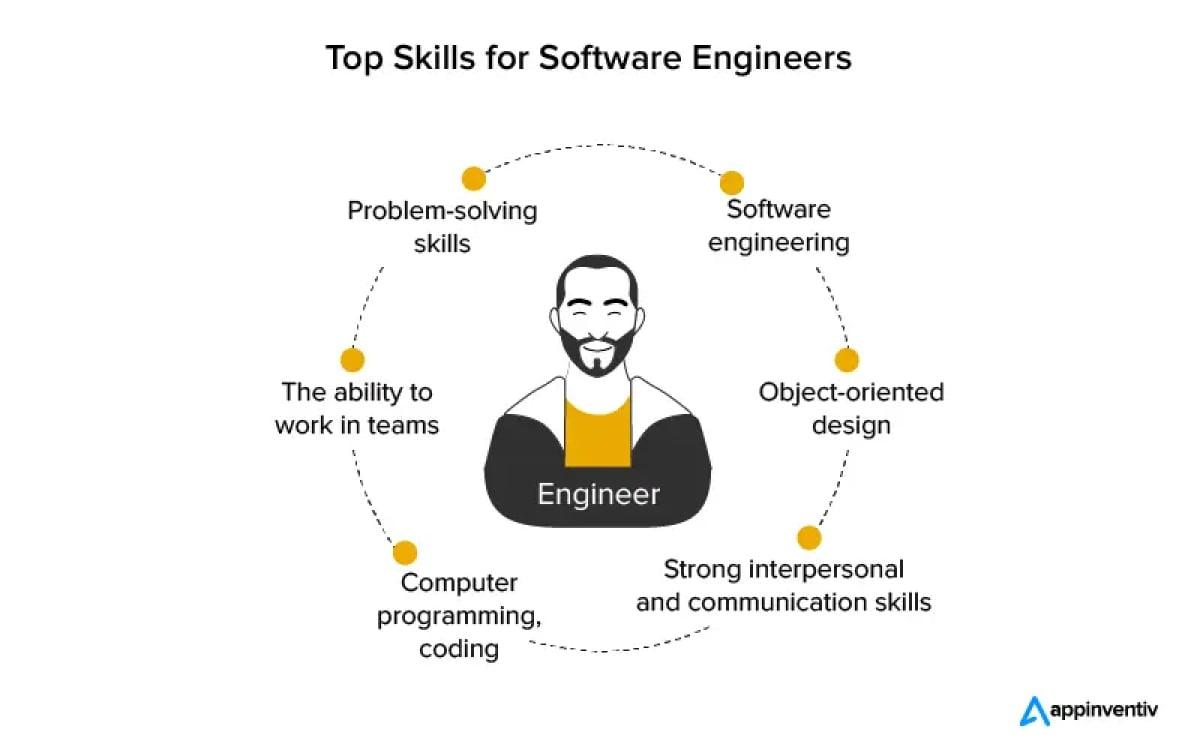
To succeed as a Courseware Developer in educational institutions, you will need a blend of technical, creative, and interpersonal skills. Here are the most sought-after competencies:
- Instructional Design Knowledge: Understanding learning theories, pedagogical strategies, and curriculum design is essential for creating effective learning experiences.
- Technical Proficiency: Familiarity with e-learning authoring tools, HTML/CSS, graphic design software, video/audio editing, and LMS platforms.
- Project Management: Ability to handle multiple projects, meet deadlines, and coordinate with diverse teams.
- Creativity: A knack for presenting complex subjects in engaging, interactive, and visually appealing ways.
- Problem-Solving: resourcefulness in overcoming technical challenges and optimizing user experience.
- Dialogue Skills: Effectively communicate ideas and feedback with stakeholders, including educators and IT staff.
- Attention to Detail: Ensuring high standards in content accuracy, functionality, and compliance.
How to Become a Courseware Developer
Embarking on a career as a courseware Developer requires a mix of education, practical experience, and a proactive attitude toward continual learning. Here’s a roadmap to get started:
- Earn a Relevant Degree: Most employers seek candidates with a bachelor’s or master’s degree in education technology, instructional design, computer science, or a related field.
- Build a Portfolio: Develop sample courseware projects or volunteer to create learning modules for educational organizations. Showcase your work on an online portfolio.
- Gain Hands-On Experience: Consider internships, contract roles, or part-time jobs in e-learning development or instructional design.
- Learn Industry Tools: Master popular authoring tools, LMS platforms, and graphic/multimedia software.
- Stay Current: Participate in webinars, workshops, and online courses to stay updated on technology trends and best practices in digital education.
Career Path and Growth Opportunities
As a courseware Developer, you will find a growing demand in academic institutions and education technology companies. Career progression often looks like this:
- Entry-Level: Junior Courseware Developer, E-learning Specialist, Educational Content developer.
- Mid-Level: Senior Courseware Developer, Instructional Designer, Curriculum Developer.
- Advanced Roles: Lead Courseware Developer,E-learning manager,Director of Digital Learning.
With experience, professionals can also branch into related fields such as educational technology consulting, training, or digital content strategy.
Benefits of Working as a Courseware Developer in Education Technology
A career as a courseware Developer offers numerous rewards, both professional and personal. Here are some benefits:
- Impactful Work: Directly contribute to shaping the educational experiences of countless learners.
- Job Security: As online and blended learning continue to expand, the demand for skilled courseware developers is robust and rising.
- Professional Growth: Opportunities to upskill and advance into leadership or specialized roles in education technology.
- Creative Satisfaction: Blend technical and creative talents while building innovative learning solutions.
- Adaptability: Many positions offer options for remote or hybrid work, promoting work-life balance.
Practical Tips for Aspiring Courseware Developers
Breaking into education technology as a Courseware Developer is competitive but incredibly rewarding. Here are some practical tips to help you succeed:
- Network with Professionals: Join education technology forums, attend conferences, and connect with instructional designers via social media or professional groups.
- Stay Tech-Savvy: Regularly explore new tools and platforms—many education technology software offer free trials for learners and professionals.
- Focus on Accessibility: Be proactive in designing inclusive courseware that serves all learners,including those with disabilities.
- Gather Feedback: seek critique from educators and learners; continuously refine your courseware based on real-world usage.
- Document Your Achievements: Highlight metrics such as improved student engagement or learning outcomes in your resume and portfolio.
Job Outlook and Future Trends
The demand for qualified Courseware Developers is projected to rise as universities, colleges, and schools implement more blended and online learning options. Emerging technologies—such as AI-driven personalization, gamification, and immersive digital experiences—will further expand the possibilities and expectations for this role.
Adapting to innovations, upskilling regularly, and developing strong cross-functional collaboration skills will make you a sought-after talent in this dynamic field.
Conclusion
The role of a courseware Developer is essential in modern education, combining expertise in instructional design, technology, and creativity to deliver effective digital learning experiences. With the right skills, credentials, and passion, you can embark on a fulfilling career path that contributes meaningfully to the future of education. Whether you aim to work in a university, college, or school setting, the opportunities for impact and growth in education technology have never been greater.