
Courseware Developer: Key Skills,Roles,and Career Path Insights
Introduction: Understanding teh Role of a Courseware Developer
In the digital age,education technology (EdTech) is revolutionizing how educational content is created and delivered. Universities, colleges, and schools increasingly rely on skilled professionals to design engaging digital materials. Among these professionals, Courseware Developers stand out as key players who bridge the gap between subject matter, pedagogy, and digital platforms.If you are seeking a career in EdTech, understanding what it takes to become a successful Courseware Developer can help shape your professional journey. This extensive guide will walk you through the essential skills, primary responsibilities, career benefits, and practical tips to landing a courseware developer job in academic settings.
What is a Courseware Developer?
A Courseware Developer is an educational technology specialist responsible for designing, developing, and maintaining digital learning materials—ofen called “courseware”—that support both students and instructors. Unlike conventional instructional designers, courseware developers typically focus on the technical construction and creative adaptation of course contents, working closely wiht faculty, instructional designers, multimedia specialists, and IT teams.
- Work can span online courses, e-learning modules, educational apps, and interactive simulations.
- Positions are available in higher education (universities and colleges), K-12 schools, e-learning companies, and EdTech startups.
- Roles may include curriculum digitization, learning experience design, and integrating emerging technology into traditional coursework.
Key Skills Required for Courseware Developers
Excelling as a Courseware Developer in universities or schools requires a unique blend of technical, creative, and instructional skills. Here are the primary skills and qualifications employers look for:
Technical Skills
- Learning Management Systems (LMS): Experience with platforms like Moodle, Blackboard, Canvas, or Brightspace.
- Authoring Tools: Proficiency in Storyline, Captivate, Articulate, or similar software for building interactive content.
- Web Development Basics: Familiarity with HTML, CSS, and JavaScript for embedding and customizing digital assets.
- Multimedia Production: Skills in video editing, audio enhancement, and graphic design software (e.g., Photoshop, Camtasia).
Pedagogical and Analytical Skills
- Instructional Design: Understanding of learning theories, curriculum development, and assessment methods.
- Accessibility Standards: Knowledge of WCAG, 508 Compliance, and creating universally accessible materials.
- Data Analysis: Ability to evaluate learner engagement and outcomes using analytics tools.
Soft Skills
- Collaboration: agreeable working with cross-functional teams, including educators, IT staff, and project managers.
- Problem Solving: Quick to troubleshoot technical setbacks and adapt to new educational technologies.
- Communication: Excellent verbal and written skills for explaining complex concepts and client requirements.
Core Responsibilities of a Courseware Developer
When working in academic environments, the main duties of a Courseware Developer frequently enough include:
- Designing engaging online modules and digital activities aligned with curriculum standards.
- Developing assessments, quizzes, and interactive simulations to reinforce learning.
- Integrating multimedia components such as video lectures, podcasts, and infographics.
- Collaborating with faculty to digitize existing course content for blended and online learning formats.
- Testing courseware for quality assurance, usability, and accessibility compliance.
- updating and maintaining course content based on learner feedback and emerging best practices.
- Providing technical support to instructors and learners as needed.
in universities and colleges, additional tasks may include project management, training faculty in EdTech tools, or supporting research-driven digital initiatives.
Career path and Advancement Opportunities
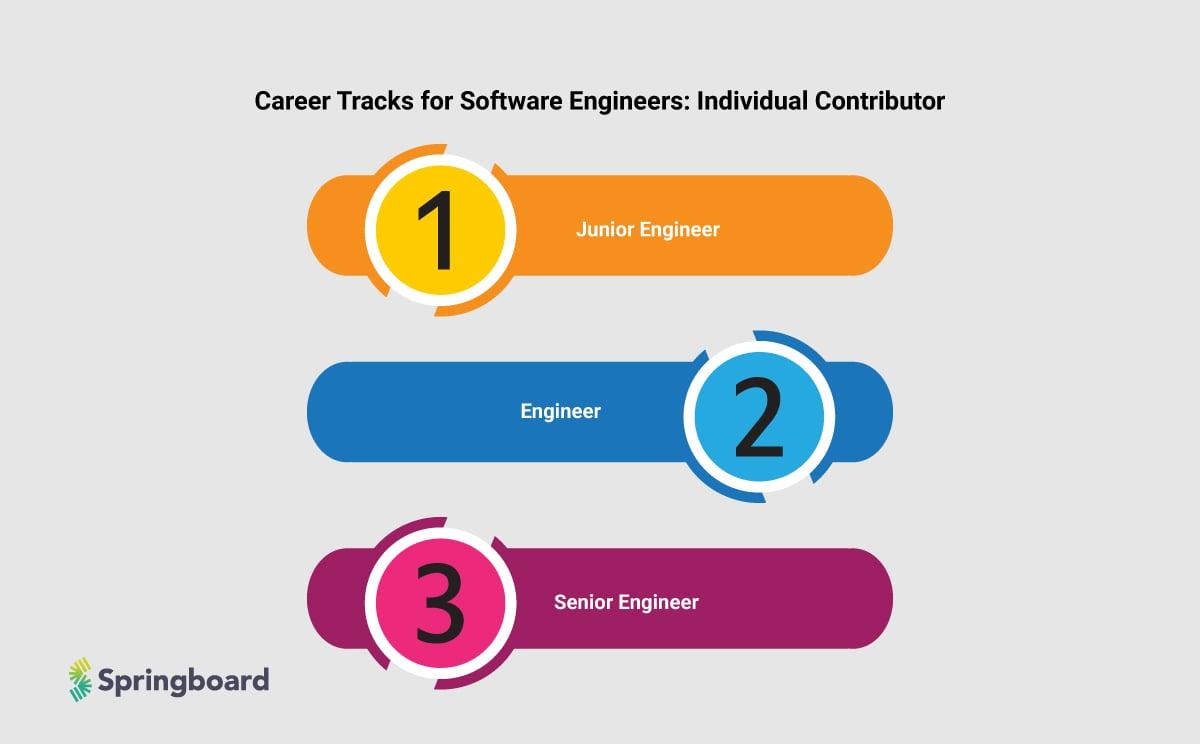
the career path for a Courseware Developer in education technology is both flexible and promising. many professionals enter with a background in education, instructional design, computer science, or multimedia arts. Here’s a typical pathway:
- Entry-level: Junior Courseware Developer, E-learning Specialist, or Instructional Technologist.
- Mid-level: Courseware Developer,Senior Instructional Designer,or EdTech Project Lead.
- Senior-level: Director of Course Development, Instructional Technology Manager, or Chief Learning Officer.
Courseware Developers may also specialize in niche areas such as adaptive learning, gamification, or mobile learning. Advancement is fueled by ongoing professional development, earning additional certifications, and staying updated on EdTech trends.
Benefits of a Courseware Developer Career in Education Technology
- High Demand: As educational institutions accelerate digital change, demand for skilled courseware developers continues to rise.
- Impactful Work: Play a pivotal role in shaping the digital learning experiences of students and educators worldwide.
- Professional Growth: opportunities to work with innovative technology and participate in cutting-edge educational research.
- Remote and Flexible Options: Many courseware development roles offer work-from-home opportunities and flexible hours.
- Competitive Salaries: Competitive pay, especially in higher education and large EdTech organizations.
practical Tips for Landing a Courseware Developer Job
-
Build a Strong Portfolio:
- Showcase a variety of e-learning modules, digital lessons, or interactive exercises you’ve developed.
- Include before-and-after examples of content you have digitized or redesigned.
-
Acquire Relevant Certifications:
- Consider certifications in instructional design, e-learning authoring, or accessibility standards (such as ATD, ISTE, or Adobe Captivate certifications).
-
Stay Updated on Trends:
- Follow EdTech news, MOOCs, and webinars to remain educated about new tools and best practices.
-
Network with EdTech Professionals:
- Engage with online communities, attend conferences, and participate in university or school workshops.
-
Craft a Tailored Resume and Cover Letter:
- highlight your technical skills, instructional design experience, and successful project outcomes.
- Use relevant keywords such as “courseware development,” “educational technology,” and “learning management systems.”
-
Demonstrate Soft Skills:
- Provide examples of collaboration, communication, and creativity during interviews.
conclusion: Launching Your Courseware Developer Career
Becoming a Courseware Developer in education technology offers a richly rewarding career at the forefront of learning innovation. With the right blend of technical expertise, pedagogical understanding, and creative flair, you can make a profound impact in universities, colleges, or schools. Whether you’re transitioning from teaching, IT, or design, the role promises growth, versatility, and the satisfaction of improving education for learners everywhere.Invest in building your skills, network actively, and remain passionate about the power of digital learning. Your journey as an EdTech courseware developer can start today—unlocking not just new professional horizons, but shaping the future of education itself.