
Crafting Engaging Microlearning Modules: Essential Tips for Effective Design
Microlearning has become a groundbreaking strategy in modern training and education,especially as remote learning and digital upskilling take center stage. When designed correctly, microlearning modules captivate learners, boost retention, and maximize training ROI. in this thorough guide, you’ll learn the benefits of microlearning, explore real-world examples, and discover actionable tips to craft highly engaging and effective microlearning content.
What is Microlearning?
Microlearning is an instructional approach that breaks down complex facts into bite-sized, focused learning units—often lasting just 3 to 7 minutes. These modules are designed for speedy consumption and are perfect for employees on the go or learners with limited time.Whether deployed via mobile devices, desktop systems, or learning management systems (LMS), microlearning supports flexible, just-in-time education experiences.
Benefits of Microlearning in training and Development
Embracing microlearning in e-learning and corporate training brings several compelling advantages:
- Enhanced engagement: Short, focused content minimizes cognitive overload and keeps learners attentive.
- Improved knowledge retention: Bite-sized modules encourage repetition and spaced learning, leading to better retention.
- Flexibility and accessibility: Mobile-friendly microlearning modules empower learners to train anytime, anywhere.
- Cost-effectiveness: Microlearning reduces development time and cost compared to conventional courses.
- Personalized learning paths: Modular design allows learners to choose topics most relevant to their needs.
Essential Tips for Designing Engaging Microlearning Modules
To ensure your microlearning content delivers results, follow these proven strategies:
1. Define Clear Learning Objectives
- Start with specific, measurable outcomes for each module.
- Address one key learning concept at a time to maintain focus.
2. Embrace Visual Storytelling
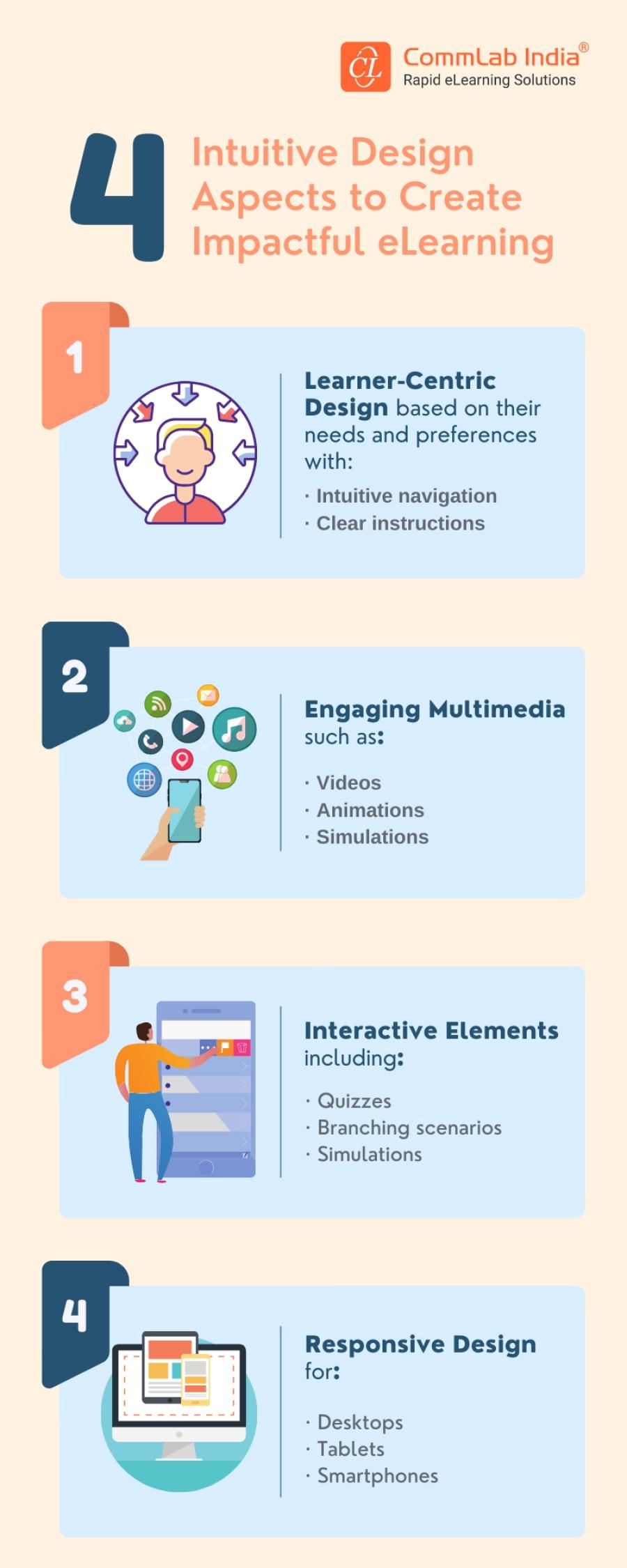
- Use infographics, animations, and short videos to explain complex ideas.
- Incorporate real-life scenarios to contextualize learning.
3. Design for Mobile and Multi-Device Compatibility
- Ensure responsive design so modules work seamlessly on smartphones, tablets, and desktops.
- Keep navigation simple and intuitive for quick learning bursts.
4. Foster Interactivity
- Engage learners with clickable hotspots,drag-and-drop activities,quizzes,and polls.
- Enable scenario-based decision making to encourage active participation.
5. Leverage Micro-Assessments and instant Feedback
- Integrate brief quizzes or knowledge checks after each module.
- Offer immediate, personalized feedback to reinforce correct responses and guide learning.
6. Keep Content Relevant and Contextual
- Use relatable case studies and practical examples.
- Update modules regularly to reflect industry developments and learner feedback.
7. Optimize for SEO and Searchability
- Use descriptive titles, keywords (such as microlearning design, e-learning modules, interactive training), and meta tags in both module content and assets.
- Provide transcripts for video and audio content to boost accessibility and keyword presence.
Practical Tips for Microlearning Content Creation
Here are hands-on strategies to simplify your content development workflow:
- Chunk content: divide learning materials into standalone segments of 3-7 minutes each.
- Limit extraneous information: Cut out non-essential details to retain a razor-sharp focus.
- Use vivid visuals: replace long paragraphs with illustrations, diagrams, or flowcharts to simplify complex information.
- Align design with branding: Use your company’s color palette and logo for consistency.
- Include short, memorable calls-to-action: Guide learners on the next steps, like applying a skill or sharing feedback.
Case Study: Successful Microlearning Implementation
Let’s explore how a multinational tech company transformed its onboarding process using microlearning:
Solution:
- The company developed a series of ten 5-minute microlearning modules covering company culture, compliance, and key job skills.
- Modules incorporated gamification, video vignettes, and interactive quizzes.
- Assessments after each module provided instant feedback and tracked progress.
Outcome:
- onboarding completion rates rose 40%.
- Employee satisfaction with training increased according to post-training surveys.
- managers reported faster ramp-up times for new hires.
First-Hand Experience: What Works in Microlearning Design
From collaborating with instructional designers and corporate trainers, a few golden rules always stand out:
- Emphasize learner-centric design: Always create modules with your audience’s needs, time constraints, and preferences in mind.
- Pilot and iterate: Test microlearning modules with a small group, gather feedback, and refine before full rollout.
- Blend formats: Combine videos, slides, gamified elements, and micro-assessments for a diverse learning experience.
One training coordinator shared, “Our most engaging modules were those that mixed storytelling with clickable challenges. Learners enjoyed seeing real-world scenarios and testing their decisions in a safe, interactive habitat.”
Best practices for Microlearning Module Success
Follow these best practices to ensure your microlearning achieves its goals:
- Use multimedia judiciously—avoid overloading modules with excessive visuals or audio.
- Ensure accessibility—provide subtitles, alt text for images, and keyboard navigation options.
- Measure effectiveness—track engagement, completion rates, and assessment scores using your LMS analytics.
- Encourage social learning—integrate discussion forums or social sharing options to foster peer interaction.
- Update regularly—refresh content to maintain relevance and accuracy.
Conclusion: Take the Next Step in Effective microlearning Design
Crafting engaging microlearning modules is both an art and a science. By focusing on clear objectives, interactivity, storytelling, and mobile-friendly design, you can create modules that captivate learners and deliver real-world impact. As e-learning and digital training continue to evolve, leveraging microlearning is a smart way to improve knowledge retention, reduce training time, and create flexible, engaging learning pathways for your audience.
Ready to transform your training with microlearning? Apply these tips, experiment with new formats, and watch learner engagement soar!