
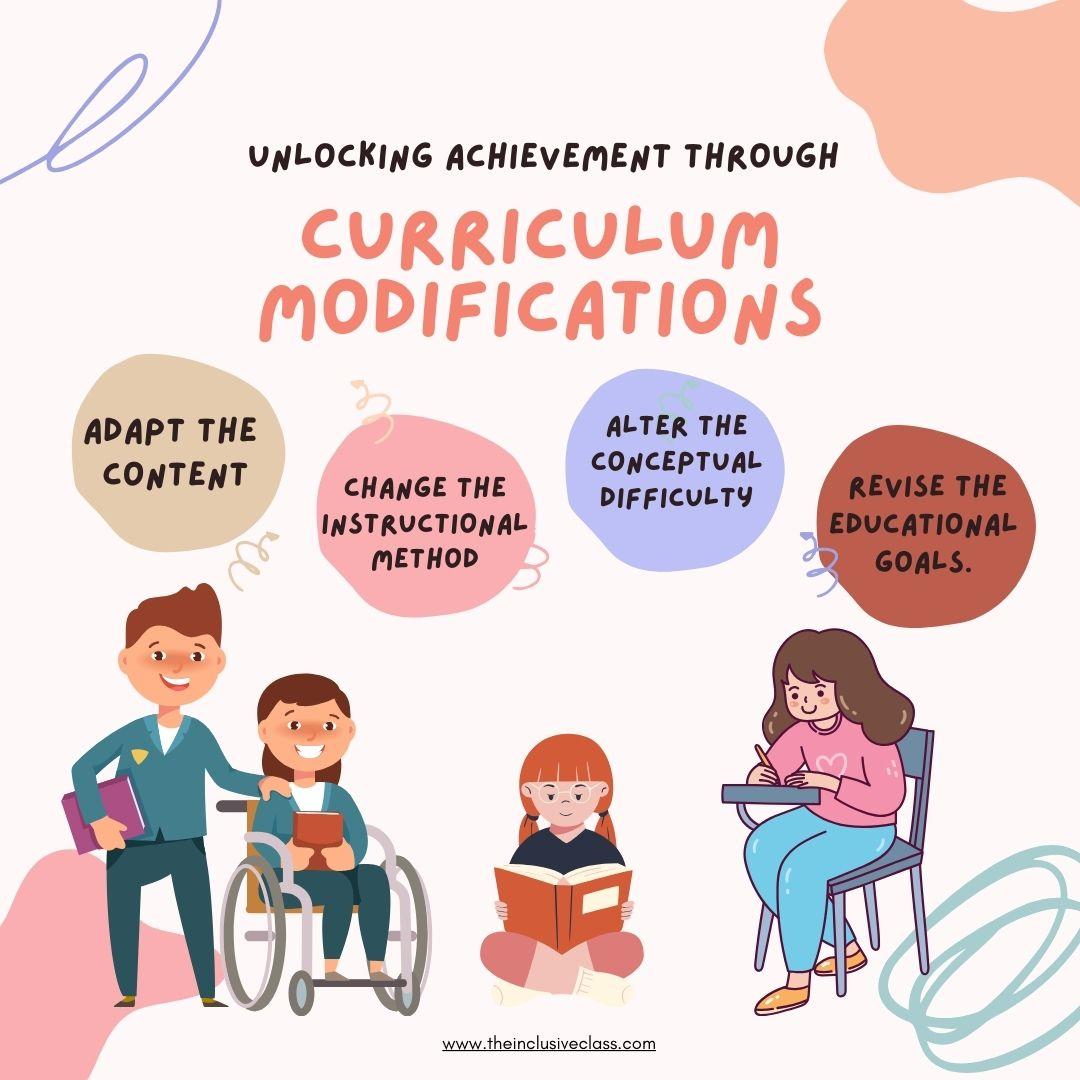
Creating Inclusive curricula: Essential Strategies for Diverse Learners
In today’s ever-evolving educational landscape, one thing is clear: diversity in the classroom is not just a reality, but an asset to be celebrated and leveraged. Creating inclusive curricula is vital for supporting all students, irrespective of background, ability, or learning style. Ensuring that every learner feels seen, heard, and valued is at the heart of quality education. In this article, we delve into essential strategies for embracing diversity in teaching, offer practical tips, explore real-world case studies, and showcase how inclusive curriculum design benefits everyone.
Why Inclusive Curricula Matter in Today’s Schools
An inclusive curriculum goes beyond accommodating students; it actively values and incorporates the experiences, cultures, and perspectives of all learners. With classrooms becoming increasingly multicultural and learners presenting a wide range of needs—including linguistic, physical, cognitive, and emotional variations—educators must adopt approaches that foster equity and inclusion.
- Improved academic outcomes: When students feel represented, their engagement and achievement soar.
- Social and Emotional Growth: Inclusive practices help nurture empathy, respect, and collaboration among peers.
- Readiness for a Diverse World: Students develop adaptability and cultural competence, essential for future success.
Core Principles of Inclusive Curriculum Design
Building a truly inclusive curriculum requires intentionality. Here are core principles to anchor your efforts:
- Differentiation and Worldwide Design: Tailor instruction to meet varied needs by providing multiple means of engagement, portrayal, and expression.
- Cultural Responsiveness: Integrate content that reflects and respects the cultural backgrounds of all students.
- Accessibility: Ensure curriculum materials and delivery are accessible to all learners, including those with disabilities.
- Student Voice and Choice: Empower students by incorporating their interests, experiences, and input into curriculum planning.
- Reflective Practice: Regularly assess and adapt the curriculum to respond to evolving learning communities.
Essential Strategies for Creating Inclusive Curricula
Ready to take practical steps towards curriculum inclusivity? Here are actionable strategies that make a difference in supporting diverse learners:
1.Embrace Universal Design for Learning (UDL)
UDL encourages educators to design lessons and assessments from the start for the widest possible range of learners.Key approaches include:
- Offering content in multiple formats (audio, visual, text, hands-on activities)
- Providing options for students to demonstrate understanding (presentations, written work, creative projects)
- Allowing flexible pacing and personalized pathways
2. Incorporate Culturally Relevant pedagogy
Celebrate the backgrounds of all students by including diverse voices, experiences, and histories in your teaching materials.Strategies include:
- Selecting literature and resources authored by individuals from various cultures and backgrounds
- Relating lessons to students’ real-life experiences
- Encouraging discussions about identity, bias, and equity in age-appropriate ways
3. Foster a Growth Mindset Habitat
Cultivate an atmosphere where mistakes are viewed as learning opportunities. Provide constructive feedback, celebrate effort and betterment, and model a growth mindset yourself.
4. Ensure Physical and Digital Accessibility
Check that all learning materials—whether print or digital—are accessible. adopt tools like screen readers, alt-text for images, captioned videos, and easy-to-read fonts for those with visual processing challenges.
5. Collaborate with Stakeholders
- Engage families and communities in curriculum advancement
- Consult with specialists (ESL, special education, mental health teams) to address varied learner needs
- Solicit student feedback through surveys or informal conversations
Benefits of Inclusive Curriculum for Diverse Learners
Implementing inclusive curriculum strategies doesn’t just benefit marginalized groups—it elevates the learning experience for everyone. Here’s how:
- higher Engagement: Students relate to and are inspired by relevant, representative content.
- Increased Achievement: All students, regardless of starting point, make greater academic gains.
- Greater Sense of Belonging: Students feel respected and included, reducing dropout rates and behavior issues.
- Preparation for Real-World Diversity: Learners gain essential soft skills—dialog, empathy, critical thinking—that last a lifetime.
“Equity is not giving the same thing to everyone, but giving each student what they need to succeed.” — Pedro Noguera, Education Advocate
Practical Tips for Implementing Inclusive Curricula
- Audit your Curriculum Regularly: Analyze materials and activities for bias, stereotypes, and representation gaps.
- Provide Scaffolding: Break down complex tasks and offer support tailored to various ability levels.
- Use Formative Assessment: Gather frequent feedback to adjust instruction and ensure all learners progress.
- Encourage Peer Support: Organize collaborative projects deliberately to foster relationship-building and peer teaching.
- celebrate Diversity: Observe multicultural events, invite guest speakers, and integrate global perspectives throughout the year.
Case Studies: Inclusive Curriculum in Action
case Study 1: A Multilingual Primary School (London, UK)
Faced with a student body speaking over 30 languages, one school adopted UDL principles, provided dual-language materials, and involved parents in classroom activities. The result? Improved academic results, reduced absenteeism, and a marked increase in student confidence.
Case study 2: STEM for Neurodiverse learners (San Francisco, USA)
A high school revamped its science curriculum by incorporating hands-on learning for students with ADHD and autism. Flexible seating, fidget tools, and step-by-step visual guides enabled students to engage deeply, leading to a 25% boost in test scores across the board.
Case Study 3: Rural High School Embracing Cultural Heritage (Australia)
A predominantly Indigenous student body inspired teachers to integrate local history,crafts,and oral storytelling into all subjects. Students reported a stronger sense of pride, and graduation rates rose substantially in three years.
First-Hand Experience: Voices of Educators and Students
“I used to think ‘inclusion’ was only about special education, but now I realize it means creating space for everyone’s story. When I added more student choice projects, kids who struggled before began thriving”—Maria G., Grade 7 Teacher
“As a dyslexic student, I loved being able to use speech-to-text for my assignments. For the first time, my ideas mattered more than my spelling.”—Jules, High School Student
Conclusion: The Future of Inclusive Curriculum Design
the journey to creating an inclusive curriculum isn’t a one-time effort—it’s a continuous commitment to growth, equity, and excellence for diverse learners. By adopting these essential strategies and remaining open to feedback,educators can transform their classrooms into places where every student feels empowered to learn,contribute,and succeed.
As you refine your own curricula, remember: inclusion is not just an educational buzzword, but the foundation for lifelong achievement and a more equitable world.