
Critical Ethical Considerations of AI in Education: What Educators and Policymakers Must Know
Artificial intelligence (AI) is revolutionizing education,offering personalized learning experiences,streamlined management,and data-driven insights. Though,the integration of AI in schools and universities brings forth pressing ethical challenges that educators and policymakers must thoughtfully address. This in-depth article unpacks the critical ethical considerations of AI in education, providing practical guidance to ensure technology enhances learning while safeguarding students’ rights and well-being.
Introduction
From adaptive learning platforms to automated grading tools, artificial intelligence is quickly transforming classrooms around the globe. While the potential benefits are vast, the increased reliance on AI technologies also introduces ethical dilemmas related to privacy, bias, transparency, and the student-teacher relationship. To ensure responsible AI adoption in educational settings, it’s essential for both educators and policymakers to be fully informed and proactive in addressing these key concerns.
What Are the Critical Ethical Considerations of AI in Education?
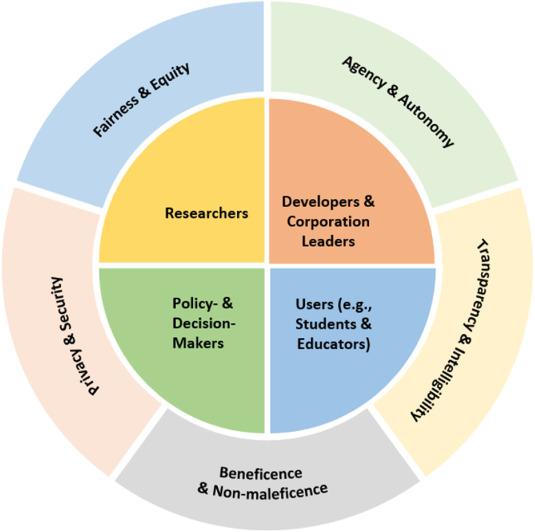
Successfully implementing AI in education requires a solid understanding of the most important ethical issues, including:
- Data Privacy and Security
- Algorithmic Bias and Fairness
- Transparency and Explainability
- The Teacher-Student Relationship
- Accountability and Duty
- Equity of Access
1. Data Privacy and Security
AI systems in education rely heavily on collecting and analyzing vast amounts of student data—test scores,learning behaviors,demographics,and more. Ensuring this sensitive information is handled ethically and securely is paramount.
- Data Minimization: Only data necessary for educational purposes should be collected, in accordance with regulations like FERPA (Family Educational Rights and Privacy Act) or GDPR.
- Informed Consent: Students and parents must be clearly informed about what data is collected, how it is indeed used, and with whom it is shared.
- Protection Against Breaches: Robust cybersecurity measures and data encryption protocols are necessary to prevent unauthorized access and leaks.
2. Algorithmic Bias and Fairness
AI learning algorithms are only as unbiased as the data and assumptions behind them. If the data reflects existing societal biases, AI decisions—such as grades, recommendations, or disciplinary action—can perpetuate or even amplify inequalities.
- Bias Auditing: Regularly test and audit AI systems to identify and correct biased outcomes, especially across different demographic groups.
- Diversity in Progress: Encourage involvement of diverse educators, students, and community members in designing and maintaining AI tools.
3. Transparency and Explainability
Students, parents, and educators should be able to understand how AI systems arrive at certain recommendations or decisions. Black-box algorithms undermine trust and prevent meaningful challenge of their outcomes.
- Clear Communication: Make the functioning of AI systems,their goals,and their limits obvious to end-users.
- Accessible Explanations: Use plain language to explain to students and families how AI-generated assessments or recommendations work.
4. The Evolving Teacher-Student Relationship
AI offers adaptive feedback and self-paced learning—but it should never replace the critical human aspects of teaching, such as empathy, mentorship, and social interaction.
- Support, Not Substitute: AI should empower teachers, freeing time for personalized support, rather than supplanting them.
- Human Oversight: Teachers must be actively involved in monitoring AI outputs and ensuring technology complements pedagogy.
5.Accountability and Responsibility
When AI systems impact educational trajectories, accountability for errors, harm, or misuse can become blurred.
- Clear Boundaries: Assign explicit accountability for AI deployment, maintenance, and outcomes—weather to technology providers, school administrators, or educators.
- Appeals and Redress: Establish procedures for students and teachers to challenge or appeal AI-driven decisions.
6. Equity of access
AI has the potential to widen educational gaps if not all students have equal access to technology and digital literacy training.
- Bridging the digital Divide: Ensure equitable distribution of devices, high-speed internet, and technical support to all communities.
- Inclusive Design: Develop AI tools that cater to students with diverse learning needs and disabilities.
Benefits of Responsible AI in Education
When implemented with ethics and care,AI systems can supercharge education in many positive ways:
- Personalized Learning: Adapts materials and pace to individual student needs for greater engagement and success.
- Administrative Efficiency: Automates repetitive tasks, enabling educators to focus on teaching.
- Early Intervention: Identifies at-risk students sooner, helping to prevent failure or disengagement.
- Insights for Continuous Enhancement: Provides actionable data to improve curriculum, teaching strategies, and student outcomes.
However, these benefits can only be fully realized if AI is used ethically.
Case Studies: Ethical Challenges of AI in Action
A. AI-Based Exam Proctoring
During the pandemic, many schools adopted AI-powered proctoring tools to prevent cheating in online exams. However, concerns soon emerged over privacy violations (webcams monitoring bedrooms), algorithmic bias (flagging minority students or those with disabilities for “suspicious” behavior), and a lack of transparency.
Lesson: Technology alone cannot create fair and secure assessments. Human oversight, clear communication, and student input are essential.
B. Intelligent Tutoring Systems
Some AI-driven platforms promise personalized learning experiences using constant data collection.While they boost engagement, worries arise over how much student data is harvested and who has access.
Lesson: Parental consent, data minimization, and robust security measures must be standard practice.
Practical Tips for Educators and Policymakers
Here are actionable steps to implement AI responsibly in educational settings:
- Establish Ethical Guidelines: Collaborate on school or district-wide AI ethics policies, referencing best practices and legal requirements.
- Prioritize Professional Development: Provide ongoing training for teachers and administrators on AI, digital privacy, and cultural bias.
- Engage Stakeholders: Involve students, parents, and community voices in AI adoption decisions.
- Regularly Assess risk: Conduct ethical impact assessments before implementing new AI technologies.
- Enforce Transparency: Require vendors to provide information about AI system functioning, data use, and bias mitigation strategies.
Conclusion
The future of AI in education is radiant,but only if we address the critical ethical considerations head-on. By recognizing the challenges of data privacy, bias, transparency, equity, and accountability, educators and policymakers can ensure that AI serves as a powerful tool for fairer, more effective learning. Let’s work together to champion responsible, human-centered AI deployment in every classroom—so that all students can thrive in the age of artificial intelligence.