
Curriculum Designer: Essential Skills, Roles, and Career Paths Explained
if you’re passionate about transforming education and harnessing the power of technology, a career as a Curriculum Designer in the field of education technology (EdTech) might be your ideal path. As educational institutions increasingly embrace digital solutions,the demand for skilled curriculum designers has soared. This comprehensive guide will dive deep into what it takes to become a successful curriculum designer, explore the critical skills required, discuss typical job responsibilities, and outline the career paths available in universities, colleges, and schools.Whether you’re a recent graduate or a seasoned educator looking to specialize,this article will help you understand how to build a meaningful and impactful career in curriculum design.
What Is a Curriculum Designer in Education Technology?
A curriculum designer in the EdTech sector is a professional responsible for developing, evaluating, and enhancing learning materials, instructional strategies, and course structures tailored for digital platforms in academic settings. By synthesizing educational theory with technological innovations, curriculum designers ensure that students receive engaging, effective, and inclusive learning experiences—whether in-person, online, or hybrid.
Roles typically exist across:
- Universities
- Colleges
- K-12 schools
- Online learning platforms
Curriculum designers collaborate with educators, subject matter experts, and EdTech specialists to create curricula that attain academic standards and promote student motivation.
Key Roles and Responsibilities of Curriculum Designers
Curriculum designers wear many hats. understanding these responsibilities will help you prepare for,and thrive in,the education technology landscape:
- Curriculum Development: Designing instructional materials,lesson plans,course structures,and assessment tools.
- Instructional Design: Integrating best practices in digital pedagogy, choosing appropriate technological tools, and creating multimedia resources.
- Alignment with Standards: Ensuring courses and activities meet educational standards and accreditation requirements.
- Collaboration: Partnering with teachers, faculty, and IT teams to implement and refine curriculum.
- Research & Evaluation: Analyzing educational trends, gathering student feedback, and refining designs based on outcomes data.
- Professional Development: Training educators to use new curricula and EdTech tools.
- Equity & Inclusion: Creating materials accessible and relevant for diverse learners, including students with special needs.
Essential Skills for a Successful Curriculum Designer
Building a career in curriculum design requires a blend of hard skills, soft skills, and a deep understanding of technological advancements in education. Here are the most importent competencies:
technical Skills
- Instructional Design Tools: Fluency in platforms such as Blackboard, Canvas, Moodle, Google Classroom, and others.
- Learning Management Systems (LMS): Knowledge of course creation, user management, and analytics within LMS environments.
- Multimedia Production: Experience creating educational videos,interactive content,infographics,and digital assets.
- Assessment Tools: Skill in designing quizzes, formative assessments, and rubrics that leverage technology for feedback and tracking.
- Data Analytics: Ability to evaluate learning outcomes and effectiveness using data-driven approaches.
Pedagogical Skills
- Learning Theory Application: Practical knowledge of constructivism, Bloom’s taxonomy, Universal Design for Learning (UDL), and differentiated instruction.
- Student Engagement Strategies: Creating curricula that fosters motivation,curiosity,and collaboration.
- Accessibility Design: Ensuring digital materials meet ADA guidelines and Universal Design standards.
Soft skills
- Communication: Explaining complex concepts, documenting processes, and facilitating team collaboration.
- Project Management: Managing timelines, budgets, and resources for curriculum development projects.
- Problem-Solving: Innovating solutions for diverse learning needs and technological challenges.
- Creativity: Infusing lessons with originality to maximize student interest and retention.
Education Requirements and certifications
The qualifications for curriculum designer roles can vary widely depending on the institution and specific position. Common requirements include:
- Bachelor’s or master’s degree in Education, Instructional Design, Educational technology, or a related field
- Teaching credentials or classroom experience (highly beneficial for K-12 settings)
- professional certifications, such as:
- Certified Professional in Learning and Performance (CPLP)
- Google Certified Educator
- Portfolio of curriculum projects or digital learning modules
Continued professional development through workshops, conferences, and online courses is highly recommended for career advancement.
Career Paths and Advancement Opportunities
Working as a curriculum designer in education technology can open doors to a variety of roles across academic institutions and EdTech companies. Potential career paths include:
- Lead Curriculum Designer: Overseeing teams and setting curriculum strategies for departments or entire schools.
- Instructional Coordinator: Focusing on curriculum alignment, professional development, and quality assurance.
- Education Technology Specialist: Implementing new technologies and training educators on digital tools.
- Academic Program Manager: directing program development across several disciplines or grade levels.
- director of Curriculum and Instruction: Shaping curriculum policy, strategic planning, and institutional priorities.
- Freelance Curriculum Design Consultant: Working independently for multiple clients, including schools, universities, and EdTech startups.
The demand for curriculum designers is especially strong in:
- Online learning platforms
- Higher education e-learning departments
- K-12 school districts implementing blended learning
- Corporate training centers
Benefits of Pursuing a Career as a Curriculum Designer
Choosing curriculum design in EdTech comes with many rewards:
- Impact: Directly influence student success and learning outcomes.
- Innovation: Be at the forefront of education trends and technology integration.
- Job Security: Rising demand for skilled designers due to digital transformation in education.
- Flexibility: Opportunities for remote work, part-time consulting, or full-time positions.
- Personal Growth: Continuous learning and exposure to new tools and pedagogical ideas.
Practical tips to Launch and Succeed in Curriculum Design
if you are ready to embark on this dynamic path, consider these practical strategies:
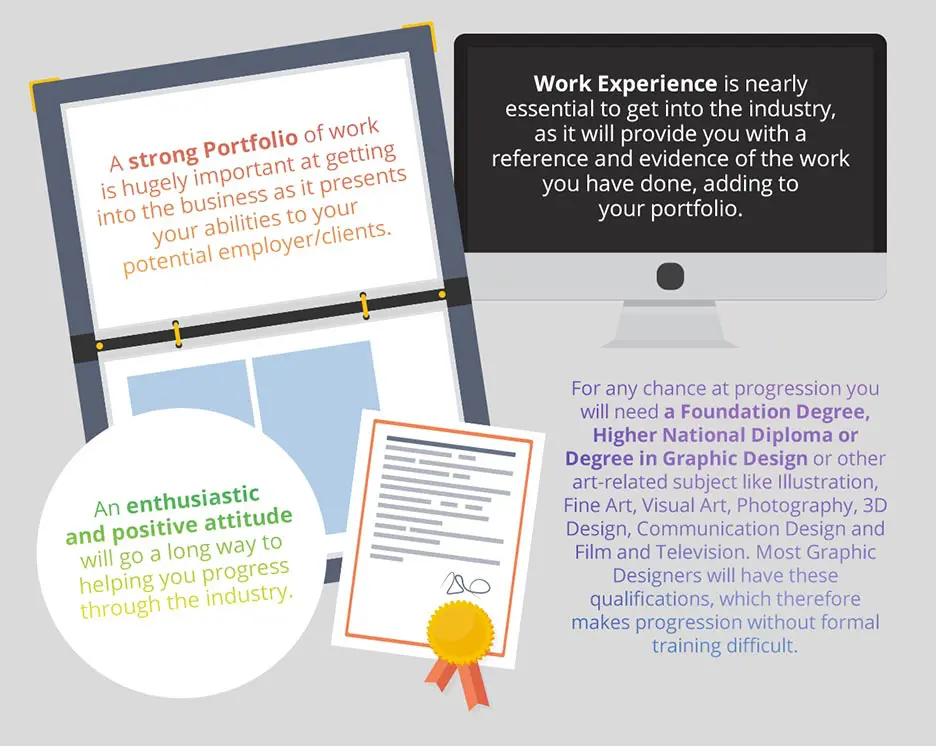
- Build a Strong Portfolio: Develop sample lesson plans, interactive modules, and digital resources to showcase your skills.
- Network within Education Technology Circles: Join professional associations, attend webinars, and connect with practicing curriculum designers.
- Stay Updated on EdTech Trends: Follow journals, blogs, and podcasts focusing on instructional design and technology integration.
- Seek Mentorship: Partner with experienced curriculum specialists and participate in feedback sessions to refine your approach.
- Leverage Online Training: Take advantage of online certifications and micro-credentials to boost your expertise and marketability.
- Showcase Results: Document measurable impact—such as improved test scores or engagement rates—from your curriculum projects.
Conclusion: Shaping the Future as a Curriculum Designer in EdTech
The evolution of education technology creates a wealth of exciting opportunities for curriculum designers in schools,colleges,and universities. By mastering essential skills, understanding the diverse roles, and continually updating your expertise, you can build a rewarding career that transforms learning for generations to come. as education continues to adapt to new technologies and changing student needs, curriculum designers will remain at the heart of innovative, impactful academic experiences.
ready to embark on this journey? Start building your portfolio, expand your network, and embrace lifelong learning to unlock your potential as a curriculum designer in education technology.