
Curriculum Designer: Key Roles,Essential Skills,and How to Become One
If you are passionate about shaping the future of education and leveraging technology to create dynamic learning experiences,a career as a curriculum designer might be the perfect fit for you. With the rise of digital learning, universities, colleges, and schools are actively seeking innovative curriculum designers to enhance their educational offerings. In this comprehensive guide,we’ll explore what a curriculum designer does,the essential skills required,the benefits of working in education technology,and practical steps to kickstart your journey in this rewarding field.
What is a Curriculum Designer?
A curriculum designer is an education professional responsible for developing, organizing, and refining instructional materials and course structures. Often employed in higher education, K-12 schools, or EdTech companies, curriculum designers promote student engagement, facilitate learning outcomes, and ensure curriculum alignment with educational standards — all while integrating technology to enrich the educational experience.
key Roles and Responsibilities of a Curriculum Designer
The role of a curriculum designer extends far beyond textbook selection. Here are the most common responsibilities you’ll encounter in this position:
- Developing Instructional Materials: creating lesson plans,projects,activities,and multimedia resources that meet learning objectives.
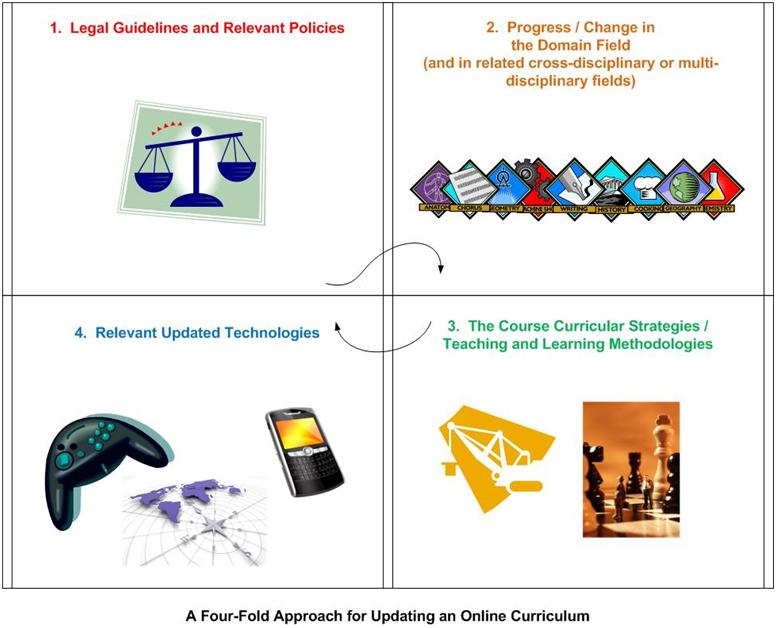
- incorporating Education technology: Selecting and integrating digital tools such as virtual labs, interactive modules, and e-learning platforms.
- Aligning with standards: Ensuring curriculum aligns with national, state, or institutional standards and accreditation requirements.
- Collaborating with Faculty: Working closely with teachers, professors, and department heads to gather input and feedback.
- Continuous Betterment: Using data-driven insights and student assessments to revise and improve curricula.
- Training & Support: Providing guidance and professional progress to educators on implementing new curriculum resources and technology.
- Evaluating Educational Outcomes: Assessing the effectiveness of curriculum materials through student performance metrics and surveys.
Essential Skills for Curriculum Designers in Education Technology
To secure a job as a curriculum designer at a university, college, or school — especially within education technology — candidates should demonstrate a blend of hard and soft skills:
hard Skills
- Instructional Design: Expertise in developing instructional strategies that promote active and personalized learning experiences.
- Assessment Creation: Ability to design various assessment tools — quizzes, rubrics, and formative assessments — to measure learning outcomes.
- Technology Integration: Skillful use of educational technology platforms (e.g., Learning Management Systems like Canvas, Blackboard, Moodle).
- Content Mapping: Structuring course content for logical flow, scaffolding, and accessibility.
- Data Analysis: Interpreting feedback and evaluation metrics to adapt and improve curriculum materials.
Soft Skills
- Creativity: Developing engaging and innovative learning experiences that captivate diverse student audiences.
- Collaboration: working effectively within multidisciplinary teams including faculty and technology professionals.
- Communication: Presenting ideas clearly,writing concise instructional materials,and articulating rationale for curriculum decisions.
- Adaptability: Staying current with educational trends and quickly responding to changes in technology and pedagogy.
- Problem-Solving: Addressing challenges in curriculum design and finding practical solutions for complex educational needs.
Qualifications and Educational Requirements
While requirements can vary, most education technology jobs in curriculum design expect candidates to possess the following:
- Bachelor’s degree in Education, Instructional Design, Curriculum Development, or a related field (Minimum).
- Master’s degree in Education Technology, Curriculum & Instruction, or a specialized education discipline (Strongly preferred for universities and colleges).
- Experience teaching or facilitating training sessions is frequently enough required or preferred.
- Certifications such as Certified Instructional Designer/Developer (CIDD) or ISTE Certification may be valuable.
For specialist curriculum designer roles focused on EdTech,additional qualifications like coding knowledge,digital media production,or project management may also enhance employability.
Career path: How to Become a Curriculum Designer
embarking on a career as a curriculum designer in education technology follows a strategic process. Here’s your step-by-step guide:
- Gain Relevant Education: Pursue a bachelor’s degree in education, instructional technology, or a related field.Consider a master’s for advanced positions,especially in higher education.
- acquire Teaching Experience: Spend time in the classroom, leading workshops, or coaching. This hands-on experience helps you understand student needs and effective pedagogical strategies.
- Study Instructional design: Take formal courses in instructional design, curriculum development, and learning theory. Many universities offer dedicated programs and certifications.
- Develop Tech Skills: Get comfortable with Learning Management Systems, digital assessment tools, collaborative platforms, and multimedia design software.
- Build a Portfolio: Create and showcase sample curricula, digital lessons, assessments, and course plans. Use a professional website or digital portfolio platform to demonstrate your work.
- Network in the Education Community: Attend education conferences, join EdTech forums, and connect with professionals at universities, colleges, and schools.
- Apply for Positions: Target positions with keywords such as “curriculum designer,” “instructional designer,” “e-learning specialist,” and “education technology specialist.” Tailor your resume to highlight both pedagogical and technical expertise.
- Stay Current: Certification in new technology, ongoing professional development, and keeping up with best practices in digital pedagogy will set you apart from other candidates.
Benefits of Being a Curriculum Designer in Education Technology
Working as a curriculum designer within the education technology sphere offers unique advantages:
- Impact: Directly shape student learning experiences and educational outcomes.
- Innovation: Engage with cutting-edge technologies and methodologies.
- Collaboration: Work alongside passionate educators and tech professionals in multidisciplinary teams.
- Professional Growth: Continuous learning through exposure to new tools, trends, and educational research.
- adaptability: Opportunities for remote work and contract-based projects in EdTech companies and institutions.
Practical Tips for Aspiring Curriculum Designers
If you’re determined to begin or advance your career as a curriculum designer, use these practical tips to maximize your success:
- Stay Ahead of Trends: Read reports, follow leading EdTech blogs, and participate in webinars on instructional technology.
- Showcase Success: Collect testimonials and data from pilot courses or projects you’ve designed.
- Practice Digital Literacy: Familiarize yourself with tools such as Google Classroom, Articulate Storyline, and Zoom for education.
- Join Professional Associations: Consider memberships with organizations such as the International Society for Technology in Education (ISTE) or the Association for Educational Communications and Technology (AECT).
- Mentor and Be Mentored: Find experienced curriculum designers to guide you, and share your expertise with newer professionals.
Curriculum Designer Job Outlook and Advancement Opportunities
The demand for curriculum designers in education technology continues to grow as schools and universities embrace digital learning. Opportunities are broad, ranging from K-12 curriculum specialists to higher education instructional designers and EdTech product developers.
- Entry-Level: Assistant curriculum designer or instructional support roles.
- Mid-Level: Lead curriculum designer, team coordinator, or subject matter expert.
- advanced: Director of curriculum development, EdTech product manager, or head of instructional innovation.
Many professionals also leverage their skills to transition into EdTech entrepreneurship, consulting, or academic research roles.
Conclusion: Start Your Journey as a Curriculum Designer
Becoming a curriculum designer specializing in education technology at universities, colleges, or schools is both a challenging and rewarding career path. You’ll play a pivotal role in redefining how students learn, collaborating across disciplines, and pioneering digital transformation in education. By developing essential skills, earning relevant qualifications, and building experience in instructional design, you set the stage for long-term success and impact in this high-demand field.
Ready to make your mark on the future of education? Start preparing today, and you could soon find yourself empowering learners and educators with innovative curriculum solutions that make a difference.