
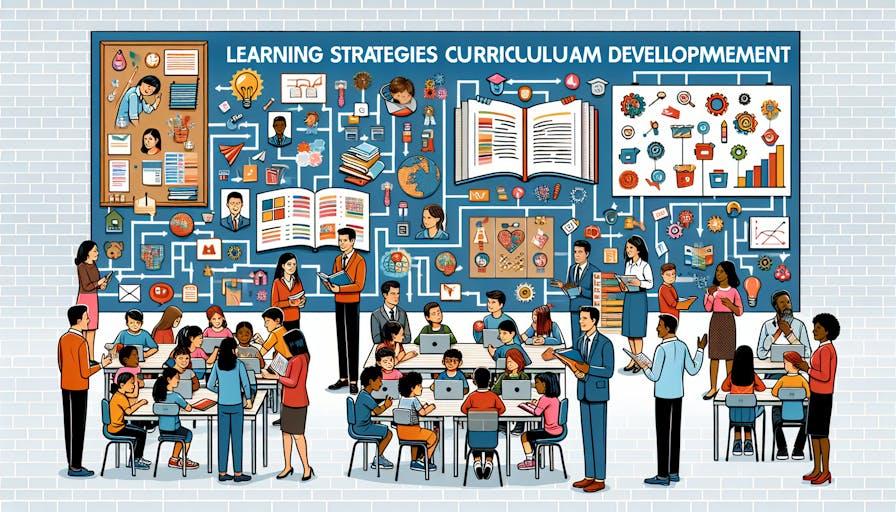
Curriculum Designer: Key Roles, Skills, and Steps to Building Effective Educational Programs
Are you passionate about shaping the future of learning through innovation and technology? Landing a curriculum designer job in education technology at universities, colleges, or schools could be the perfect fit for you. Curriculum designers play a vital role in developing impactful, future-ready academic programs.This comprehensive guide will help you understand their critical roles,essential skills,and actionable steps to launch your career in edtech curriculum development.
What Is a Curriculum Designer?
A curriculum designer in education technology (edtech) is a professional responsible for creating, updating, and optimizing educational programs that leverage technology to enhance student learning outcomes. this role bridges instructional goals with modern learning tools,ensuring the curriculum meets the needs of diverse learners and aligns with institutional objectives.
- Industry focus: Edtech jobs in universities, colleges, and K-12 schools
- Core mission: Designing high-impact educational experiences using technology
- Scope: Online, hybrid, and face-to-face learning environments
Key Roles and Responsibilities of a Curriculum Designer
Working as a curriculum designer in higher education or schools involves a blend of creativity, technical skill, and educational expertise.Here are the main roles and responsibilities:
- Curriculum Development and Revision: Create new courses, modify existing ones, and ensure alignment with learning objectives, accreditation standards, and industry trends.
- Instructional Design: Apply instructional design principles (such as ADDIE or Backward Design) to build engaging and effective lessons, modules, and assessments.
- Technology Integration: Incorporate edtech tools (LMS platforms, interactive media, AI-based tools) to support personalized and accessible learning experiences.
- Collaborative Work: Work closely with faculty, subject-matter experts, stakeholders, and IT departments to ensure curriculum coherence and technology compatibility.
- Assessment & Evaluation: Design rubrics, formative and summative assessments, and use analytics to measure student progress and curriculum effectiveness.
- professional Development: Provide training and support for instructors and staff to effectively implement new curricula and technologies.
- Research & Innovation: Stay updated on the latest trends in education technology, pedagogy, and regulatory requirements.
Essential Skills for Aspiring Curriculum Designers
To thrive in a curriculum designer job in edtech,you’ll need a blend of technical,pedagogical,and interpersonal skills. Here’s what employers look for:
- Instructional design Expertise: Familiarity with ADDIE, SAM, or other instructional design models.
- Understanding of EdTech Tools: Practical knowledge of learning management systems (LMS), digital collaboration platforms, and emerging technologies like AR/VR and AI.
- Interaction and Collaboration: Ability to clearly convey ideas and foster productive partnerships with stakeholders.
- Assessment and Data Analysis: Skills in creating meaningful assessments and interpreting learning analytics data to inform curriculum decisions.
- Project Management: Efficiently manage multiple projects and deadlines, using tools like Trello, Asana, or Microsoft project.
- Cultural Competency: design inclusive curricula that address diverse backgrounds and learning needs.
- Research Skills: Stay updated with educational research, learning science, and policy changes.
steps to Building Effective Educational Programs
Building a successful educational program as a curriculum designer involves systematic planning, collaboration, and evaluation:
-
Needs Analysis
- Gather data from students, faculty, and stakeholders to identify gaps and opportunities.
- Review institutional goals, accreditation criteria, and technological readiness.
-
Goal Setting and Learning Outcomes
- Define clear, measurable learning objectives aligned with program and institutional vision.
- Ensure outcomes address knowledge, skills, and competencies required for future success.
-
Curriculum Mapping
- Structure course sequences and interconnections that support learning progression.
- Map content delivery with relevant assessments and learning activities.
-
Instructional design
- Develop course materials, multimedia content, and interactive activities leveraging edtech tools.
- Design for multiple delivery formats (online, hybrid, in-person).
-
Implementation
- Facilitate rollout through faculty training and support structures.
- Monitor initial feedback and adjust as needed.
-
Assessment and Continuous Betterment
- Collect data on student performance and engagement.
- Solicit feedback from learners and instructors; make data-driven revisions.
Benefits of working as a Curriculum Designer in EdTech
Choosing a curriculum designer career in education technology can be highly rewarding, both personally and professionally. Here are some of the top benefits:
- Impactful Work: Directly shape the learning journeys of students and educators.
- Innovation-Driven: Stay at the forefront of educational and technological advancements.
- Collaborative Environment: Work with diverse teams and contribute to meaningful institutional changes.
- Flexible Work Arrangements: Many edtech roles offer options for hybrid or remote work.
- Professional Growth: Endless opportunities to learn new skills, attend conferences, and earn certifications.
Practical Tips for Aspiring Curriculum Designers
- Build Your Portfolio: Document your projects, lesson plans, and edtech initiatives to showcase your expertise.
- Seek Relevant Certification: Credentials such as Certified Professional in Learning and Performance (CPLP) or certifications in specific LMS platforms can boost your resume.
- Network with Peers: Join professional organizations and attend edtech conferences to stay connected and share best practices.
- Emphasize Adaptability: The education landscape evolves rapidly—demonstrate your capacity to learn and adapt to new tools and methodologies.
- Stay Research-Informed: Regularly read journals, blogs, and reports on education technology and instructional design trends.
- Master Assessment: Showcase your ability to design and analyze assessments to drive meaningful improvements.
- Develop Technological Fluency: Experiment with new digital tools and platforms to remain competitive in the field.
Career Pathways and Advancement Opportunities
Starting as a curriculum designer opens doors to various career trajectories within edtech and academia. Common next steps include:
- Led instructional Designer
- EdTech Program Manager
- Director of Curriculum and Instruction
- Chief Learning Officer
- Consultant or edtech entrepreneur
With the demand for tech-savvy, student-focused learning increasing, there’s never been a better time to explore these roles at universities, colleges, and schools.
Conclusion: Bringing Innovation and Impact to Education
Becoming a curriculum designer in education technology offers a unique blend of creativity, impact, and professional growth. By mastering key skills—such as instructional design,technology integration,collaboration,and assessment—you’ll not only boost your employability but also play a pivotal role in transforming learning experiences for students across the globe. Follow the practical steps outlined above, invest in your development, and take confident strides toward a rewarding career in edtech curriculum design. The future of education is being written today—why not be one of its most forward-thinking authors?