
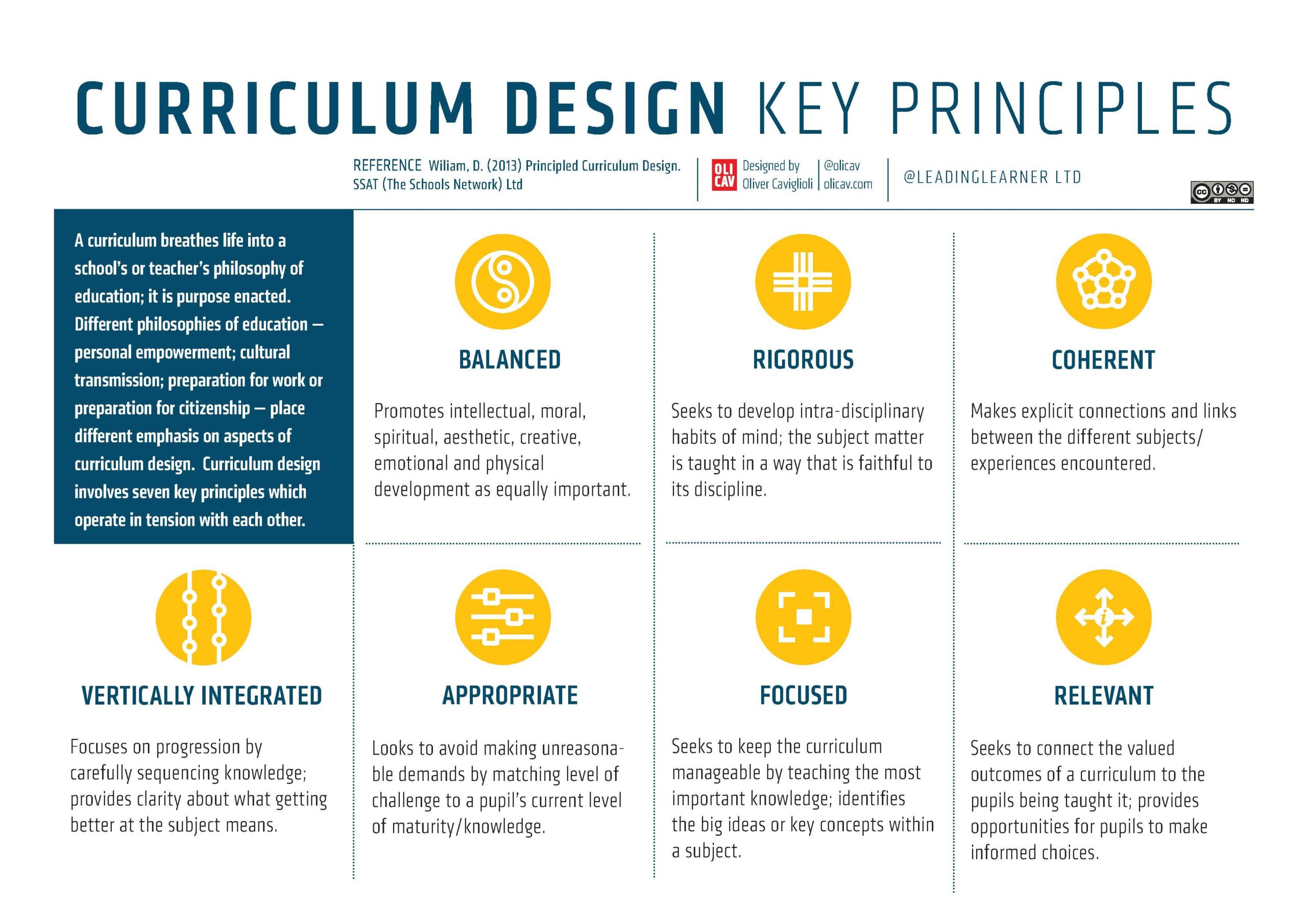
Curriculum Designer: Key Skills, roles, and How to Build a Winning Curriculum
Are you passionate about shaping the future of education technology and interested in a rewarding career as a Curriculum Designer in universities, colleges, or schools? This comprehensive guide will walk you through everything you need to know: from the critical skills you need to succeed to best practices in building innovative and impactful digital curricula. Whether you are new to the field or looking to transition into an edtech role, this article will provide you with in-depth insights and actionable tips to land your dream job as a Curriculum Designer.
What Does a Curriculum Designer Do in EdTech?
A Curriculum Designer in education technology (edtech) is a professional who develops, evaluates, and refines educational programs and digital courses for institutions like universities, colleges, and schools.By integrating advanced teaching methodologies with the latest technology,curriculum designers help create engaging,effective,and accessible learning experiences that meet the needs of today’s diverse learners.
Main Responsibilities:
- Designing and developing digital lesson plans,course structures,and learning modules
- aligning resources and content with educational standards and institutional goals
- Collaborating with faculty,subject matter experts,and technology teams
- Analyzing pedagogy effectiveness using data and feedback
- evaluating and integrating new educational technologies,platforms,and tools
- Conducting needs assessments and curriculum reviews for ongoing improvement
- Ensuring worldwide accessibility and inclusivity in digital learning materials
Key Skills Required for a Curriculum Designer Role
To thrive as a Curriculum Designer in education technology,you must possess a blend of pedagogical,technical,and soft skills. Here are some of the most sought-after skills by universities, colleges, and schools:
- instructional Design: Mastery of curriculum progress theories (such as ADDIE, SAM, or Backward Design) and experience in creating engaging e-learning materials.
- Educational Technology Acumen: Familiarity with learning management systems (LMS) like moodle, Canvas, Blackboard, and emerging edtech tools.
- Assessment and Evaluation: Skills in crafting formative and summative assessments that objectively measure learning outcomes.
- User Experience (UX) Design: Understanding of how students interact with digital content for optimal learning flow and retention.
- Project Management: ability to manage multiple projects concurrently, prioritize tasks, and meet deadlines.
- Collaboration and Communication: Expertise in working across departments and communicating ideas effectively to a diverse audience.
- Data Interpretation: Capacity to use analytics for refining and optimizing course content based on learner performance data.
- Adaptability: Staying updated with the latest pedagogy, technology trends, and adapting quickly to institutional needs.
- Creativity: Innovative thinking to design original and interactive curricula that boost engagement.
- Cultural competency: Designing content that reflects inclusivity and accommodates students from varied backgrounds.
How to Build a Winning Curriculum for EdTech
Creating an impactful digital curriculum involves a strategic approach that balances educational theory with practical technology integration.to stand out as a Curriculum Designer, follow thes step-by-step best practices:
1.Conduct a Thorough Needs Analysis
- Interview stakeholders: faculty, students, administrators
- Analyze current curricula’s strengths and gaps
- Establish clear, measurable learning objectives
2. Align with Standards and Institutional Goals
- Review national, state, and institutional learning standards
- Ensure curriculum supports accreditation requirements and target competencies
- Map out course objectives to program goals
3. Design Engaging and Accessible Content
- Structure content using a logical, learner-friendly flow
- Use a mix of multimedia: videos, interactive simulations, reading materials, and assessments
- Integrate accessibility principles (such as screen-reader compatibility and closed captions)
4. Implement Technology Thoughtfully
- Choose the right learning management systems and digital tools for your audience
- Ensure smooth integration with existing platforms
- Leverage analytics features to track student progress and engagement
5. Pilot, Evaluate, and gather Feedback
- Run a pilot version of the curriculum to a small group
- Collect feedback from students and instructors
- Assess learning outcomes against objectives
- Revise curriculum based on data-driven insights and user experience
6. Scale Up and Continuously Improve
- Roll out the curriculum to a broader audience
- monitor student outcomes and satisfaction regularly
- Refine and update content to align with new standards, feedback, or technological advancements
Benefits of a Curriculum Designer Career in EdTech
- High Demand: With the digital change in education, curriculum designers are increasingly sought after in universities, colleges, and K-12 schools.
- creative Impact: Shape the learning journeys of thousands of students with your innovative ideas.
- Versatility: Opportunities for remote work, contract positions, or full-time employment in academic institutions or edtech companies.
- Interdisciplinary Collaboration: Work with educators, technologists, and industry experts from diverse backgrounds.
- Continuous Learning: Stay at the forefront of education trends, technology, and effective teaching practices.
How to Launch Your Career as a Curriculum Designer in EdTech
If you’re ready to secure a Curriculum Designer job in education technology, follow these practical steps:
1. Gain Relevant Education and Certifications
- Bachelor’s or master’s degree in education,instructional design,educational technology,or related field
- Professional certifications (e.g., Certified Professional in Learning and Performance – CPLP, or Instructional Design certifications)
2. Build a Strong portfolio
- Showcase sample lesson plans,digital modules,or full-course designs
- Highlight your problem-solving process and measurable outcomes
3.Develop Technical Skills
- Learn to use popular authoring tools like Articulate Storyline, Adobe Captivate, or H5P
- Familiarize yourself with top LMS platforms and basic HTML/CSS for customization
4. Network in the EdTech Community
- attend education technology conferences, webinars, and workshops
- Join professional organizations and online forums
- Connect with faculty and edtech professionals at your target institutions
5. stay Up-to-Date with Trends
- Follow research on blended, flipped, and personalized learning
- Explore new developments in adaptive learning and artificial intelligence in education
- Regularly review leading edtech publications and blogs
Essential Interview Tips for Aspiring Curriculum Designers
- Showcase Your Process: Be prepared to walk interviewers through your curriculum design steps, decision points, and project management methods.
- emphasize Collaboration: Highlight real-life examples of working with cross-functional teams (tech,faculty,students).
- Demonstrate Impact: Use quantifiable results to show how your work improved learner outcomes, engagement, or efficiency.
- Discuss EdTech Tools: Reference specific technologies and adaptive approaches you’ve worked with and their influence on your design choices.
Conclusion
As universities, colleges, and schools accelerate their adoption of digital learning, the demand for skilled Curriculum Designers in education technology continues to soar. By developing key instructional design and edtech skills, building a solid professional portfolio, and staying at the forefront of educational innovation, you can make a meaningful impact on modern education. Take the next step in your career with confidence, knowing that your efforts will empower learners and shape the future of teaching and learning across diverse educational landscapes.