
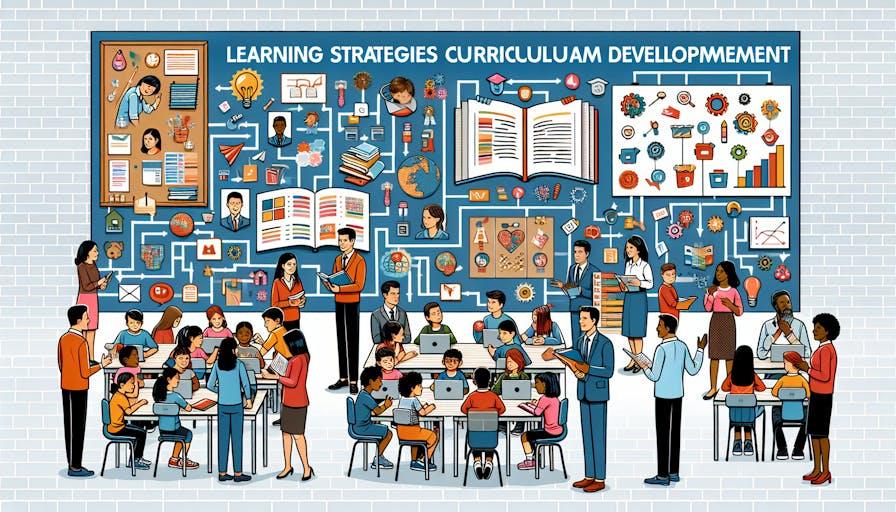
Curriculum designer: Key Skills, Roles, and How to Excel in Educational Program Development
Are you passionate about education and technology? Are you interested in shaping the way students learn at universities, colleges, or schools? If so, a career as a Curriculum Designer in education technology coudl be your dream job. As learning environments rapidly evolve, educational institutions require expert curriculum designers to develop effective, engaging, and innovative programs. This complete guide will walk you through the core roles, essential skills, professional benefits, and actionable tips to excel in educational program development.
What is a Curriculum Designer in Education Technology?
A Curriculum Designer in education technology specializes in the creation, revision, and management of learning materials and instructional programs. Working within universities, colleges, and K-12 schools, curriculum designers leverage the latest digital tools and pedagogical practices to enhance student outcomes. Their goal is to ensure that educational content is not only aligned with academic standards but also engaging, accessible, and adaptive to diverse learners.
Key roles and Responsibilities of a Curriculum Designer
The responsibilities of a curriculum designer can vary depending on the institution, student population, and subject area. However, most roles will include some or all of the following:
- Analyzing Educational needs: Conducting thorough needs assessments to identify gaps in existing programs and areas for enhancement.
- Curriculum Planning and Mapping: Designing course structures, learning outcomes, and assessment strategies that fulfill educational objectives.
- Developing Digital Content: Creating interactive multimedia materials, e-learning modules, and technology-enabled coursework.
- Aligning With Standards: Ensuring curriculum aligns with institutional, national, and international academic standards.
- Collaborating with stakeholders: Working closely with educators, administrators, subject matter experts, and IT teams to optimize instructional design.
- Training and Support: Providing professional development and support to teachers and faculty on curriculum implementation and technology integration.
- Assessing and Revising Materials: Using data and feedback to continuously improve and update educational resources.
Essential Skills for a Successful Curriculum Designer
succeeding as a curriculum designer in education technology requires a well-developed set of skills that blend pedagogy with digital expertise. Here are the top skills you need to thrive in this role:
- Instructional design: Mastery of instructional design models such as ADDIE,SAM,and Backward Design.
- Educational Technology Proficiency: Familiarity with learning management systems (LMS), authoring tools (e.g., Articulate, Captivate), and digital collaboration platforms.
- Project Management: Ability to manage multiple projects, meet deadlines, and coordinate with diverse teams.
- Analytical Skills: Adept at analyzing learning data, assessment results, and program effectiveness.
- Communication: Excellent verbal and written communication skills to articulate ideas, advocate for best practices, and provide training.
- Adaptability: openness to continuous learning and adapting to new technologies and pedagogical trends.
- Creativity: Innovative thinking in designing engaging and impactful learning experiences.
- Collaboration: Teamwork with educators, administrators, and technical staff to ensure curriculum success.
how to Excel as a Curriculum Designer in Educational Program Development
Standing out as a curriculum designer involves more than just technical ability. Here’s how to build a rewarding career in educational program development:
1. Stay Current with educational Trends and Technology
- regularly attend webinars, workshops, and conferences related to educational technology and curriculum design.
- Subscribe to leading education journals and communities for the latest research and innovations.
- Experiment with new digital tools and platforms to stay ahead of the curve.
2. Build a strong Professional Portfolio
- Document your best curriculum projects, including learning outcomes, instructional materials, and student assessment results.
- Showcase your experience in integrating technology with pedagogy.
- Collect testimonials from stakeholders to demonstrate the impact of your curricular designs.
3. Develop Specialized Expertise
- Consider specializing in high-demand areas like STEM, digital literacies, or online/blended learning environments.
- Pursue relevant certifications in instructional design or educational technology.
4. Cultivate Strong Relationships in the Education Sector
- Network with educators,administrators,and technology vendors.
- Join or contribute to professional associations in curriculum development or edtech.
- Volunteer for cross-departmental projects to broaden your institutional knowledge and experience.
5. Focus on Measurable outcomes and Assessment
- Prioritize creating curricula that are outcomes-based and easily measurable through data analytics.
- continuously assess student performance data to identify areas for improvement and showcase ROI to decision-makers.
6. Emphasize Learner-Centered Design
- Champion inclusive design practices for accessibility and diverse learning needs.
- Solicit and incorporate feedback from both instructors and learners.
Benefits of Working as a Curriculum Designer in Education Technology
Choosing a career as a curriculum designer in education technology offers numerous professional and personal rewards. Here are some key benefits to consider:
- High Demand and Job Security: Digital conversion in education has surged demand for skilled curriculum designers, offering good job security.
- Impactful Work: Directly influence student learning, engagement, and academic success across a wide population.
- Opportunities for Innovation: Use cutting-edge digital tools and approaches to reimagine traditional learning experiences.
- Diverse Work Settings: Employment opportunities range from universities and colleges to K-12 schools and online education providers.
- Professional Growth: Opportunities to specialize, move into leadership roles, or consult independently.
- Collaboration and learning: Work alongside passionate educators and technology specialists, continuously learning new strategies and skills.
Practical Tips for Landing a Curriculum Designer Job
If you’re eager to start your career as a curriculum designer in education technology,consider these actionable steps for job seekers:
- Customize your resume and cover letter to highlight relevant experience in digital curriculum development,instructional design,and technology integration.
- Showcase a portfolio that includes sample lesson plans, digital modules, and analytics on student outcomes.
- Leverage your network to learn about job opportunities at universities, colleges, and education technology companies.
- Prepare for interviews by practicing responses to scenario-based questions involving curriculum challenges and technology adoption.
- Demonstrate your understanding of compliance, accessibility, and data privacy standards in education.
Conclusion: Taking the Next Step Toward a Curriculum Designer Career
The role of a Curriculum Designer in education technology is both a challenging and highly rewarding career path. By mastering key skills, staying current with educational innovation, and actively contributing to the future of learning, you can make a significant impact in educational program development at universities, colleges, or schools. Are you ready to take your passion for education and technology to the next level? Start developing your skills, build your portfolio, and take the next bold step toward a thriving career as a curriculum designer in education technology.