
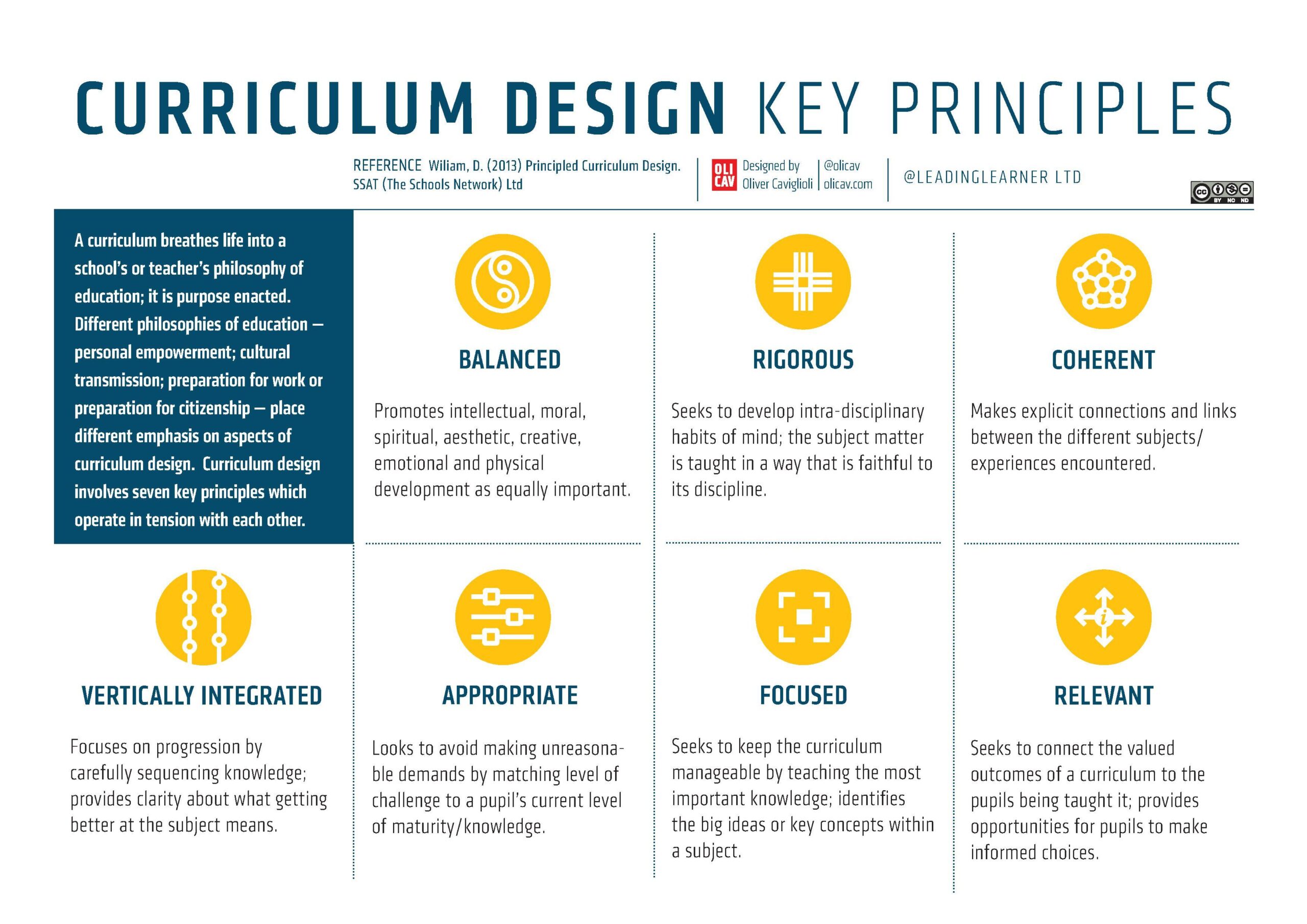
Curriculum designer: key Skills, Roles, and Tips for Effective Curriculum Development
The field of education technology is rapidly evolving, and curriculum designers play a pivotal role in shaping the learning experiences of students in universities, colleges, and schools. If you are considering a job in education as a curriculum designer, you’re making a smart move—this career path offers fulfillment, growth opportunities, and the chance to influence how future generations learn.
Introduction to the Role of a Curriculum Designer
A curriculum designer—frequently enough known as an instructional designer or educational technologist—focuses on creating, evaluating, and improving academic programs and learning materials. With the growing integration of education technology (EdTech) in classrooms, curriculum designers today must blend conventional educational theory with innovative tech-savvy approaches. This unique fusion ensures engaging,inclusive,and future-ready curricula across all educational levels.
What Does a Curriculum Designer Do?
Curriculum designers are responsible for more then just writing lesson plans.Their daily tasks may include:
- Conducting needs assessments to identify educational gaps among students.
- Developing course outlines, instructional materials, and digital resources tailored to diverse learning styles.
- Collaborating with educators, subject matter experts, and administrators to create cohesive programs.
- Integrating the latest education technology tools—such as learning management systems,interactive media,and online assessments.
- Evaluating and revising curricula based on feedback, assessment data, and educational trends.
- Ensuring alignment with institutional standards, accreditation requirements, and educational policies.
in short, curriculum designers are the creative minds behind high-impact education, shaping what and how students learn in both physical and digital classrooms.
Key Skills Every Curriculum Designer Needs
For anyone looking to work in this exciting role, mastering a variety of skills is essential. Here are the core competencies that top curriculum designers possess:
1. Instructional Design Expertise
- Understanding pedagogical theories and learning frameworks (such as Bloom’s Taxonomy and ADDIE model).
- Applying evidence-based practices to develop effective instructional materials.
2. EdTech Proficiency
- Familiarity with learning management systems (LMS) like Canvas, Blackboard, or Moodle.
- Comfort with e-learning authoring tools (articulate, Adobe Captivate, H5P, etc.).
- Knowledge of emerging technologies, including gamification and adaptive learning platforms.
3. Collaboration & Dialog
- working seamlessly in cross-functional teams with faculty, IT specialists, and administrators.
- Communicating complex ideas clearly to diverse stakeholders.
4. Analytical and Assessment Skills
- Collecting and interpreting data to assess curriculum impact and student outcomes.
- Using feedback loops to drive continuous improvement.
5. Creativity and Flexibility
- Designing engaging, inclusive, and innovative learning experiences.
- Adapting curricula for various learning modes: in-person, online, hybrid, or blended.
6. Project Management
- Planning and executing curriculum projects within deadlines and budget constraints.
Cultivating these skills will set you apart in the competitive education technology job market.
The Curriculum Designer’s Role in EdTech Innovation
Today’s curriculum designers are not just content creators—they are drivers of innovation in education technology. Their responsibilities frequently enough span:
- Championing the adoption of educational apps and digital learning environments.
- Assessing the value and effectiveness of new technology tools before integration.
- Training faculty and students to use new digital platforms and instructional software.
- Ensuring digital content accessibility for all learners, including those with disabilities.
By balancing pedagogical soundness with technological advancement, curriculum designers help institutions stay ahead in an ever-changing educational landscape.
Benefits of a Career in Curriculum Design
Job seekers exploring opportunities as curriculum designers in schools, colleges, and universities can look forward to several professional benefits:
- High Demand: With the surge in online and hybrid education, skilled curriculum designers are more essential than ever.
- Diverse Work Environments: opportunities abound in K-12 schools, higher education, training organizations, EdTech companies, and non-profits.
- Continual Learning: You’ll always be on the cutting edge of educational research, technology, and instructional methodologies.
- Impactful Work: Every curriculum you design can positively influence hundreds or thousands of learners.
- career Advancement: Curriculum designers can transition into leadership roles,such as instructional coordinators,directors of learning,or EdTech consultants.
Tips for Effective Curriculum Development
Whether you are entering the field or aiming to hone your craft, here are proven strategies for impactful curriculum design in the age of EdTech:
1. Start with Clear Learning Outcomes
- Define specific, measurable, achievable, relevant, and time-bound (SMART) learning objectives for each module or course.
2. Embrace Technology Mindfully
- Integrate digital tools that genuinely enhance engagement and understanding, rather than using technology for its own sake.
- Ensure technology choices are accessible and user-friendly for all learners.
3. Foster Active Learning
- Design interactive activities—discussions, projects, case studies, and simulations—to deepen comprehension.
4.Prioritize Inclusivity and Diversity
- Adapt content to reflect diverse perspectives and learning needs.
- Incorporate universal design for learning (UDL) principles.
5. Leverage Data-Driven Insights
- Collect and analyze student performance data to refine curriculum efficacy.
- Be open to revising content based on feedback and analytics.
6. Collaborate and Seek Feedback
- Engage with instructors, students, and peers to gather ideas and improve course materials.
- Regular feedback loops help transform good curricula into extraordinary ones.
How to Pursue a Job as a Curriculum Designer
Thinking about becoming a curriculum designer in the field of education technology? Here’s how to jumpstart your career:
- Obtain Relevant Qualifications: A bachelor’s or master’s degree in education, instructional design, or a related field is typically required. Specialized certifications in EdTech can also boost your profile.
- Build a Portfolio: Showcase curriculum projects, lesson plans, or digital courses you’ve developed. Include evidence of learning impact where possible.
- Network in the Field: Connect with education professionals, join associations, and participate in industry conferences to stay updated and discover job leads.
- Stay Tech-Savvy: Keep pace with the latest digital tools, platforms, and industry trends to enhance your value as a candidate.
- Highlight Transferable Skills: Communication, project management, collaboration, and problem-solving skills are highly valued in curriculum design roles.
Conclusion: Shaping the Future of Learning as a Curriculum Designer
As education continues to evolve with technology, curriculum designers are more vital than ever in creating engaging, accessible, and effective learning environments. With the right blend of instructional expertise, technological proficiency, and creative drive, you can make a real difference in how students learn and succeed—in K-12 schools, at universities, or in corporate training centers.
If you are passionate about education and eager to empower learners through innovative curriculum development, a rewarding role as a curriculum designer in the world of education technology might be the perfect fit for you.