
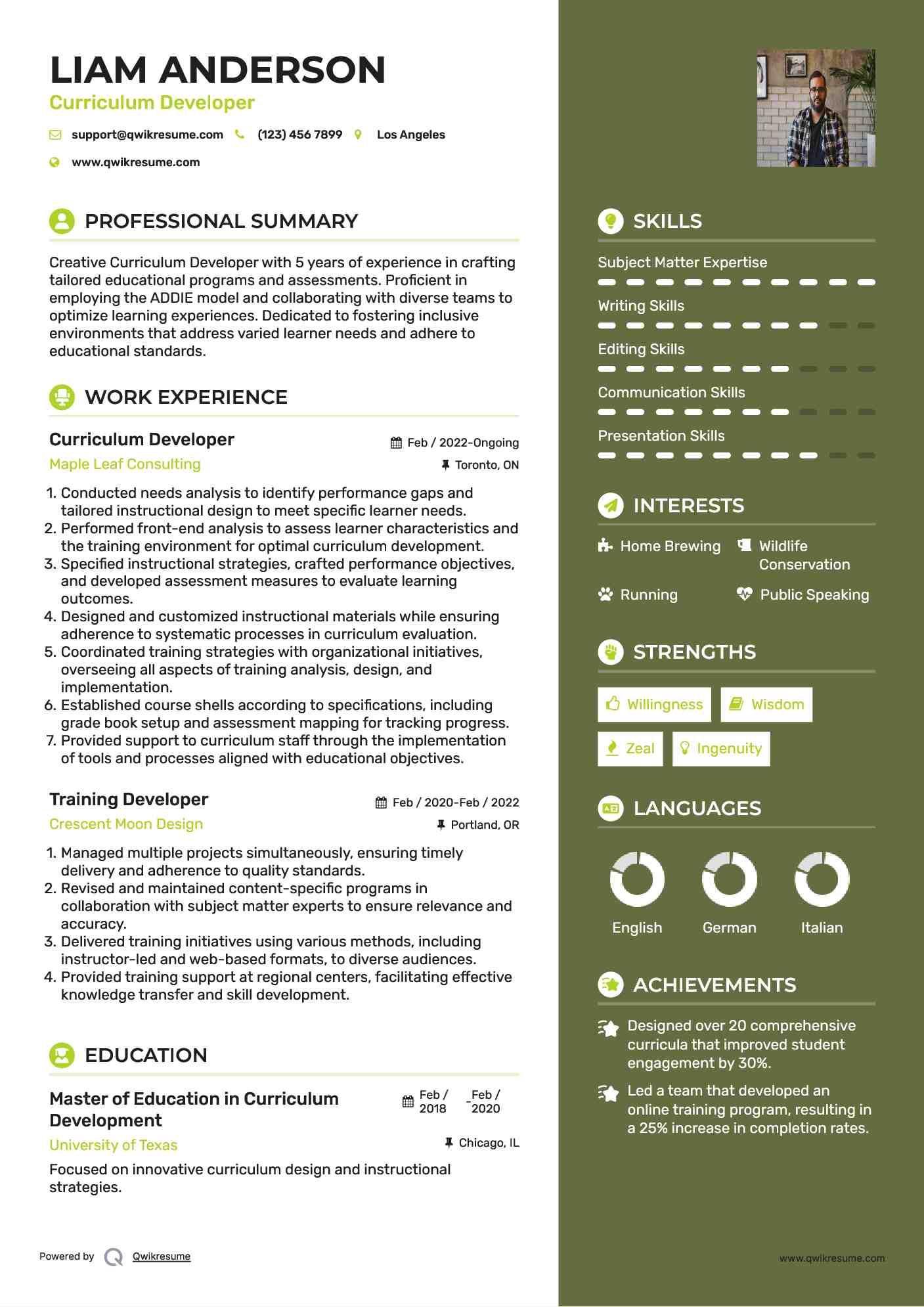
Curriculum Developer: Key Responsibilities, Skills, and Career Insights for EdTech roles
As the education landscape rapidly evolves with technology, the demand for skilled curriculum developers in universities, colleges, and schools is soaring.Today’s curriculum developer is not just a content creator but a visionary who fuses pedagogical expertise with technological innovation. If you’re a job seeker interested in pursuing an exciting career in education technology (EdTech), understanding this role’s nuances is crucial. This thorough guide explores the key responsibilities, essential skills, and practical insights for a successful career as a curriculum developer in EdTech.
What is a Curriculum Developer in Education Technology?
Curriculum developers (also known as instructional coordinators or curriculum designers) are education professionals responsible for designing, developing, implementing, and evaluating instructional materials and programs. In an EdTech context, their contribution is pivotal in shaping blended and online learning experiences that meet both institutional objectives and student needs.
Universities, colleges, and schools increasingly rely on curriculum developers to integrate digital tools, learning management systems, and innovative teaching practices into their programs. This role bridges the gap between subject matter expertise, technical tools, and effective pedagogy.
Key Responsibilities of a Curriculum Developer
The day-to-day duties of a curriculum developer in EdTech can be highly diverse, depending on the institution and project type. However, core responsibilities typically include:
- Needs Assessment: Analyzing student learning needs, institutional goals, and educational standards to inform curriculum design.
- Curriculum Design and Development: Creating course outlines, lesson plans, assignments, and assessments aligned with academic standards and digital delivery methods.
- Content Creation: Developing engaging digital content—such as videos, interactive modules, and e-learning activities—integrated into learning management systems.
- Technology Integration: selecting and incorporating appropriate EdTech tools,platforms,and multimedia resources to enhance learning outcomes.
- Instructional Material Evaluation: Continuously reviewing and revising instructional materials based on learner feedback and academic trends.
- Collaboration: Working closely with faculty, subject matter experts, IT professionals, and other stakeholders to ensure effective curriculum delivery.
- Professional Development: Designing and conducting training sessions for teachers and faculty on newly developed curricula and technologies.
- Quality Assurance: Ensuring curricula comply with accreditation requirements, accessibility standards, and institutional policies.
- Data Analysis: Collecting and analyzing learner performance data to inform ongoing curriculum improvements.
Essential Skills for a Successful Curriculum Developer
To thrive as a curriculum developer in educational technology, aspiring professionals require a blend of technical expertise, educational knowledge, and strong interpersonal abilities. Key skills include:
- Instructional Design: Mastery of curriculum development models (such as ADDIE or SAM), learning theories, and differentiated instruction principles.
- Digital Literacy: Proficiency in using various EdTech tools, learning management systems (LMS), authoring software, and digital collaboration platforms.
- Communication Skills: Ability to clearly articulate ideas and collaborate effectively with diverse teams.
- Project Management: Capable of managing multiple curriculum projects, meeting deadlines, and coordinating with stakeholders.
- Assessment and Evaluation: designing formative and summative assessments that measure student achievement and curriculum effectiveness.
- Creativity and Innovation: Developing engaging, interactive, and student-centered learning experiences using technology.
- Adaptability: Remaining agile and current with emerging education trends,digital learning practices,and pedagogical research.
- Attention to Detail: Ensuring accuracy and consistency in all curriculum components and supporting materials.
- Analytical Thinking: Utilizing data-driven approaches to enhance instructional design and measure learning outcomes.
Education and Experience Requirements
Curriculum developers in EdTech typically possess a combination of educational credentials and relevant experience:
- Education: A bachelor’s or master’s degree in education, instructional design, curriculum development, educational technology, or a related field is frequently enough required. Advanced degrees might potentially be preferred for university-level roles.
- Experience: Prior teaching experience or background in education is highly valuable. Experience with digital content creation, online instruction, or EdTech platforms is a plus.
- Certifications: Credentials such as Certified Professional in Learning and Performance (CPLP) or certificates in instructional design and technology can strengthen your profile.
Career Opportunities and Pathways in EdTech
The curriculum developer role offers a dynamic career path with opportunities for specialization and advancement in educational technology. Potential job titles and avenues include:
- instructional Designer
- Curriculum Coordinator
- Learning Experience Designer
- Education Technology Specialist
- Director of Curriculum and Instruction
- Online Course Developer
- Academic Program Manager
Universities and colleges often have dedicated curriculum roles focused on specific disciplines, distance education, or blended learning programs. K-12 schools increasingly value EdTech-experienced curriculum developers for integrating technology into statewide standards, STEM initiatives, and inclusive education efforts.
benefits of Working as a Curriculum Developer in edtech
Pursuing a career as a curriculum developer in education technology offers manny professional and personal rewards, such as:
- Making a Lasting Impact: Shape the educational experiences of students and foster meaningful learning outcomes.
- Continuous Learning: Stay at the forefront of educational practices and cutting-edge technology trends.
- Flexible Work Options: many institutions offer remote or hybrid roles, providing work-life balance.
- Collaboration and Leadership: Engage with diverse teams and contribute to transformative educational initiatives.
- Career Growth: Opportunities to advance into leadership, consulting, or specialized EdTech roles.
- Diverse Settings: Work with universities, colleges, K-12 schools, EdTech startups, or educational publishers.
Practical Tips for Aspiring Curriculum Developers
To build a successful career as a curriculum developer in EdTech, consider the following actionable tips:
1. Build a Strong Portfolio
- Showcase examples of instructional materials,digital content,and curriculum projects you have developed.
- Include links to e-learning modules,online courses,or multimedia resources.
2. Gain Practical Experience
- Volunteer to assist with curriculum design or digital content creation in your current educational setting.
- participate in internships,fellowships,or contract roles focused on edtech projects.
3. Stay Current with EdTech Trends
- Engage in continuous professional development through webinars, workshops, and conferences in instructional design and education technology.
- Learn about adaptive learning, gamification, artificial intelligence in education, and mobile learning strategies.
4.Network within the Education Technology Community
- Connect with industry professionals on platforms such as LinkedIn.
- Join associations or forums dedicated to instructional design and curriculum development.
5. Develop Technical Proficiency
- Master learning management systems (such as Canvas, Blackboard, or Moodle).
- Familiarize yourself with course authoring tools (Articulate Storyline, Adobe Captivate, etc.).
Challenges and How to Overcome Them
While the rewards are ample, curriculum developers may face challenges, including:
- Keeping Pace with Rapid Technology Changes: Maintain a growth mindset and commit to lifelong learning.
- Balancing Multiple Stakeholder Needs: Practise clear communication and foster collaborative working relationships.
- Ensuring Accessibility and Inclusivity: stay updated on accessibility standards (like WCAG) and design all materials with universal access in mind.
Conclusion: Launching Your EdTech Curriculum Developer Career
The role of curriculum developer in education technology is vital to shaping how students learn in today’s digital era. By combining instructional expertise, technological savvy, and a passion for impactful education, curriculum developers make a lasting difference across universities, colleges, and schools. as edtech continues to advance, pursuing a career in curriculum development offers dynamic opportunities, professional fulfillment, and the chance to drive meaningful innovation in teaching and learning.
Whether you’re transitioning from teaching, exploring new specialties in educational design, or just getting started, arming yourself with the right skills and insights will position you for success in this exciting EdTech field. Embrace the journey, keep learning, and be a catalyst for transformative educational experiences in the digital age.