
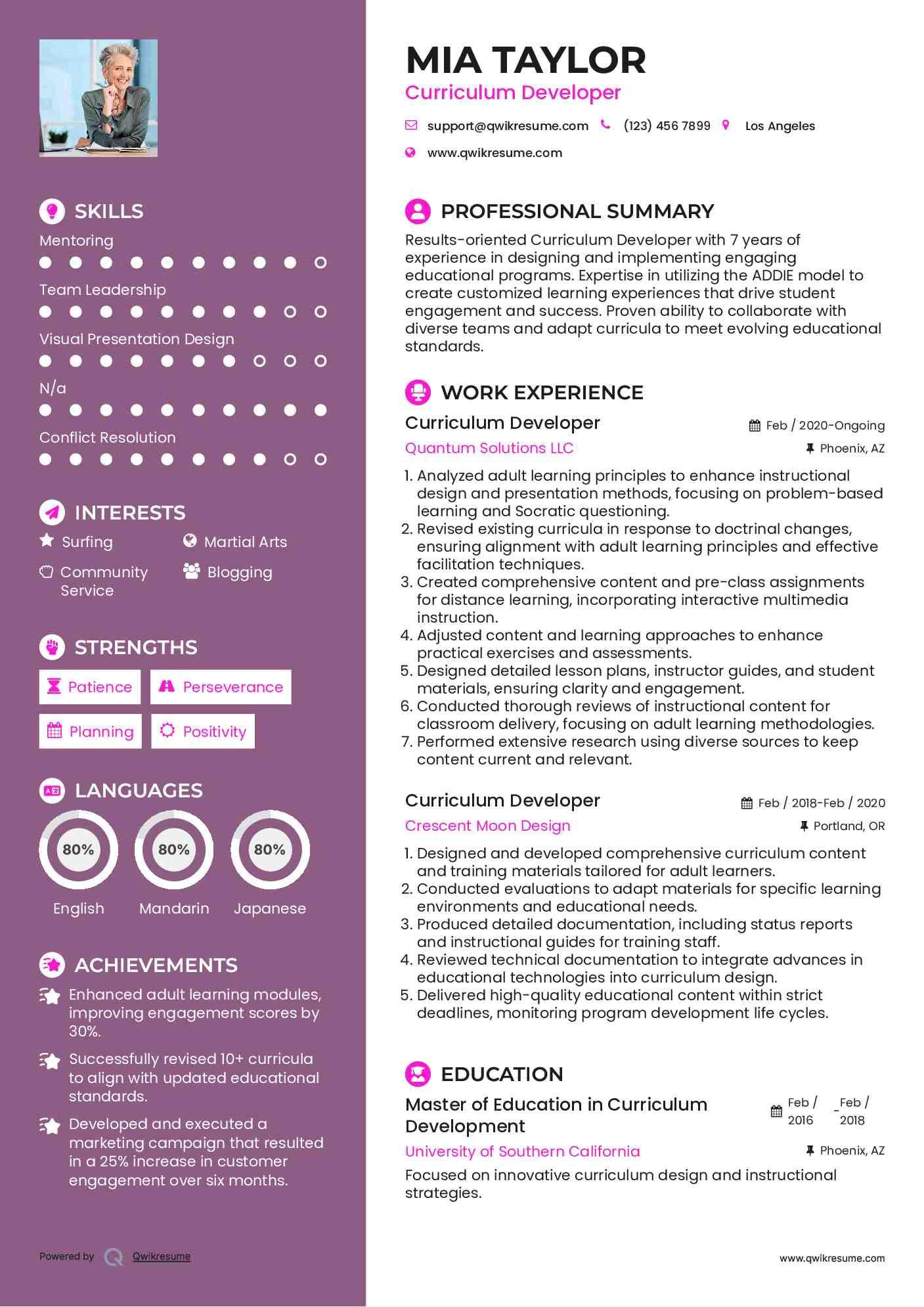
Curriculum Developer: Key Roles, Skills, and how to Excel in This vital Education Career
Are you passionate about shaping the future of education? Do you want to leverage technology to enhance learning experiences in universities, colleges, or schools? if so, a career as a Curriculum Developer in education technology might be the perfect path for you. This comprehensive guide will walk you through everything you need to know about this pivotal role,including responsibilities,required skills,benefits,and tips on how to stand out in today’s competitive EdTech job market.
What is a Curriculum Developer?
A Curriculum Developer, sometimes dubbed an Instructional Designer or Curriculum Specialist, is responsible for creating, implementing, and evaluating educational programs that align with institutional goals and the evolving needs of learners.In the context of education technology, Curriculum developers integrate digital tools, e-learning platforms, and innovative teaching strategies to foster engaging and effective learning environments in schools, colleges, and universities.
Key Roles and Responsibilities of a Curriculum Developer
Being a Curriculum Developer in the ever-evolving education technology landscape involves a blend of creativity, strategy, and technical expertise. Here are the primary duties you can expect in this role:
- Needs Assessment: Analyze institutional objectives and learner profiles to identify gaps and requirements for new or revised curricula.
- Curriculum Design: Develop comprehensive learning plans, encompassing lesson structures, assessments, multimedia resources, and technology integration.
- Content Creation and Curation: Author original instructional materials or curate existing digital resources that meet learning outcomes and engage students.
- Technology Integration: Select and implement EdTech tools such as LMS (Learning Management Systems), interactive modules, quizzes, and simulations to enhance the learning process.
- Collaboration: Work closely with teachers, subject matter experts, IT professionals, and academic leaders to ensure cohesive and scalable curricula.
- Assessment design: Create formative and summative assessment tools to measure student progress and curriculum effectiveness.
- Feedback and Iteration: Gather feedback from educators and learners, then iterate and refine instructional content to optimize learning outcomes.
- Professional Development: Deliver training and support to faculty and staff on new curricula, teaching technologies, and pedagogical techniques.
- Compliance and Standards: Ensure all educational content aligns with institutional policies, accessibility standards, and accreditation requirements.
Essential Skills for a Successful Curriculum developer
To thrive as a Curriculum Developer in education technology, you’ll need a mix of technical, pedagogical, and interpersonal skills. Here are some must-have competencies:
- Educational Theory: Strong understanding of learning theories, instructional methods, and curriculum design frameworks.
- Technology Proficiency: Hands-on experience with EdTech tools like Canvas, Blackboard, Moodle, Google Classroom, and authoring tools such as Articulate or Adobe Captivate.
- Project Management: Ability to plan, execute, and manage multiple curriculum projects and deadlines.
- Analytical Thinking: Skilled at using data analytics to evaluate curriculum effectiveness and inform improvements.
- Creativity and Innovation: Capable of designing engaging, interactive content that capitalizes on technology’s potential.
- Communication: Excellent written and verbal communication skills for sharing ideas, delivering training, and collaborating with diverse stakeholders.
- Adaptability: Willingness to learn about new educational technologies and trends as the EdTech field evolves rapidly.
- Attention to Detail: Commitment to accuracy in curriculum mapping, assessment creation, and standards alignment.
Educational and Professional Requirements
While requirements may vary between institutions, most universities, colleges, and schools expect the following qualifications for a Curriculum Developer role:
- Education: Bachelor’s degree in Education, Instructional Design, Educational Technology, or a related field; a Master’s degree is often preferred.
- Experience: Demonstrated experience in teaching, instructional design, curriculum development, or educational consulting.
- Certifications: Professional certifications such as CPLP (Certified Professional in Learning and Performance) or certificates in instructional design/EdTech can be beneficial.
Benefits of a Career as a Curriculum Developer
Pursuing a career in curriculum development within the education technology sector offers a multitude of personal and professional rewards:
- Impact: Make a tangible difference in the lives of learners by shaping modern, effective educational programs.
- diversity: Work with individuals across various disciplines and continually learn about new technologies and best practices.
- Innovation: Be at the forefront of educational change, influencing how institutions teach and students learn.
- Career Advancement: Opportunities to progress to leadership roles such as Director of curriculum or Chief Learning Officer.
- Adaptability: Many schools and universities offer hybrid or remote work options for curriculum professionals.
- Job Security: Growing demand for tech-savvy curriculum experts in education ensures stable and rewarding employment prospects.
How to Excel as a Curriculum Developer in Education Technology
To become a standout Curriculum Developer and advance your career in education technology, consider these practical strategies:
1. Stay current with EdTech Trends
Follow the latest developments in educational technology,such as artificial intelligence in education,personalized learning,gamification,and adaptive learning systems. Continuously mastering new tools enhances your ability to create innovative curricula that resonate with today’s digital-native students.
2. invest in Professional Development
Pursue ongoing training and attainable certifications in instructional design, online teaching, and project management. Attend EdTech conferences, webinars, and workshops to network with industry leaders and stay ahead of emerging trends.
3. Build a Diverse Portfolio
Document your curriculum projects, instructional materials, and technology integrations in a professional portfolio. Highlight practical examples of how you’ve improved learning outcomes through digital solutions—especially those tailored to university, college, or K-12 environments.
4. Cultivate Collaboration and Communication
Effective curriculum development is a team effort. Communicate clearly with educators, IT personnel, and administrators to ensure curriculum goals align with institutional strategies and student needs. Regularly solicit feedback and be open to iterative improvements.
5.Prioritize Accessibility and Inclusion
Design curricula that are accessible to all learners by following WCAG (Web Content Accessibility Guidelines) and incorporating global design for learning principles. ensuring equity in education is not only ethical—it’s a hallmark of exceptional curriculum development.
6. Harness Data-Driven Decision Making
Use analytics from Learning management Systems and other tools to assess student engagement and performance. Leverage these insights to refine instructional content and demonstrate curriculum impact to stakeholders.
Practical Tips for Job Seekers: Landing a Curriculum Developer Position
- Customize Your Resume and Cover Letter: Tailor your application to highlight relevant experience in instructional design, EdTech, and curriculum creation, emphasizing measurable outcomes.
- Demonstrate Real-World Impact: Use concrete examples of how you’ve improved learning results, incorporated technology, or enhanced instructional practices.
- Showcase tech Savviness: Clearly state your proficiency with popular EdTech platforms and curriculum authoring tools.
- Network with Industry Professionals: join online communities and professional associations for curriculum specialists and EdTech professionals.
- Prepare for Interviews: Be ready to discuss your instructional design process, project management skills, and ability to collaborate cross-functionally.
Conclusion
The role of a Curriculum Developer in education technology at universities, colleges, or schools is both critical and rewarding.By blending your pedagogical expertise with emerging technologies, you can drive meaningful educational change and inspire lifelong learning. With strong skills, a commitment to innovation, and a passion for student success, you can not only secure a job in this dynamic field but also thrive and grow throughout your edtech career journey.
If you’re ready to make a difference in the future of education, now is the ideal time to start—or advance—your career as a Curriculum Developer in the world of education technology.