
Curriculum Manager: Essential Guide to Streamlining Course Development and Educational Success
Are you passionate about educational technology and seeking an impactful career in curriculum development at universities, colleges, or schools? The role of a Curriculum Manager might be your perfect fit. As educational institutions rapidly adopt innovative digital tools, the demand for skilled curriculum managers who can bridge the gap between pedagogy and technology continues to grow. in this extensive guide, you’ll learn all about the responsibilities, skills, benefits, and practical steps to succeed as a curriculum manager in the EdTech landscape.
What is a Curriculum Manager?
A Curriculum Manager is an educational professional responsible for designing,developing,and overseeing academic programs and courses,ensuring they align with institutional standards and leverage modern technology for optimal learning outcomes. In the context of education technology jobs, curriculum managers work closely with teachers, instructional designers, and EdTech vendors to integrate digital tools and resources that elevate student engagement and achievement.
Key Responsibilities of a Curriculum Manager
The curriculum manager’s role varies based on the educational setting but typically includes a wide range of duties,such as:
- Curriculum Development: Designing coherent and standards-aligned course content that meets academic goals and industry requirements.
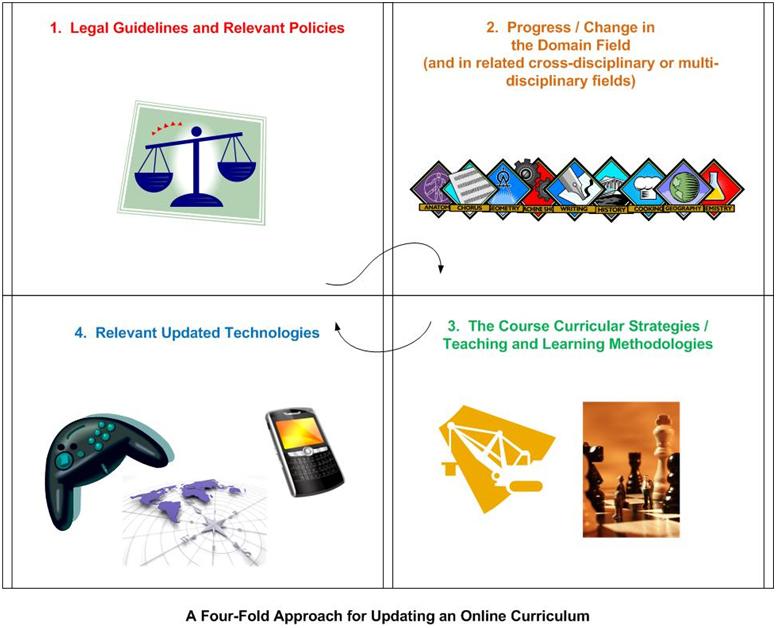
- Technology Integration: Selecting and incorporating digital learning platforms, adaptive software, and multimedia tools to enhance curriculum delivery.
- Faculty Collaboration: Liaising with instructors, administrators, and instructional designers to revise and update course materials continuously.
- Quality Assurance: Monitoring and evaluating the effectiveness of academic programs using data-driven methods and assessment analytics.
- Professional Development: Organizing training sessions for educators on new technologies and curriculum innovations.
- Compliance: Ensuring all curricula comply with accreditation standards, governmental regulations, and institutional policies.
- Resource Management: Overseeing the budget and allocation of curriculum development resources, including EdTech subscriptions and training materials.
Required Skills and Qualifications for curriculum Managers
To secure an education technology job as a curriculum manager, you’ll need a combination of academic credentials, technical expertise, and soft skills. Here’s what employers typically seek:
- Educational Background: A bachelor’s or master’s degree in education, instructional design, curriculum development, or a related field (higher education preferred for universities and colleges).
- EdTech proficiency: Familiarity with Learning Management Systems (LMS) such as Canvas, Blackboard, Moodle, or Google Classroom.
- Project Management: Experience managing projects, deadlines, and collaborative teams effectively.
- Analytical Skills: Ability to assess curriculum outcomes using data analysis tools and adjust strategies accordingly.
- Communication Skills: Strong written and verbal communication to articulate complex ideas to diverse stakeholders.
- Problem-Solving: Creative thinking to overcome challenges in curriculum design and technology integration.
- Collaboration: Teamwork skills are essential, as curriculum managers frequently work with faculty, IT, and administration.
Benefits of Becoming a Curriculum Manager in EdTech
Choosing a career as a curriculum manager offers multiple rewards, both professionally and personally. here are some of the top benefits:
- Impactful Contribution: Shape the educational experiences of thousands of students by designing inclusive and effective curricula.
- Dynamic Work Habitat: Work at the intersection of technology and education, embracing constant learning and innovation.
- Career Mobility: opportunities to progress into higher administrative or director-level roles within academic institutions or EdTech companies.
- Job Security: The ongoing digital transformation in education creates sustained demand for skilled curriculum managers.
- Professional Development: Access to conferences, training, and networking events to stay updated on the latest trends in education technology.
- Collaborative culture: Enjoy working with passionate educators, subject matter experts, and technology specialists.
Career Pathways and Advancement Opportunities
Starting as a curriculum manager opens doors to various advancement opportunities in the EdTech sector and academic administration. The typical career progression includes roles such as:
- Senior Curriculum Manager
- Director of Curriculum Development
- Instructional Design Lead
- Academic Program Director
- Chief academic Officer
Additionally, some curriculum managers transition into consulting roles with EdTech companies or contribute to educational policy development.
Practical tips for Landing a Curriculum Manager Job in Education Technology
Ready to take the next step toward a rewarding curriculum manager job? Here are some actionable strategies:
- Enhance Your Technical Skills: Enroll in professional development courses focusing on digital curriculum design, assessment tools, and leading LMS platforms.
- Build a Digital Portfolio: Showcase sample course designs, technology integration projects, and successful curriculum implementations.
- Network Actively: attend EdTech conferences, webinars, and local workshops to connect with industry professionals and potential employers.
- Highlight Leadership Experience: On your resume, emphasize past roles where you led curriculum projects or facilitated teacher training.
- Stay Informed: Regularly read industry publications to keep up with the latest advancements in education technology and pedagogical best practices.
- Tailor Your application: Customize your cover letter and resume for each position,addressing the specific needs and requirements of the institution.
Essential Qualities of an Outstanding Curriculum Manager
While credentials and technical skills are crucial, the most successful curriculum managers exhibit a unique set of personal attributes that foster excellence:
- Visionary Thinking: Able to anticipate educational trends and adapt curriculum accordingly.
- Empathy: Understand the challenges that educators and students face, ensuring curriculum is inclusive and accessible.
- Attention to Detail: Consistently review and refine course content for clarity, relevance, and accuracy.
- adaptability: Responsive to rapid technological changes and iterative feedback from diverse stakeholders.
The Future of Curriculum Management in EdTech
as hybrid and online learning models become standard in higher education and K-12 schools, the role of the curriculum manager will keep evolving. Key trends shaping the future include:
- Personalized Learning: Leveraging analytics and adaptive technology to customize learning experiences for individual students.
- Data-Driven Decision Making: Using real-time performance data to inform curriculum redesign and instructional support.
- Collaboration with edtech Startups: Partnering with industry leaders to pilot and refine new educational tools and resources.
- Focus on Digital Literacy: Ensuring students and faculty are equipped with the skills to navigate digital learning environments effectively.
Conclusion: Shaping the Future of Education as a Curriculum Manager
If you’re passionate about educational innovation and eager to play a pivotal role in improving academic outcomes, pursuing a career as a Curriculum Manager in EdTech could be your ideal path. This dynamic position empowers you to design transformative learning experiences, collaborate with cutting-edge technology providers, and influence the direction of modern education. With the right skills, mindset, and commitment to continuous learning, you can make a meaningful impact on students, faculty, and entire institutions. Now is the time to channel your passion and expertise into a fulfilling curriculum management role that shapes the future of teaching and learning.