
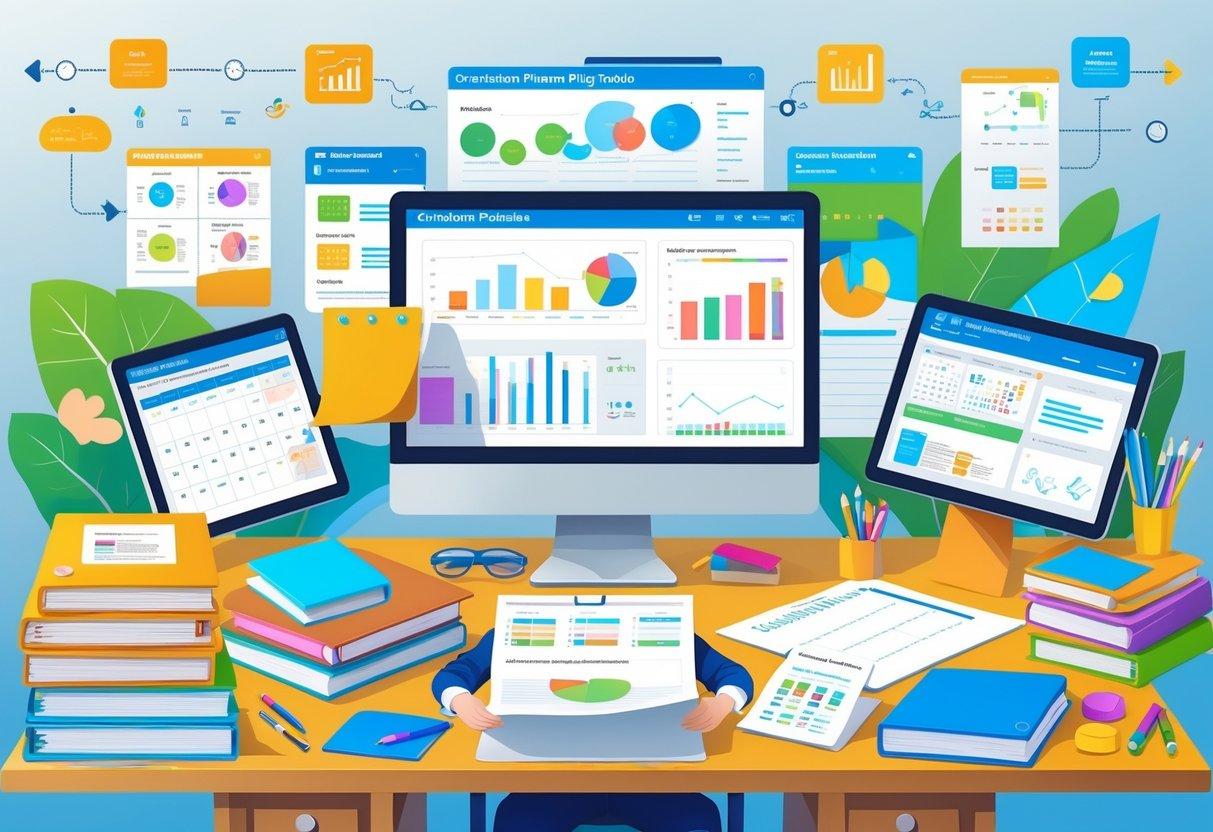
curriculum manager: Essential Skills and Tools for Successful Education Planning
Are you passionate about shaping the future of education? Do you aspire to play a pivotal role in developing and improving academic programs at universities, colleges, or schools? The career of a Curriculum Manager is rapidly evolving, thanks to the integration of education technology and data-driven planning. In this extensive guide, we’ll cover the vital skills, best practices, and essential tools to thrive as a Curriculum Manager, helping you prepare for a rewarding career in education planning.
Understanding the Role of a curriculum Manager
Curriculum Managers are responsible for the progress, evaluation, and management of academic programs. These professionals ensure that curricula remain up-to-date, align with educational standards, and incorporate innovative teaching methodologies. In today’s landscape, Curriculum Managers must also harness the power of education technology to optimize learning experiences and meet diverse student needs.
- Design and update course content
- Collaborate with faculty and stakeholders
- Analyze educational trends and data
- Implement and support technology-enhanced learning
- Monitor curriculum effectiveness and compliance
Pursuing a position in curriculum management demands unique competencies to help educational institutions stay agile and competitive.
Key Skills Every Curriculum Manager Should have
Effective curriculum management draws upon a balanced mix of leadership, analytical, technical, and organizational skills. here’s a breakdown of the top competencies required to excel in this dynamic profession:
1.Educational Program Design
- Understanding pedagogy and curriculum frameworks
- Mapping learning objectives to course content
- Integrating standards-based education requirements
2. Data Analysis and Assessment
- Evaluating student performance data
- Using analytics to guide instructional improvements
- Conducting curriculum reviews with actionable insights
3. Technology Integration
- Implementing learning management systems (LMS)
- Using digital assessment tools and analytics platforms
- Leveraging educational software for content creation
4. Leadership and Collaboration
- Leading cross-functional curriculum committees
- facilitating professional development for faculty
- Communicating effectively with stakeholders
5. Project and Time Management
- Managing multiple curriculum projects simultaneously
- Ensuring timely delivery of course updates
- Setting and tracking key milestones
Essential Tools for successful Education Planning
Mastering modern education planning requires familiarity with robust digital tools. Below are some of the moast critical technologies and platforms for Curriculum Managers:
Learning Management Systems (LMS)
- Centralize course and curriculum materials
- Track learner progress and outcomes
- Enable blended and remote learning environments
Curriculum Mapping Software
- Align curriculum objectives with standards
- Visualize gaps and overlaps in course offerings
- Streamline curriculum development workflows
Assessment and Analytics Tools
- Gather data on student achievement
- Analyze assessment results for curriculum refinement
- Generate actionable reports for stakeholders
Collaboration Platforms
- Facilitate teamwork among faculty and administrators
- Organize curriculum review meetings and document sharing
- Sustain ongoing communication and feedback loops
Staying technologically savvy enhances your effectiveness and position as a leader in curriculum management.
Benefits of Pursuing a Career as a Curriculum Manager in Education Technology
The intersection of curriculum management and education technology offers significant professional and personal rewards:
- impact: drive meaningful improvements in teaching and learning outcomes.
- Growth Opportunities: Expand your skill set in both education and cutting-edge technology.
- Collaboration: Work closely with passionate educators and administrators.
- Innovation: Champion the integration of digital solutions in academic planning.
- Job Security: Remain relevant in a rapidly advancing education sector.
This career path is ideal for individuals who thrive in collaborative environments and wont to make a lasting difference in education.
Practical Tips for Aspiring Curriculum Managers
Preparing for a role as a Curriculum Manager in universities, colleges, or schools involves targeted professional development and career planning.Consider these practical steps:
Build Your Educational Foundation
- Pursue relevant degrees, such as Education, Curriculum and Instruction, or educational Leadership.
- Obtain certifications in instructional design or education technology to stand out in the job market.
Stay current on Education Technology Trends
- Follow emerging digital tools and methods, such as AI in education or adaptive learning technologies.
- Join professional associations and attend education technology conferences.
Strengthen Your Project Management Skills
- Gain experience leading academic projects and curriculum committees.
- Explore project management software to help organize and track initiatives.
Network with Education Professionals
- Engage with peers on online forums, social media groups, or professional organizations.
- Seek out mentorship or partnership opportunities within your institution or industry.
Demonstrate Impact Thru Your Resume and Portfolio
- Showcase successful curriculum projects and technology integrations.
- Highlight measurable results, such as improved student outcomes or streamlined processes.
A strategic approach to skills development and professional engagement will set you apart in curriculum management job searches.
Common Challenges and How to Overcome Them
Curriculum Managers frequently face obstacles in education planning, especially as technology and expectations evolve. By anticipating and proactively responding to these challenges, you can ensure successful outcomes:
Resistance to Change
- Foster open dialog about the benefits of curriculum updates and technology adoption.
- Provide targeted professional development to support transitions.
data Privacy and Security
- Implement robust data protection measures when using digital platforms.
- Stay updated on privacy regulations and compliance requirements.
Budget Constraints
- Prioritize high-impact technology investments.
- Seek grants or alternative funding sources for curriculum innovation.
Diverse Stakeholder Needs
- Regularly consult with faculty, students, and governance to identify priorities.
- Maintain transparent communication channels throughout the planning process.
Effective Curriculum Managers utilize adaptive leadership and problem-solving strategies to navigate these challenges.
Preparing for Curriculum Manager Roles: Resume and Interview Tips
Standing out in the competitive education technology job market means presenting your qualifications in a compelling and targeted manner:
Resume Tips
- Emphasize your experience with curriculum design, evaluation, and technology integration.
- Use quantifiable achievements and action verbs.
- Highlight your familiarity with key tools: LMS, curriculum mapping software, analytics platforms.
Interview Tips
- Be prepared to discuss specific curriculum planning scenarios you’ve solved.
- Showcase your leadership and communication style through examples.
- Demonstrate your knowledge of current education technology trends.
Tailor your application to reflect the evolving demands of curriculum management in higher education and K-12 settings.
Conclusion: Taking the Next Step in Your Education Technology Career
Becoming a Curriculum Manager offers an exciting possibility to blend education theory, technology innovation, and strategic leadership. By mastering essential skills, utilizing cutting-edge tools, and adopting effective planning strategies, you can drive meaningful change in your institution and excel in a rapidly growing field. Weather you’re preparing for a role at a university, college, or school, a proactive approach to professional development and technology integration will position you for long-term success as a leader in education planning.
Ready to embark on your journey? Start enhancing your qualifications today, and set your sights on a future where you shape impactful academic programs for generations of learners!