
Curriculum Manager: Key Responsibilities, Skills, and Career Path Explained
Introduction
Are you passionate about education and technology? A career as a Curriculum Manager in education technology at universities, colleges, or schools might be the perfect fit for you. In today’s rapidly evolving academic landscape, Curriculum Managers play a pivotal role in designing, implementing, and updating learning programs that integrate the latest EdTech tools and methodologies. This comprehensive guide explores the core responsibilities, essential skills, advantages, practical tips, and career paths for aspiring Curriculum managers, ensuring you have all the information needed to embark on this rewarding profession.
What is a curriculum Manager?
A curriculum Manager is an educational professional who strategizes,develops,and oversees the implementation of curricula to ensure academic excellence and relevance in both traditional and digital learning environments. With the rise of education technology, Curriculum Managers are instrumental in integrating digital tools, platforms, and resources into academic programs at schools, colleges, and universities. They ensure that instructional materials meet educational standards, address student needs, and take advantage of cutting-edge technology.
Key responsibilities of a Curriculum Manager
The role of a curriculum Manager in education technology is dynamic and multifaceted. Below are the major responsibilities you can expect in this position:
- Curriculum Design: Develop,revise,and align academic programs with institutional goals,state or national standards,and industry trends.
- Integration of Technology: Implement education technology tools (such as learning management systems, digital content, and interactive resources) into curricula to enhance teaching and learning experiences.
- Collaboration with Stakeholders: Work closely with faculty members, instructional designers, subject matter experts, and technology teams to create cohesive educational experiences.
- Quality Assurance and Evaluation: Monitor and assess the effectiveness of curriculum initiatives, using data-driven insights to recommend improvements.
- Professional Advancement: Provide training and support for educators on curriculum changes, new instructional technologies, and best practices.
- Compliance and Accreditation: Ensure that programs adhere to governmental regulations, accreditation requirements, and institutional guidelines.
- Resource Management: Allocate and oversee the use of instructional materials and digital resources within budgetary constraints.
- Research and Innovation: Stay up-to-date on the latest trends in education technology and pedagogy to continually enhance curriculum effectiveness.
Essential Skills and Qualifications for Curriculum Managers
To excel as a Curriculum Manager in education technology, mastering a blend of educational, technical, and interpersonal skills is critical. Here are the core competencies to develop:
- Educational Background: Bachelor’s or master’s degree in education, instructional design, curriculum development, educational technology, or a related field.
- Curriculum Development Expertise: In-depth knowledge of curriculum design principles, assessment strategies, and instructional methodologies.
- Technology Proficiency: Familiarity with learning management systems (LMS), online learning platforms, digital authoring tools, and data analytics.
- Project Management: Ability to oversee projects, manage timelines, allocate resources, and coordinate teams to meet project goals.
- Analytical Thinking: Strong skills in analyzing data, interpreting assessment results, and utilizing feedback for continuous improvement.
- Leadership and Communication: demonstrated leadership abilities with excellent verbal and written communication skills to collaborate with diverse stakeholders.
- Adaptability: Willingness to embrace change, learn new technologies, and respond to evolving educational needs.
Career Path and Growth Opportunities
A position as a Curriculum Manager opens doors to numerous opportunities in the education sector, especially as technology continues to reshape learning. Here is a typical career path for curriculum professionals in education technology:
- start as an Educator or Instructional Designer: Many Curriculum Managers begin their careers as teachers, instructional designers, or EdTech coordinators, gaining hands-on experience in the classroom or with curriculum tools.
- Curriculum Development Specialist: Progress to roles focused on designing and evaluating curricula for subjects or grade levels.
- Curriculum Manager: Oversee curriculum strategies at the school, college, or university level, often with broader managerial responsibilities.
- Director of Curriculum and Instruction: Lead cross-departmental curriculum initiatives, supervise teams, and drive institutional educational strategies.
- Senior Leadership Roles: Positions such as Chief Academic Officer or Dean of Academics may be attainable with extensive experience and demonstrated impact in curriculum management.
growth prospects are strong,with increasing demand for EdTech integration in all levels of education. Continuous professional development is essential,including attending workshops,earning advanced certifications,and staying informed about the latest trends in educational technology.
Benefits of Being a Curriculum Manager in EdTech
Pursuing a career as a Curriculum Manager in education technology comes with multiple advantages:
- Influence Education: Play a significant role in shaping the learning experiences and future success of students.
- Professional Growth: Opportunities to expand your skills in technology, project management, and educational governance.
- Dynamic Work Environment: Collaborate with educators, technologists, and administrators in a stimulating and innovative atmosphere.
- Job Security: As technology becomes integral to education, skilled Curriculum managers will remain in high demand.
- Flexible Career Options: Positions are available in K-12 schools, higher education, private educational organizations, and EdTech companies.
- Competitive Compensation: Curriculum Managers typically receive attractive salaries that reflect their specialized expertise and leadership roles.
Practical Tips for Aspiring Curriculum Managers
If you are considering a career as a Curriculum Manager in education technology,these actionable tips can accelerate your journey:
- Gain Practical experience: Work on curriculum projects,volunteer for curriculum committees,or collaborate on digital learning initiatives.
- Expand Your Education: Enroll in professional development courses in instructional design, education technology, or project management.
- Build Your Network: Connect with other curriculum professionals, EdTech specialists, and academic leaders through conferences and online forums.
- Stay Tech-Savvy: Regularly explore new edtech tools and platforms, and experiment with ways to enhance teaching and learning.
- Showcase Your Skills: Create a digital portfolio featuring curriculum projects, instructional designs, and tech-enabled learning experiences you have developed or led.
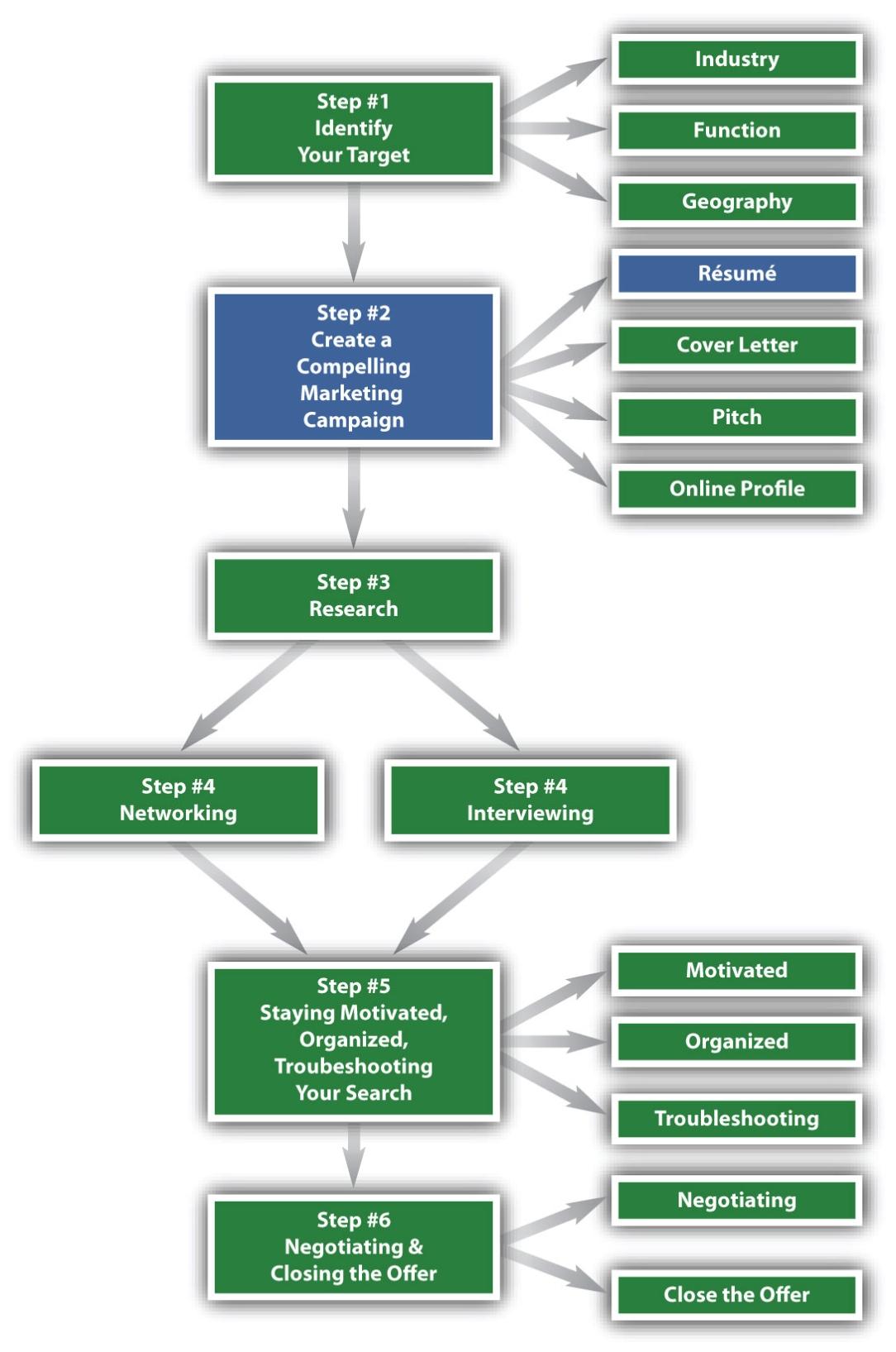
- Target the Right Opportunities: Tailor your resume and cover letter for education technology roles in universities, colleges, or schools, highlighting your curriculum management and EdTech integration expertise.
- Prepare for Interviews: Be ready to discuss your approach to curriculum design, technology integration, team leadership, and impact measurement.
Conclusion
The role of a Curriculum Manager in education technology at universities,colleges,or schools offers a unique and fulfilling opportunity to shape the future of learning.By developing in-demand skills, gaining relevant experience, and staying ahead of EdTech trends, you can excel in this influential position and make a lasting impact on the educational landscape.Whether you are an experienced educator looking to broaden your horizons or a tech enthusiast eager to enhance academic programs, pursuing a Curriculum Manager career in education technology promises both professional and personal growth. Start preparing today, and take the first step toward a rewarding and impactful future in EdTech.