
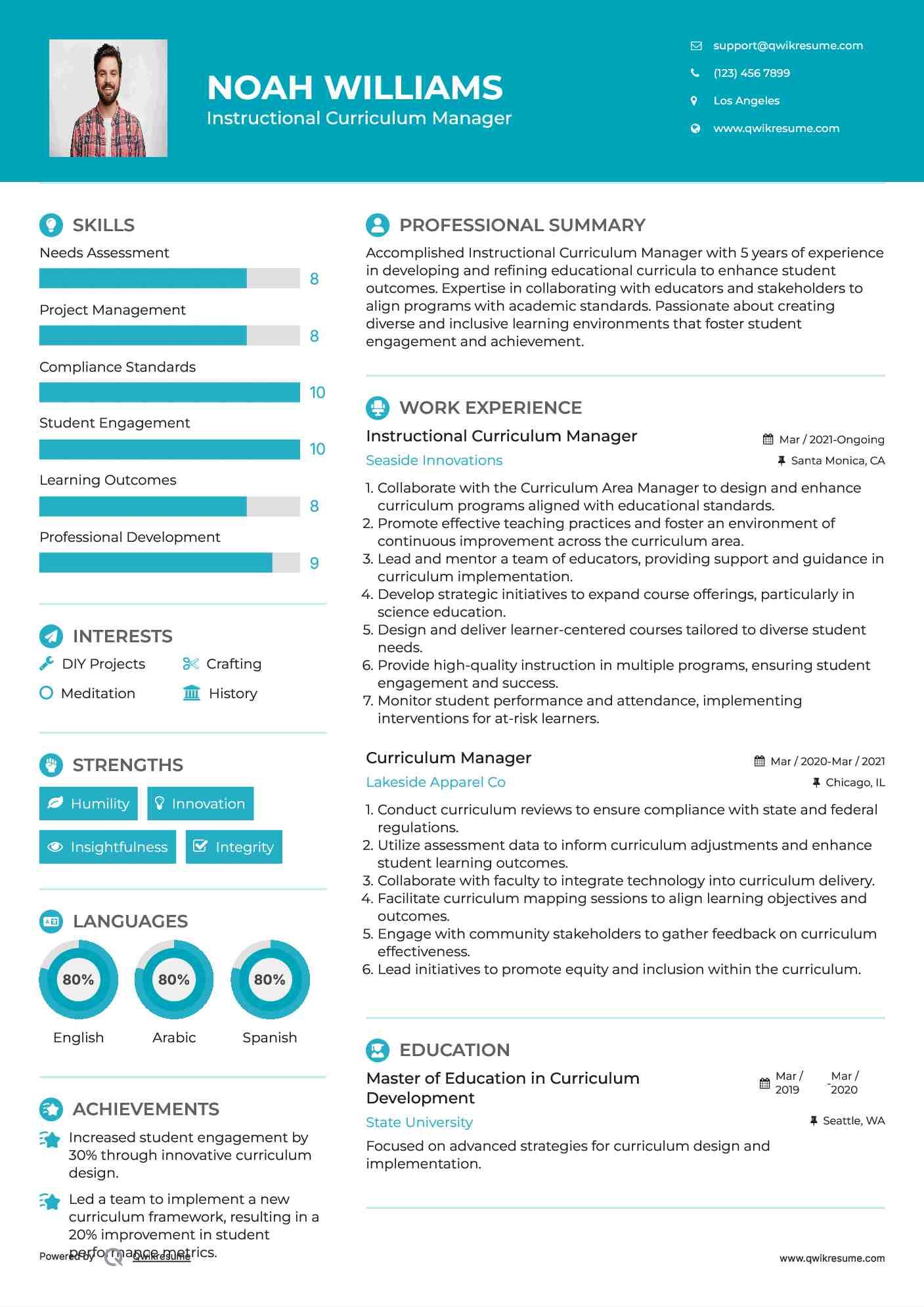
Curriculum Manager: Key Roles, Skills, and Best Practices for Effective Curriculum Management
Are you passionate about shaping the future of education and technology? A Curriculum Manager role in education technology might be the perfect career path for you. With the rapid evolution of digital learning tools,universities,colleges,and schools are actively seeking professionals who can design,implement,and maintain impactful curricula tailored for modern learners. This extensive guide will explore the main roles, key skills, and proven best practices every aspiring Curriculum Manager should know to excel in education technology environments. Whether you’re looking to advance yoru career or make a fresh start in EdTech, this article will provide you with all the essential facts to thrive in curriculum management roles.
What is a Curriculum Manager in Education Technology?
A Curriculum Manager is a pivotal education professional responsible for developing, organizing, and overseeing academic programs.In the context of education technology, Curriculum Managers work closely with instructional designers, faculty, and technology teams to create dynamic, technology-driven learning experiences. They ensure curricula align with institutional goals, comply with accreditation standards, and leverage the latest digital tools to enhance learning outcomes.
Primary Roles and Responsibilities of a Curriculum Manager
- Curriculum Development: Design, update, and refine course content to meet current academic standards and the evolving needs of students and staff.
- Integration of Educational Technology: Incorporate digital tools, learning management systems (LMS), and interactive resources to support effective teaching and learning.
- Stakeholder Collaboration: Work collaboratively with faculty, instructional designers, subject matter experts, IT teams, and governance to ensure curriculum coherence and relevancy.
- Assessment and Evaluation: Develop methods to assess curricular effectiveness, monitor student performance data, and initiate instructional improvements based on feedback and analytics.
- Quality Assurance: Ensure academic programs meet institutional standards, regulatory requirements, and accreditation expectations.
- Professional Development: Support teacher and faculty training on new technologies, curriculum updates, and pedagogical strategies.
- resource Management: Allocate budget, time, and personnel to achieve optimal curriculum delivery and implementation.
- Change Management: Anticipate and manage transitions in curriculum, technology integration, or educational policies to minimize disruption and foster innovation.
Key Skills and Qualifications for Curriculum Managers in EdTech
To secure a curriculum management position in education technology, candidates must demonstrate a unique mix of academic, technological, and leadership abilities. The following skills are crucial:
Core Competencies
- Instructional Design: Proficiency in structuring online and blended learning experiences, using models such as ADDIE or SAM.
- Technological Savvy: Familiarity with learning management systems (e.g., Canvas, Blackboard, Moodle), e-learning authoring tools, and emerging digital education platforms.
- Project Management: Ability to lead projects, set timelines, delegate tasks, and coordinate cross-functional teams.
- Analytical Thinking: Use of data and educational metrics to inform decision-making and continuous improvement.
- Communication Skills: Strong verbal and written skills for effective stakeholder engagement and documentation.
- Problem-Solving: Creative approaches to overcoming challenges in curriculum alignment, technology use, and resource management.
Preferred Education and Experiance
- Bachelor’s degree in Education, Instructional Design, Educational Technology, or a related field (a master’s degree is highly regarded).
- Experience teaching or developing educational programs, notably online or blended formats.
- Certifications in Project Management (e.g., PMP) or instructional technology are an advantage.
- Understanding of education standards (e.g., Common Core, state or national frameworks) and accreditation processes.
Benefits of a Curriculum Manager Career in Education Technology
The role of Curriculum Manager in the education technology sector offers numerous professional and personal rewards, including:
- Career Growth: Demand for skilled curriculum managers is increasing as educational institutions expand their digital learning portfolios.
- Impactful Work: Drive innovations that shape teaching practices and student experiences at a large scale.
- Variety of Opportunities: Work in diverse settings, from K-12 schools to higher education and corporate training environments.
- Continuous Learning: Stay abreast of emerging EdTech trends and collaborate with thought leaders in the field.
- Competitive Compensation: Enjoy attractive salaries and benefits, often with opportunities for advancement.
Best Practices for Effective Curriculum Management in EdTech
Succeeding as a Curriculum Manager requires more than just knowledge; it’s about applying best practices to ensure curriculum effectiveness and adaptability.Here are some practical strategies:
1. Foster a Collaborative Culture
- Engage faculty, students, IT staff, and external partners in curriculum development and review processes.
- Solicit regular feedback and encourage open communication to identify strengths and areas for improvement.
2. Embrace Data-Driven Decision Making
- Use analytics from learning management systems and assessment tools to monitor student progress and curriculum impact.
- Implement evidence-based changes to enhance instructional effectiveness and student engagement.
3. Stay Current with EdTech Trends
- Participate in professional development workshops, webinars, and conferences on the latest educational technology innovations.
- Experiment with emerging tools such as AI-driven personalized learning platforms, VR/AR content, and mobile learning solutions.
4. Ensure Equity and Accessibility
- Design curricula that are inclusive, culturally responsive, and accessible for students with diverse backgrounds and abilities.
- apply Universal Design for Learning (UDL) principles and follow accessibility standards for all digital materials.
5. Continuous Improvement and Flexibility
- Regularly review and update the curriculum to reflect changing educational standards, industry demands, and technological advancements.
- Adopt agile methodologies to manage rapid transitions and continuously refine processes.
Practical Tips for aspiring Curriculum Managers in Education Technology
- Build a strong portfolio: Showcase sample syllabi, curriculum maps, and digital learning artifacts.
- Network actively: Connect with EdTech professionals, join associations, and participate in online forums for continued learning and job opportunities.
- Seek mentorship: Learn from experienced curriculum managers about effective practices, challenges, and success stories.
- Develop soft skills: Cultivate adaptability, empathy, and leadership qualities vital for managing change and fostering innovation.
- Stay informed: Subscribe to EdTech publications and institutional newsletters to keep pace with new trends and policies.
Conclusion
In today’s digitally driven academic landscape,the role of the Curriculum Manager has never been more vital. As educational spaces evolve with technology, skilled curriculum managers are needed to steer institutions towards high-quality, engaging, and accessible learning experiences. By mastering the key roles, acquiring essential skills, and embracing best practices highlighted in this guide, you can position yourself as a top candidate for curriculum management jobs in education technology. Embark on your journey to make a meaningful difference in education, and open new doors to professional fulfillment in this exciting and ever-evolving field.