
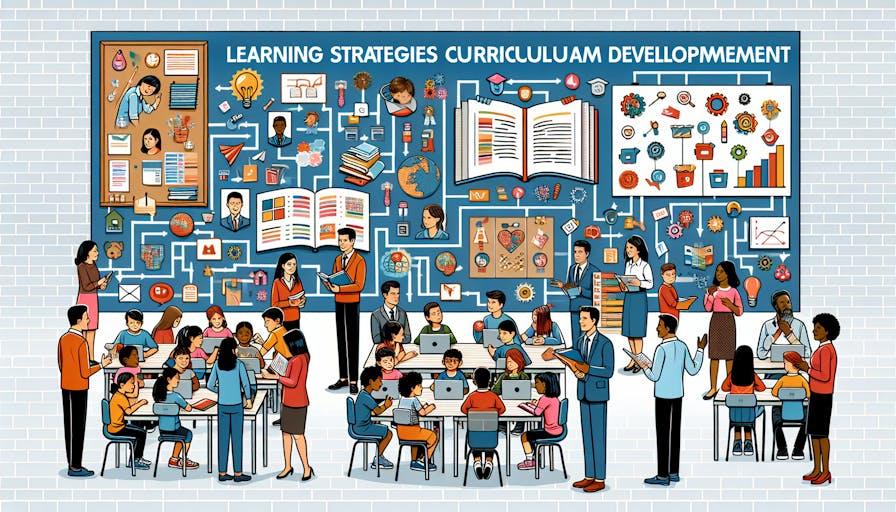
Curriculum Manager: Key Roles, skills, and Strategies for Educational Success
Are you passionate about shaping the future of education through innovative curriculum design and technology integration? Pursuing a role as a Curriculum Manager at a university, college, or school offers the possibility to have a lasting impact on student learning and academic excellence.This extensive guide covers the key roles, must-have skills, and effective strategies for job seekers interested in becoming a Curriculum Manager in the education technology sector. Whether you’re exploring new career paths or aspiring to advance in your current role, read on to discover actionable insights and tips for success.
What Is a curriculum Manager?
A Curriculum Manager is an educational leader responsible for overseeing, developing, and improving curricula to ensure alignment with institutional goals, standards, and the latest education technology trends. Curriculum Managers collaborate with faculty,administrators,and IT experts to create engaging,effective,and inclusive educational experiences. Their work drives academic quality, fosters learner engagement, and prepares students for success in a rapidly changing world.
Key Roles and Responsibilities of a Curriculum Manager
Curriculum Managers play a multifaceted role in educational institutions. Their responsibilities typically include:
- Curriculum Development & Design: Creating,reviewing,and updating curriculum frameworks to reflect current research,technology,and best practices.
- Technology integration: Incorporating digital tools, platforms, and instructional technologies to enhance teaching and learning.
- stakeholder Collaboration: Working with teachers, professors, administrators, and IT teams to gather feedback and ensure curricula meet institutional goals.
- Quality Assurance: evaluating curriculum effectiveness through data analysis, student outcomes, and feedback surveys.
- Compliance & Accreditation: Ensuring curricula align with educational standards, accreditation requirements, and regulatory guidelines.
- Professional Development: Leading training for faculty on new curricula,technological innovations,and pedagogical best practices.
- Resource management: Allocating educational resources,digital content,and budgeting for curriculum projects.
- Continuous Improvement: Iterating curriculum based on emerging trends in education technology and feedback from stakeholders.
Essential Skills for Curriculum Managers in Education Technology
Successful Curriculum Managers possess a blend of pedagogical expertise, technical proficiency, and strong leadership abilities.Here are the core skills required:
- Instructional design: Knowledge of curriculum mapping, learning objectives, and assessment techniques.
- Technology Literacy: Proficiency with Learning Management Systems (LMS), digital collaboration tools, and multimedia content creation.
- Project Management: Organizational skills to manage multiple curriculum projects, set deadlines, and allocate resources effectively.
- Analytical Thinking: Ability to interpret data, evaluate student outcomes, and make evidence-based decisions.
- Dialog: Clear documentation, report writing, and interpersonal skills to build consensus among diverse stakeholders.
- Leadership & Training: Ability to mentor faculty, lead workshops, and drive institutional change.
- Adaptability: Willingness to embrace new technologies, pedagogical models, and respond to evolving educational needs.
- problem-Solving: Creative solutions to curriculum challenges, technology integration issues, and achieving learning goals.
How to Become a Curriculum Manager: Practical Steps
If you’re aiming to land a Curriculum Manager job at a school, college, or university, consider these actionable steps:
- Gain Relevant Qualifications:
- Bachelor’s or Master’s degree in education, instructional design, curriculum development, or related fields.
- Specialized training in education technology or digital learning platforms is highly advantageous.
- Develop Technical Skills:
- Master key education technology tools, such as Google Classroom, Canvas, Blackboard, or Moodle.
- Stay updated with trends in blended learning, e-learning, and virtual classrooms.
- Build Professional Experience:
- Start in teaching, instructional design, or educational administration roles.
- Seek projects involving curriculum review, digital content development, or technology integration.
- Showcase Your Leadership Abilities:
- Volunteer for committee work, lead professional development sessions, or present at education conferences.
- Network Within the Education Technology Sector:
- Attend edtech seminars, join professional associations, and connect with Curriculum Managers on social media.
- Prepare an Impressive Application:
- highlight curriculum projects, technology integration examples, and leadership achievements in your resume and cover letter.
- Demonstrate outcomes, such as improved student performance, increased engagement, or successful digital rollouts.
- Engage in Lifelong Learning:
- Pursue certifications in instructional technology, curriculum mapping, or data-driven education practices.
benefits of Working as a Curriculum Manager in Education Technology
The role of Curriculum Manager is both challenging and rewarding. Here are some key benefits:
- Influence Student Outcomes: Drive innovation in teaching and learning, directly affecting academic success.
- Lead Change: Be a catalyst for adopting the latest education technologies and transformative pedagogical approaches.
- Collaborative Environment: Work with passionate educators, administrators, and tech specialists.
- Professional Growth: Develop strategic leadership, project management, and advanced technology skills.
- Career Adaptability: opportunities exist in K-12 schools, colleges, universities, online learning platforms, and edtech companies.
- Personal Fulfillment: Make a meaningful contribution to the future of education and the success of learners from diverse backgrounds.
Practical Tips for Excelling as a curriculum Manager
Whether you’re new to the role or looking to advance,implementing these strategies will help you thrive as a Curriculum Manager:
- Stay Updated: Subscribe to education technology journals,blogs,and attend webinars regularly.
- Foster Open Dialogue: Encourage feedback from faculty and students to continuously improve curriculum.
- Promote Inclusivity: Ensure your curricula are accessible and equitable for all learners.
- Leverage Data: Use analytics to monitor progress, identify gaps, and drive continuous enhancements.
- Champion Training: Design targeted professional development for staff to ensure effective technology adoption.
- Embrace Creativity: Innovate with multimedia, gamification, and new pedagogical models.
- Document Successes: Keep track of curriculum milestones and student achievements for sharing with stakeholders and career advancement.
Challenges Faced by Curriculum Managers and How to Overcome Them
Certain obstacles are common in curriculum management, especially when technology is involved. Address these challenges proactively by:
- Managing Resistance to change: Lead with empathy, communicate the benefits of new curricula, and address concerns transparently.
- Balancing Conflicting Needs: Collaborate to find common ground among faculty, administration, and student interests.
- Ensuring Accessibility: Prioritize technologies and teaching strategies that accommodate all learners, including those with disabilities.
- Handling Budget Constraints: Seek cost-effective edtech solutions and partner with vendors offering educator discounts.
Career Advancement Opportunities
As you progress in your Curriculum Manager career, consider expanding your impact and exploring related leadership positions:
- Director of Curriculum and instruction
- Academic Technology Coordinator
- Instructional Design Lead
- education Consultant
- Chief Academic Officer
Building expertise in curriculum management and technology integration opens doors to senior educational leadership and consultancy roles both within and beyond your institution.
Conclusion: Your Path to Educational Success as a Curriculum Manager
Being a Curriculum Manager in education technology at universities, colleges, or schools is a career filled with opportunities for growth, innovation, and meaningful impact. By mastering curriculum design, embracing technology, and developing strong collaboration skills, you can lead educational change and shape the learning experiences of thousands.
Whether you’re just starting out or looking to take your curriculum management career to the next level, the insights in this article will empower you to thrive. Stay informed, nurture your passion, and step confidently into this rewarding leadership role—your contribution will help define the future of education.