
Curriculum Manager: Key Skills, Roles, and Best Practices for Effective Education Leadership
The landscape of education is evolving rapidly with the integration of technology and innovative pedagogical approaches. consequently, institutions like universities, colleges, and schools are increasingly seeking dedicated professionals to manage and enhance their academic programs. One of the most pivotal roles in this domain is that of the Curriculum Manager. If you are a job seeker interested in making a difference in education technology, understanding the ins-and-outs of a Curriculum Manager position is crucial. In this complete guide, we’ll explore the essential skills, core responsibilities, and best practices for excelling as a Curriculum Manager.
What is a Curriculum Manager?
A Curriculum Manager is an educational professional responsible for designing, implementing, evaluating, and updating academic programs to meet institutional goals, accreditation requirements, and the needs of today’s learners.With the advent of educational technology, the role often involves integrating digital resources, e-learning tools, and data-driven decision-making into curriculum growth. Curriculum Managers work across various educational institutions, including universities, colleges, and K-12 schools, ensuring the quality and relevance of instructional content and delivery methods.
Key Skills for a Successful Curriculum Manager
To thrive in a Curriculum Manager role, especially in education technology environments, professionals should develop a blend of technical, pedagogical, and interpersonal skills. Here’s what top institutions typically seek:
- Curriculum Design Expertise: Ability to create and modify academic programs that align with educational standards, institutional missions, and industry trends.
- Digital Literacy: Proficiency in using learning management systems (LMS), curriculum mapping software, and educational technology tools.
- Analytical skills: data-driven mindset for assessing programme effectiveness through feedback, assessment results, and learning analytics.
- Project Management: Organizational and leadership abilities to oversee multiple curriculum initiatives, deadlines, and collaborative teams.
- collaboration and Interaction: Strong skills in working with faculty, administrators, students, and external stakeholders.
- Change management: Capacity to manage transitions, such as the adoption of new materials, technology, or pedagogical models.
- regulatory Knowledge: Understanding of accreditation standards, educational policies, and institutional requirements.
- Assessment Design: Designing meaningful assessments that measure learning outcomes and guide instructional improvements.
Core Roles and Responsibilities of a Curriculum Manager
The responsibilities of a Curriculum Manager may vary depending on the institution, but generally encompass a wide array of crucial tasks:
1. Curriculum Development and Review
- Design and update curricula to meet evolving academic standards and learner needs.
- Ensure alignment between instructional objectives, course materials, and assessment strategies.
- Leverage research and feedback for continuous enhancement.
2. Educational Technology Integration
- Identify and implement edtech solutions that enhance teaching and learning experiences.
- Support faculty in the adoption and effective use of technology.
- Stay updated on current trends in online, blended, and hybrid learning models.
3. Stakeholder Collaboration
- Work with academic leaders, instructional designers, and IT teams.
- Facilitate curriculum committees and workshops for feedback and professional development.
- Engage students to understand their learning experiences and needs.
4. Quality Assurance and Compliance
- Monitor curriculum effectiveness through quantitative and qualitative data.
- Ensure compliance with accreditation bodies and regulatory standards.
- Prepare reports and documentation for audits and internal reviews.
5.Resource Management
- Manage budgets and resources for curriculum projects.
- Source appropriate digital and print educational materials.
- Plan and coordinate professional development for teaching staff.
Benefits of the Curriculum Manager Role in EdTech-Enriched Settings
Working as a Curriculum Manager in an education technology environment presents several unique advantages:
- Professional Growth: Continuous learning through exposure to new edtech tools and pedagogical methods.
- Impact on Learning: Ability to shape educational programs that make a tangible difference in student outcomes.
- Collaborative Network: Opportunities to work with a diverse team of educators,technologists,and leaders.
- Innovation Opportunities: Drive transformative change by pioneering new approaches and digital learning environments.
- Leadership Experience: develop high-demand skills in leadership, project management, and policy implementation.
Essential Best Practices for Effective Curriculum Management
For those aspiring to excel as Curriculum Managers, adopting a set of proven best practices can substantially enhance both program quality and personal effectiveness:
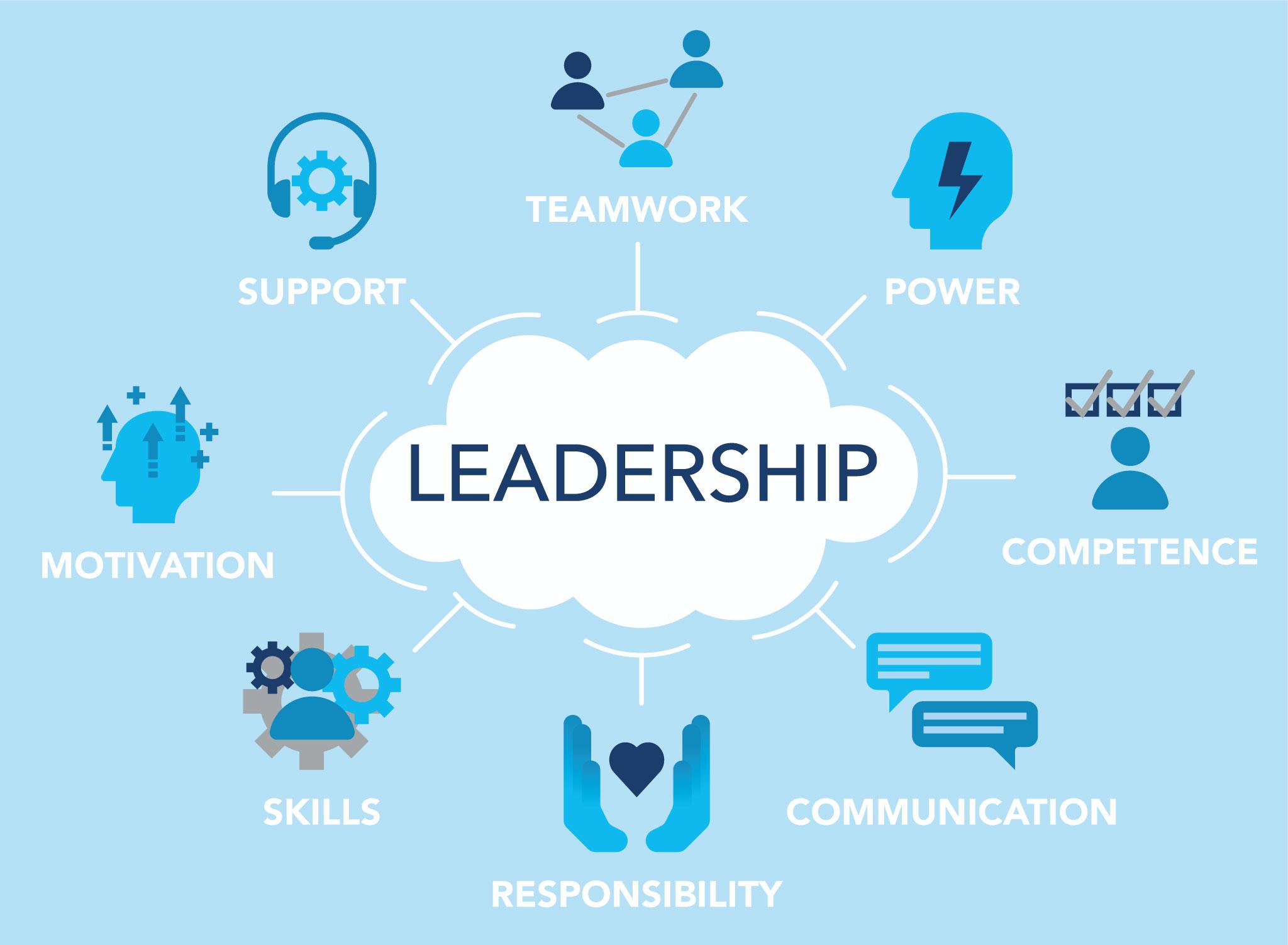
- Embrace Collaborative Leadership: Involve faculty, students, and admins in curriculum development for a richer, more relevant learning experience.
- Utilize Data-driven Decision Making: Regularly gather and analyze learner performance data to inform curriculum adjustments.
- Prioritize Flexibility: Design curricula that allow for adaptability as technology and learning needs evolve.
- Foster Continuous Professional Development: Promote and participate in training on the latest educational technologies and instructional strategies.
- Focus on Student-Centered Approaches: ensure curricula are designed to engage and support learners from diverse backgrounds and abilities.
- Ensure Compliance and quality Standards: Maintain ongoing alignment with accreditation requirements and institutional policies.
- Promote Inclusivity: Design curricula that are accessible to all students, including those with special educational needs.
Practical Tips for Aspiring Curriculum managers in Education Technology
If you’re considering a career as a Curriculum Manager in a university, college, or school, here are actionable steps to set yourself apart:
- Enhance Your Qualifications: Consider pursuing an advanced degree in curriculum and instruction, education technology, instructional design, or a related field.
- Build Experience with Learning Technologies: Gain hands-on experience with leading LMS platforms, digital assessment tools, and interactive content creation.
- Stay Informed: Follow industry news, research, and communities on curriculum trends and edtech innovations.
- Network: Join professional associations such as education technology or curriculum development organizations to connect with peers and find mentorship.
- Demonstrate Leadership: Volunteer to manage or contribute to curriculum projects, committees, or pilot technology programs within your current role.
- Highlight Achievements: On your resume and in interviews, showcase successful curriculum projects, technological integrations, and measurable outcomes.
Conclusion: The Impact and Opportunities of a curriculum Manager
Embracing a role as a Curriculum Manager in the education technology sector opens doors to meaningful leadership, creative collaboration, and direct impact on learners’ lives. With the right mix of skills,a commitment to best practices,and a passion for innovation,you can shape the future of education in universities,colleges,and schools. Whether you’re just starting on your journey or seeking to refine your expertise, the Curriculum Manager role offers a rewarding pathway rich with prospect for growth and fulfillment in the dynamic world of education technology.