
Cybersecurity in Educational Institutions: Essential Strategies for Protecting Data and Students
The digital transformation sweeping through schools,colleges,and universities worldwide brings tremendous opportunities for learning,collaboration,and governance. However, it also introduces growing vulnerabilities that demand serious attention. cybersecurity in educational institutions is no longer optional—it’s a necessity to protect sensitive data, safeguard students, and ensure uninterrupted learning.In this comprehensive guide, we’ll explore the importance of cybersecurity in schools, highlight key threats facing educational settings, and provide actionable strategies for protecting both data and the people who depend on it.
Why Cybersecurity in Educational Institutions Matters
Today’s education sector manages a wealth of sensitive data—including student records, financial information, and proprietary research. With the rise of remote learning, cloud-based applications, and device proliferation, the attack surface grows larger every year. Cybercriminals target schools because they often lack resources and awareness, making them easy prey for data breaches, ransomware attacks, and phishing campaigns.
- Student Privacy: Unauthorized access to student data can lead to identity theft, cyberbullying, and long-term reputational harm.
- Institutional Reputation: Breaches damage public trust, disrupt operations, and could result in significant legal consequences.
- Financial Impact: Data breaches can lead to costly fines, remediation actions, and loss of funding.
Common Cybersecurity Threats in Educational Settings
To develop an effective cybersecurity strategy, it’s critical to understand the major threats facing educational institutions. Here are some of the most common risks:
- Phishing Attacks: Malicious emails trick faculty, staff, or students into revealing login credentials or downloading malware.
- Ransomware: Attackers encrypt a school’s data, demanding payment to restore access. High-profile cases have shut down entire school systems.
- Data Breaches: Unauthorized access to sensitive student or staff records can result in stolen identities and privacy violations.
- Unsecured Devices: Bring Your Own Device (BYOD) policies increase the complexity of protecting endpoints, especially when devices aren’t kept updated.
- Weak Passwords: Poor password hygiene makes it easy for attackers to penetrate networks.
- Outdated Software: Unpatched systems and software vulnerabilities are common in institutions operating on tight budgets.
Essential Cybersecurity Strategies for Educational Institutions
Proactive cybersecurity in schools and universities means layering multiple defenses to minimize risks.Below, we outline essential strategies for keeping your data and students safe:
1. prioritize Cybersecurity Education and Awareness
- Regularly train staff, faculty, and students on recognizing phishing attempts and suspicious behavior.
- Incorporate cybersecurity principles into the curriculum to foster digital literacy from an early age.
2. implement Robust Access Controls
- Adopt Multi-Factor Authentication (MFA) for all staff and students to add an extra layer of security.
- Use role-based access management to ensure only authorized individuals can access sensitive data.
3. Keep Software and Systems Updated
- regularly patch operating systems, applications, and firmware to close security vulnerabilities.
- Automate updates whenever possible to reduce human error.
4. Safeguard Endpoints and Networks
- Deploy advanced endpoint protection and firewalls across all devices.
- Monitor network traffic for unusual activity that could indicate a breach or malware infection.
5. Regular Data Backups and Encryption
- Securely back up important data frequently and store backups offsite or in a secure cloud surroundings.
- Encrypt sensitive data at rest and in transit to prevent access by unauthorized parties.
6. Conduct Security Audits and Penetration Testing
- Schedule regular independent security assessments to identify weaknesses and test defenses.
- Address any issues uncovered promptly with corrective action plans.
7. Develop and Practice Incident Response Plans
- Craft a detailed incident response plan that includes communication protocols and recovery steps.
- Simulate cyberattack scenarios to ensure staff and students know how to react quickly and effectively.
8. Implement Content Filtering and Monitoring
- Use web filters to block access to malicious or inappropriate content on school networks.
- Monitor digital activity to detect and address suspicious behavior as quickly as possible.
Benefits of Strong Cybersecurity in Schools and Universities
Adopting comprehensive cybersecurity strategies yields significant advantages beyond data protection. Here are some of the most impactful benefits for educational institutions:
- Enhanced Student Safety: Reduces risks of cyberbullying, identity theft, and exposure to harmful content.
- Operational Continuity: Protects against disruptions caused by ransomware and other attacks.
- Regulatory compliance: helps meet requirements such as FERPA, GDPR, and other data privacy laws, avoiding legal complications.
- Stronger Reputation: Demonstrates commitment to student welfare and data privacy,building trust with parents,students,and staff.
Case Study: Cybersecurity Responses in Action
A notable example is when the Baltimore County Public Schools suffered a ransomware attack in 2020. Classes were disrupted, and sensitive data was compromised. The incident prompted the district to revamp its cybersecurity strategies, including:
- Boosting cybersecurity training for all personnel and students
- Deploying new network monitoring technology
- Requiring MFA for all district accounts
- Conducting frequent backups and disaster recovery drills
Their renewed focus not only restored public confidence but also dramatically improved their cybersecurity posture.
Practical Tips for School IT Teams
- Create a dedicated cybersecurity task force or designate a point person for all security-related matters.
- Establish clear policies on acceptable use, device management, and data access for students and staff.
- Engage with the wider educational cybersecurity community (such as staying updated with CISecurity best practices or joining the ISACA network).
- Educate parents and guardians on privacy settings and security best practices for remote or hybrid learning environments.
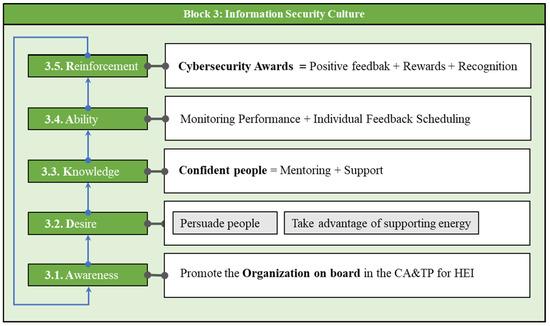
Fostering a Culture of Cybersecurity awareness
Technical solutions alone can’t fully safeguard educational environments. Building a strong cybersecurity culture is vital. This involves:
- Encouraging open communication about cyber threats and reporting suspicious activity without fear of reprisal.
- recognizing and rewarding cybersecurity-pleasant behavior in both staff and student populations.
- Making cybersecurity education an ongoing process, not a one-time event.
Conclusion: Prioritizing Cybersecurity for a Safe Learning Environment
Cybersecurity in educational institutions is fundamental to creating a safe and resilient learning environment. By implementing layered defenses, educating the entire school community, and fostering a proactive cybersecurity culture, schools can considerably reduce risk and ensure the safety of their data and students. These efforts not only shield sensitive information from cybercriminals but also inspire confidence among parents, educators, and learners alike.As cyber threats evolve,so too must the commitment of educational institutions to stay vigilant and prepared—because every student deserves to learn in a secure digital world.