
Cybersecurity in Educational Institutions: Essential Strategies for Protecting Student Data
In the digital age, cybersecurity has become a top priority for educational institutions worldwide. Schools,colleges,and universities handle vast amounts of sensitive student data,ranging from personal information to academic records. Protecting this data is not just about regulatory compliance—it’s about safeguarding the privacy, safety, and trust of students and their families. This comprehensive guide explores the importance of cybersecurity in education, outlines essential strategies, and provides practical tips to help schools secure their digital assets.
Why Cybersecurity Matters in education
The education sector has become a prime target for cybercriminals. According to Verizon’s Data Breach Investigations Report, educational institutions accounted for over 11% of all ransomware attacks in 2023. Cyber-attacks can lead to:
- Data Breaches: Exposure of personal and academic records, including Social Security Numbers, grades, and health information.
- Identity Theft: Criminals exploiting stolen data for fraudulent activities.
- Operational Disruption: Online learning platforms, grading systems, and interaction channels may be shut down.
- Reputation Damage: Loss of trust among students, parents, and staff.
- Financial Loss: Recovery, legal fees, and potential fines.
The stakes are high, and investing in proactive cybersecurity measures is critical for every school.
Key Cybersecurity threats Facing Educational Institutions
Educational institutions face a variety of cybersecurity threats,including:
- Phishing Attacks: Email scams designed to trick staff and students into divulging information.
- Ransomware: Malware that encrypts files and demands payment for release.
- Malware and Viruses: Software that can compromise, steal, or destroy data.
- Weak Passwords: Easy-to-guess credentials can open doors for hackers.
- Unpatched Systems: Old software vulnerable to exploitation.
- Insider threats: Staff or students with intentions or careless behavior.
Essential Strategies for Protecting Student Data
Securing student data requires a multi-layered approach.Here are proven cybersecurity strategies educational institutions can implement:
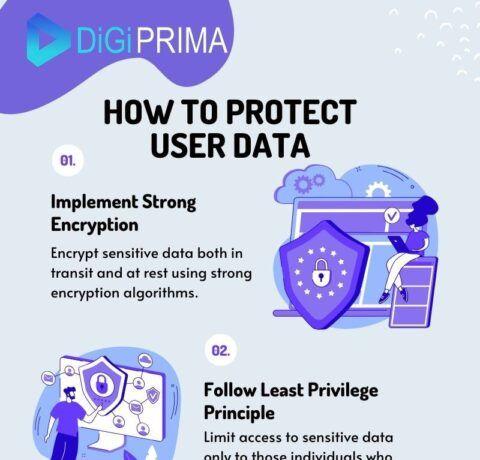
1. Establish Robust Access Controls
- Adopt a least privilege model: Only grant access to files and systems that are absolutely necessary for each user’s role.
- Use role-based access controls (RBAC) for staff, students, and third-party vendors.
- Regularly update and audit user permissions.
2. Implement Strong Authentication Methods
- Require multi-factor authentication for all sensitive systems.
- Enforce policies for complex passwords and regular password changes.
- Educate staff and students on how to avoid password reuse and sharing.
3. Monitor and Patch Systems Regularly
- Install updates and security patches as soon as they are released.
- Use automated tools to scan for vulnerabilities.
- monitor network traffic for suspicious activity.
4. Encrypt Sensitive Data
- Encrypt data at rest (on hard drives) and in transit (during transmission).
- Utilize secure cloud storage with built-in encryption.
- Ensure backups are also encrypted and stored off-site.
5.provide ongoing Cybersecurity Training
- Offer regular cybersecurity awareness sessions for staff and students.
- Teach how to recognize phishing emails, suspicious websites, and social engineering tactics.
- Promote a culture of vigilance and proactive reporting.
6. Develop an Incident response Plan
- Create a clear response protocol for data breaches and cyber-attacks.
- Train IT teams on immediate actions and communication strategies.
- Maintain regular backups to ensure rapid data recovery.
7. Comply with Data Protection Regulations
- Understand regulations such as FERPA (Family Educational Rights and Privacy act), GDPR, and local laws.
- Ensure policies and practices align with compliance requirements.
- Conduct annual data privacy audits.
Benefits of Strong Cybersecurity in Schools
Investing in comprehensive cybersecurity yields powerful benefits for educational institutions:
- Protects Student Privacy: Ensures personal and academic data remains confidential.
- Boosts Reputation and Trust: Earns confidence from students, parents, and community partners.
- Allows Focus on Education: Prevents disruptions so teachers and students can concentrate on learning.
- Reduces Financial Risks: Prevents losses due to attacks and regulatory penalties.
- Supports Compliance: Demonstrates commitment to legal obligations and ethical standards.
Case Studies: Real-World Cybersecurity in Educational Institutions
Case Study 1: University Protects 40,000+ Students with MFA
After experiencing several phishing incidents, a large university implemented multi-factor authentication across its online portals. The result was an 80% decrease in account hijacking and zero major data breaches in the following academic year.
Case Study 2: School District Responds to Ransomware Attack
When a metropolitan school district was hit with ransomware, their proactive backup strategy allowed IT to restore systems within 36 hours, avoiding ransom payment. They also launched a district-wide cybersecurity training program to prevent future attacks.
Practical Tips for Enhancing Cybersecurity in schools
- Update software and systems regularly to patch vulnerabilities fast.
- Establish clear technology use policies for staff and students.
- Divide your network into secure subnets to protect critical resources.
- Limit physical access to server rooms and sensitive hardware.
- Perform annual penetration testing and security audits.
- Use reputable antivirus and endpoint protection tools.
- Create information security committees to oversee policies and education.
Frist-Hand Experience: Adopting Cybersecurity in Schools
“Last year, our district faced a wave of phishing emails targeting teachers and administrators.As an IT coordinator, I led bi-weekly workshops to educate our faculty. Reporting increased by 200%, and we stopped two major attacks. It’s clear that raising awareness and investing in staff training makes a measurable difference.”
— Maria L.,IT Coordinator,Public School District
Conclusion: Building a Culture of Cybersecurity in Education
Cybersecurity in educational institutions is not a one-time project—it’s an ongoing commitment to protecting student data and ensuring safe learning environments. By understanding the risks, implementing comprehensive strategies, and fostering a culture of vigilance, schools can shield their communities from emerging threats. Remember, technology evolves quickly, so regular evaluations and updates are essential. The time and resources invested now will pay dividends in long-term safety, trust, and educational excellence.
Let’s work together to build secure and resilient digital schools—were every student’s privacy and future are well protected.
Tags: Cybersecurity, Educational Institutions, Student Data Protection, School IT Security, Data Privacy, Ransomware, Phishing Prevention