
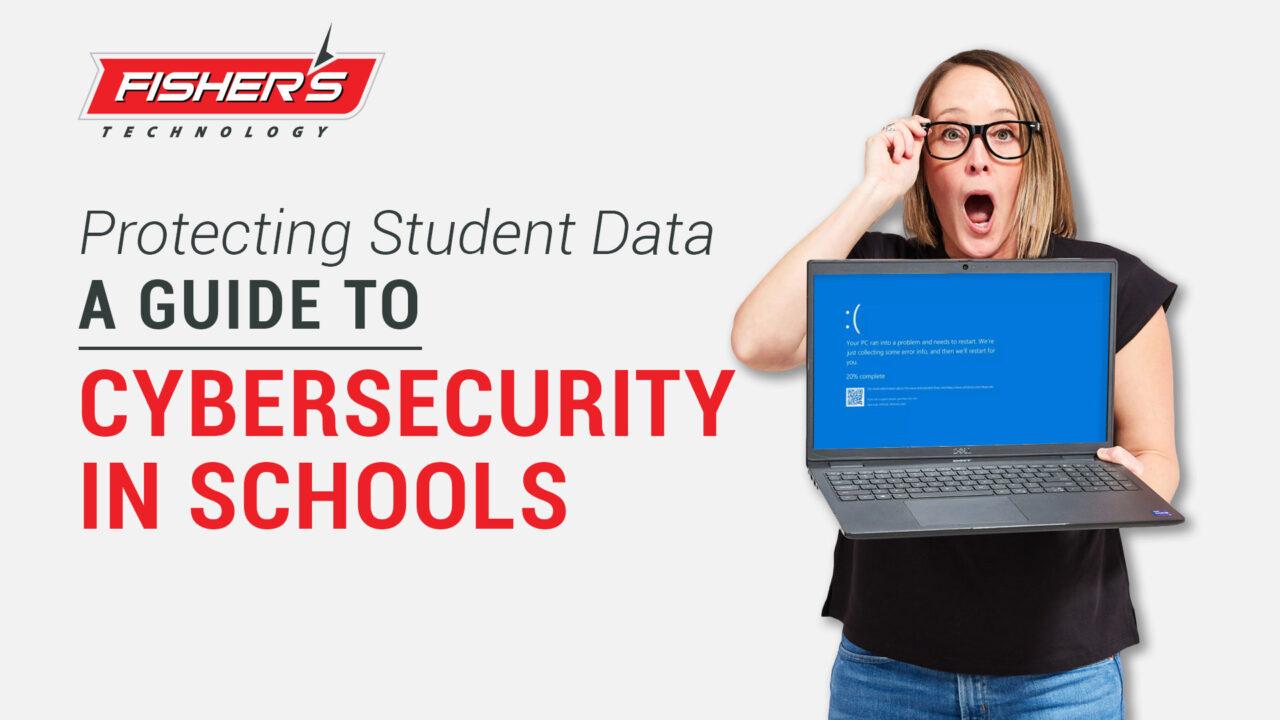
Cybersecurity in Educational Institutions: Protecting Data & Safeguarding Schools in the Digital Age
In an era where classrooms and campuses are more connected then ever, educational institutions face mounting threats to their digital safety. The accelerating integration of technology in schools brings tremendous benefits for learning, administration, and communication. Though, it also opens new vulnerabilities to cyber attacks. Cybersecurity in educational institutions is not just optional—it’s a crucial component of school safety in the digital age.
Why Cybersecurity Matters for Schools
Schools and universities hold a goldmine of sensitive data, including student records, financial data, personal information, and intellectual property. As educational technology advances, so do cyber threats targeting these assets.
- Student privacy: Breaches can expose personal and academic data,leading to identity theft or long-term consequences for minors.
- Operational Continuity: Ransomware and data breaches can paralyze school operations, disrupt learning, and result in meaningful costs.
- Compliance: Laws such as FERPA (Family educational Rights and Privacy Act) and GDPR (General Data Protection Regulation) mandate strict data protection standards for educational institutions globally.
Failing to address cybersecurity can lead to data loss, reputational damage, and legal liabilities for schools and districts.
Common Cyber Threats Facing Educational Institutions
The educational sector has seen a sharp increase in cyber attacks over recent years. Understanding these threats is the first step towards effective data protection for schools.
- Phishing Attacks: Deceptive emails targeting staff and students are common, often seeking login credentials or confidential data.
- Ransomware: Attackers encrypt school data and demand costly ransoms for its release, sometimes shutting down entire networks.
- Data Breaches: Unauthorized access to databases can leak sensitive student and faculty information.
- Weak Password Policies: Poor enforcement allows hackers to easily compromise accounts and systems.
- Unpatched Software: Outdated systems can serve as gateways for malware and exploits.
Attacks may come from external hackers, or even insiders such as students or staff. This diversity of threats means schools must adopt a multi-layered approach to cybersecurity.
Key Strategies for Strengthening Cybersecurity in Educational Institutions
To safeguard data and ensure safe learning environments, schools must prioritize cybersecurity at every level. Here are essential practices and technologies to consider:
1. Establish Complete Cybersecurity Policies
- Develop a robust cybersecurity policy for schools covering acceptable usage, data handling, and breach response protocols.
- Regularly update policies to reflect evolving threats and new technologies.
- Ensure policies align with relevant legal and regulatory frameworks.
2.Implement strong Access Controls
- Adopt multi-factor authentication (MFA) for all staff and student accounts.
- Use role-based access to restrict sensitive data only to authorized personnel.
- Monitor user access and activity with logging and alerts.
3. Engage in Continuous Cybersecurity Training
- Offer regular cybersecurity awareness training sessions for staff, students, and faculty.
- Simulate phishing and social engineering attacks to test and educate participants.
- Encourage a culture of security where everyone feels responsible for safeguarding data.
4. Keep Systems and Software Updated
- Apply patches and updates promptly to close security vulnerabilities.
- Use up-to-date anti-malware and endpoint protection solutions across all devices.
5.Secure Networks and Devices
- Implement firewalls, intrusion detection/prevention systems, and network segmentation.
- Enforce encryption on all devices, particularly those containing sensitive student data.
- Manage BYOD (Bring Your Own Device) policies to ensure security for personal devices accessing the network.
6. develop a cyber Incident Response Plan
- Create and regularly test a response plan for cyber incidents,including communication and recovery procedures.
- designate response teams and clarify roles for school IT, administration, legal advisors, and communications personnel.
- Back up data frequently and securely as part of a disaster recovery strategy.
Benefits of Robust Cybersecurity in Schools
The investment in cybersecurity pays off across several dimensions:
- Protecting Student Privacy: Safeguarding sensitive data builds trust with students, parents, and the community.
- Ensuring Educational continuity: Proactive defenses minimize downtime and disruptions due to cyber incidents.
- Regulatory Compliance: Meeting legal requirements avoids fines, lawsuits, and reputational harm.
- Fostering Innovation: Secure systems enable the safe adoption of new educational technologies.
- Peace of Mind: Comprehensive cybersecurity gives teachers, students, and parents confidence in the school’s digital infrastructure.
Case study: A School’s Journey from Breach to Security
In 2021, a midsized high school district experienced a crippling ransomware attack. The cyber criminals encrypted not only the student information system but also locked teachers out of grading platforms and email. Classes were canceled for days, and important data backups were also compromised.
In response, the district overhauled its cybersecurity strategy:
- Implemented offline and cloud-secure backup systems.
- Adopted district-wide MFA and upgraded endpoint protection.
- Established incident response plans and launched mandatory staff training.
Consequently, the school was able to resume normal operations, regain community trust, and has as fended off several cyber intrusions without significant disruption.
Practical Tips for School Cybersecurity
- Start with Security Audits: Regularly assess risks, system vulnerabilities, and compliance gaps.
- Involve All Stakeholders: Administrators, IT staff, teachers, students, and even parents should be part of the cybersecurity conversation.
- Limit Data Collection: Only collect and retain what is essential for educational purposes.
- Test Recovery Capabilities: Conduct routine drills to ensure backups work and staff know how to respond to an attack.
- Stay Informed: Follow industry updates and leverage resources from organizations like the Cybersecurity and Infrastructure Security Agency (CISA) and the National Cyber Security Center (NCSC).
Conclusion: Creating a Culture of Cybersecurity in Education
The digital future of education depends on the cybersecurity of educational institutions. by prioritizing data protection,investing in security infrastructure,and nurturing a culture of cyber awareness,schools can defend their communities from evolving online threats. Every teacher, student, and administrator holds a piece of the solution—together, we can safeguard our schools in the digital age.
ready to secure your school? Start with a risk assessment, implement essential cyber hygiene practices, and promote ongoing education to ensure your institution remains a safe haven for learning and growth.