
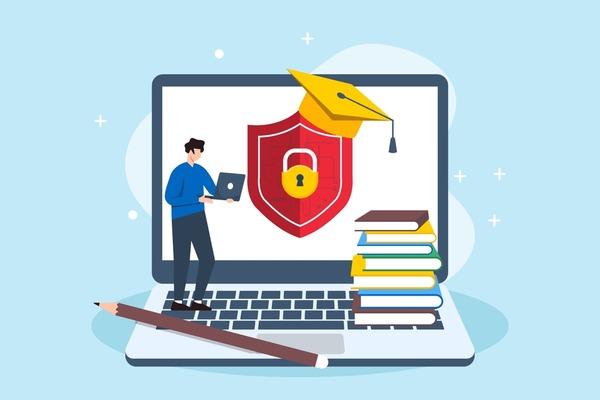
cybersecurity in Educational Institutions: Protecting Student Data in the Digital Age
In today’s increasingly digital world, cybersecurity in educational institutions has become more crucial than ever before.With the rise of online learning, digital governance systems, and cloud-based student records, safeguarding sensitive information is a top priority. This article will explore the importance of protecting student data in the digital age,highlight common cybersecurity threats,and provide actionable tips and strategies to fortify your institution’s defenses.
Understanding the importance of Cybersecurity in Education
schools, colleges, and universities collect and store vast amounts of student data, including personal details, academic records, health information, and even financial data. With so much valuable information at stake, educational institutions have become prime targets for cybercriminals.
The consequences of a data breach can be severe:
- Identity theft impacting students and staff
- Reputational damage to the institution
- Financial loss due to lawsuits and regulatory fines
- Disruption of educational activities and loss of trust within the community
It is essential for schools to actively manage education cybersecurity risks to ensure compliance with data protection laws such as FERPA, GDPR, and other regional regulations.
Common Cybersecurity Threats Facing Educational Institutions
Understanding the most common cybersecurity threats is the first step in creating an effective security strategy. Here are some of the biggest digital dangers facing schools today:
- Phishing Attacks: Cybercriminals frequently enough send fake emails or messages to trick staff or students into revealing login credentials or personal information.
- Ransomware: Malicious software that locks access to files or systems until a ransom is paid. In recent years, numerous schools worldwide have fallen victim to ransomware attacks, disrupting classes and administrative tasks.
- Data Breaches: Hackers may exploit vulnerabilities to gain unauthorized access to student records, exam results, or financial information.
- Weak Passwords: Using simple or default passwords makes it easier for attackers to compromise accounts.
- Insecure Networks: Unprotected Wi-Fi networks can be exploited by attackers to intercept data transmissions.
- Unpatched Software: Failing to update systems and applications leaves known vulnerabilities open to exploitation.
Benefits of Prioritizing Cybersecurity in Schools
- Protects Sensitive Student Data: Shielding personal and academic information from cybercriminals.
- Maintains Trust: Students,parents,and staff are more confident when security is taken seriously.
- Ensures compliance: Avoid costly fines and legal trouble by meeting data protection standards.
- Prevents Disruption: Minimizes downtime caused by cyberattacks,ensuring educational continuity.
- Enhances Digital Learning: A secure environment empowers the adoption of new and innovative learning technologies.
Key Strategies for Protecting Student Data in the Digital Age
To effectively address student data protection and improve cybersecurity in education, consider implementing the following strategies:
1.Develop a Robust Cybersecurity Policy
- Outline acceptable use, access controls, incident response procedures, and staff responsibilities.
- Regularly review and update policies to reflect new threats and technologies.
2. Provide Ongoing Training and Awareness
- Educate students, teachers, and staff about the latest cybersecurity threats and safe online practices.
- Conduct simulated phishing campaigns to reinforce awareness.
3. Implement Strong Access Controls
- Adopt two-factor authentication (2FA) for sensitive accounts.
- Use role-based access to limit data exposure.
- Monitor user activity for suspicious behavior.
4. Keep Systems and Software Up to Date
- Regularly install security updates and patches for all devices and applications.
- Remove unsupported or outdated software from the network.
5. Secure Networks and Endpoints
- Encrypt all Wi-Fi networks and restrict guest access.
- Deploy firewalls, antivirus, and other endpoint security tools.
- Implement network segmentation to limit the spread of attacks.
6. Regularly Back Up Data
- maintain secure and encrypted backups of all critical data.
- Test backup restoration procedures to ensure effectiveness in the event of cyber incidents.
7. Conduct Regular Security Audits
- Perform vulnerability assessments and penetration testing to identify and resolve weaknesses.
- Engage third-party cybersecurity experts for thorough reviews.
Case Studies: Real-World Lessons in Educational Cybersecurity
Case Study 1: A University targeted by Ransomware
In 2022, a prominent U.S.university experienced a severe ransomware attack, locking access to hundreds of computers and delaying online classes for weeks. The attackers demanded a hefty ransom, and even though law enforcement intervened, data was lost, and thousands of students’ records were exposed. This incident highlights the critical need for regular backups, staff training, and proactive cybersecurity measures.
Case Study 2: Phishing Attack in a K-12 School District
A large school district fell victim to a phishing email purporting to be from a technology vendor. Several staff members inadvertently provided login details, allowing attackers to access payroll and student data.Quick response from the IT team, including password resets and multifactor authentication, minimized the damage, but this scenario underlines the importance of ongoing user education and awareness.
Best Practices for Cybersecurity in Schools: Practical Tips
- Adopt Least Privilege Principles: Only grant data access to those who truly need it.
- Monitor Suspicious Activity: Use security tools to alert administrators of unusual login patterns or file access.
- Secure Remote Learning Platforms: Choose platforms with built-in security features and regularly update access permissions.
- engage Parents and guardians: Share cybersecurity tips and resources to help protect students both in and out of the classroom.
- Establish a cyber Incident Response Team: Have a dedicated team ready to act quickly in case of a data breach or attack.
First-Hand Outlook: IT Director’s Experience
“as the IT Director at a mid-sized community college, I’ve witnessed firsthand how investing in cybersecurity infrastructure and regular training can make a significant difference. We faced a ransomware attack two years ago, but thanks to timely backups and well-practiced incident response protocols, we restored operations rapidly with minimal data loss. Continuous education and collaboration with faculty have been key to strengthening our cyber defenses.”
— Jamie Oliveira, IT Director
Conclusion: Safeguarding the Future Through Digital Security
As educational institutions continue to navigate the digital age, prioritizing cybersecurity for schools is not just a technical necessity but a fundamental duty.Protecting student data requires a combination of people, processes, and technology—supported by ongoing education, clear policies, and a proactive mindset.
By embracing the best practices and strategies outlined in this guide, schools can offer a safe digital environment for students and staff, build trust with thier communities, and prepare for the challenges of tomorrow.Remember, in the world of education, cybersecurity is key to safeguarding not only data but also the futures of countless young learners.