
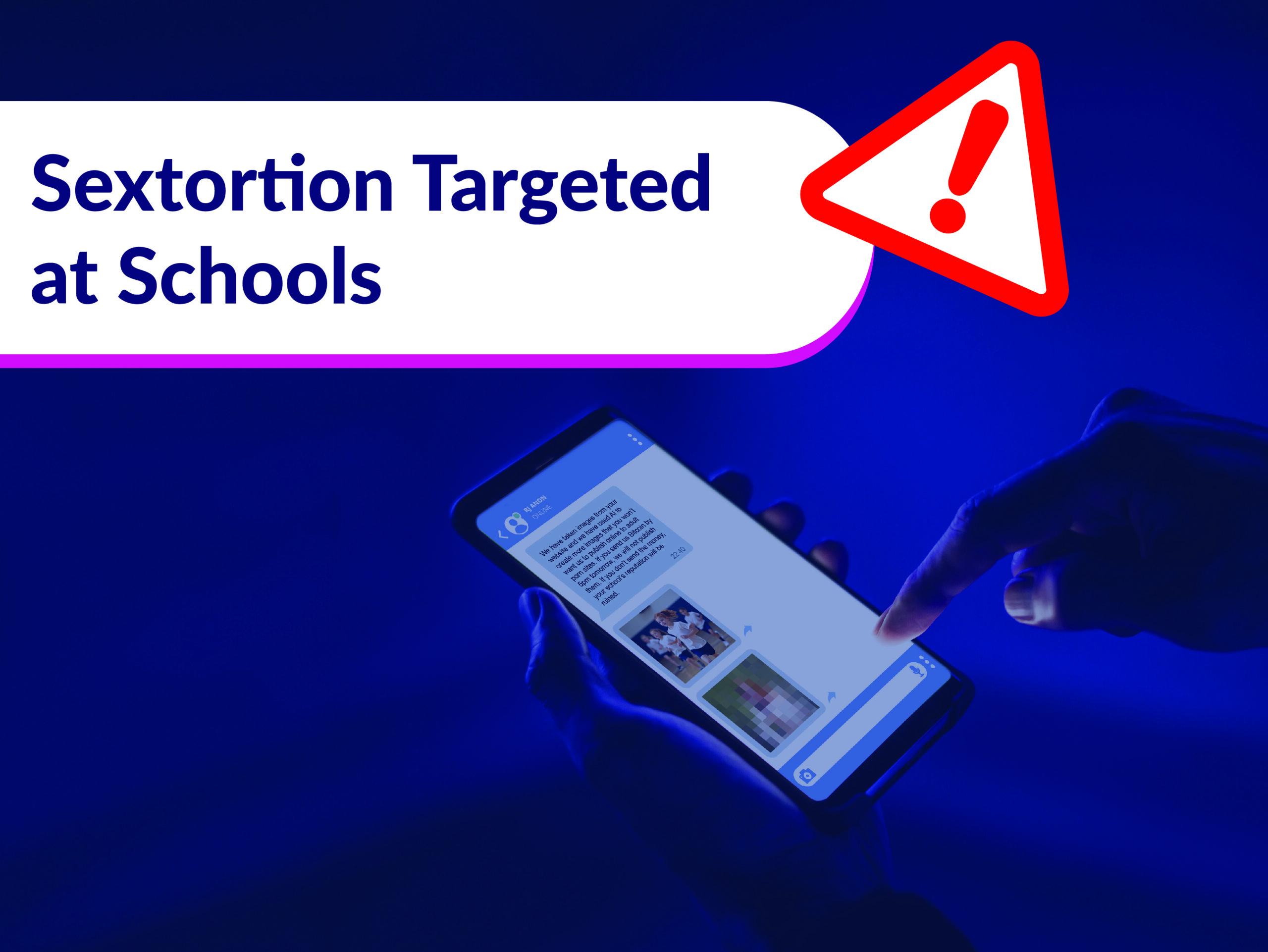
Cybersecurity in Educational institutions: Safeguarding Schools Against Digital Threats
In today’s technology-driven world,cybersecurity in educational institutions has become an urgent priority. With more schools integrating digital learning tools,the risk of cyber threats like phishing attacks,ransomware,and data breaches is higher than ever.Educational organizations must implement comprehensive cybersecurity measures to protect sensitive student data, maintain trust, and ensure uninterrupted learning. in this guide,we explore the importance of cybersecurity in schools,common threats faced,real-world case studies,and practical steps for safeguarding against digital dangers.
Why Cybersecurity Matters for Educational Institutions
Schools, colleges, and universities handle vast amounts of confidential data—from student records and grades to staff payroll and research documents. As learning environments become more digitized, the potential attack surface for cybercriminals expands dramatically.Here’s why prioritizing cybersecurity in schools is essential:
- Protecting Sensitive Data: Breaches can expose personal facts and compromise the safety of students and staff.
- Ensuring Continuity of Education: Cyberattacks can disrupt operations, causing lesson interruptions and delayed academic progress.
- Legal Compliance: Schools are required to comply with regulations such as FERPA and GDPR, mandating robust data security practices.
- Safeguarding Reputation: A cyber incident can diminish trust in an institution’s capacity to keep its community safe.
Common Cyber Threats Facing Schools Today
Cybercriminals often target educational institutions due to the wealth of data and typically limited IT resources. Familiarize yourself with the most prevalent threats in the school environment:
- Phishing Attacks: Fake emails and websites trick staff and students into revealing passwords or downloading malware.
- Ransomware: Malicious software encrypts files, holding them hostage until a ransom is paid. Schools are increasingly targeted due to perceived willingness to pay.
- Data Breaches: Unauthorized access to data repositories can result in the theft of sensitive student and staff information.
- Distributed Denial of Service (ddos) Attacks: these overwhelm a school’s network,making it inaccessible and hindering online learning.
- Unauthorized Access: Weak passwords and insufficient user authentication can allow outsiders or even students to access restricted systems.
Real-World Examples: Case Studies of Cybersecurity in Schools
case Study 1: Ransomware Attack on a School District
in 2020,a major U.S.school district faced a devastating ransomware attack that affected over 100,000 students. The school’s systems, including digital attendance and grading portals, were rendered inoperable for days. The attackers demanded a hefty sum to unlock the data. Although the district’s IT team restored operations through backups, the incident highlighted the importance of disaster recovery planning and regular cybersecurity training.
Case Study 2: Phishing Scam Targets university Students
A large university reported repeated phishing attempts through emails claiming to be from the institution’s financial aid office. These emails tricked students into submitting their login credentials, resulting in compromised accounts and exposed financial data. Following the attack, the university introduced multi-factor authentication and conducted awareness campaigns.
Benefits of Strengthening Cybersecurity in educational Institutions
- Enhanced Data Protection: Robust cybersecurity measures reduce the risk of breaches and data leaks.
- Improved Learning Outcomes: Reliable IT systems meen fewer disruptions, allowing students and educators to focus on teaching and learning.
- Legal and Regulatory compliance: meeting cybersecurity standards helps schools avoid costly penalties and maintain student trust.
- Peace of Mind: Knowing that digital infrastructure is secure fosters a safer, more positive school environment.
Practical Cybersecurity Tips for Schools
Educational institutions can adopt several cybersecurity best practices to safeguard their digital assets and personal information:
1. Implement Comprehensive Security Policies
- Define clear rules for device use, password management, and data access.
- Provide guidelines for reporting suspicious activity.
2. Conduct Regular Cybersecurity Training
- Train staff and students to recognize phishing emails and social engineering tactics.
- Host workshops or online modules focused on digital safety and cyber hygiene.
3. Utilize Multi-Factor Authentication (MFA)
- Require MFA for accessing sensitive systems, ensuring that stolen credentials alone cannot grant access.
4. Keep Systems Up to Date
- Regularly update operating systems, applications, and security software to patch vulnerabilities.
5.Back Up Data Frequently
- Automate backups and store them securely offline or in the cloud to prevent data loss during ransomware attacks.
6. Restrict Access Permissions
- Use the principle of least privilege—give users only the permissions necessary for their roles.
7. Secure Wi-Fi Networks
- Protect all wireless networks with strong encryption and unique passwords.
- Isolate guest or student Wi-Fi from administrative networks.
8. Monitor and Respond to Threats
- Invest in threat monitoring tools and establish an incident response plan for quickly addressing security breaches.
First-Hand Perspectives: The Educator’s View on Cybersecurity
Teachers and IT staff are on the front lines when it comes to maintaining cyber safety in schools. Here’s what some educators have to say:
“After a cyber incident, our school realized how vital it is to educate both staff and students about online threats.Now, cybersecurity is part of our regular training and curriculum.”
— Emily R., High School IT Coordinator
“With so many students learning remotely, securing our digital platforms has gone from a technical concern to a essential part of our daily routine.”
— Jason L., University Professor
How Parents and Students Can Support School Cybersecurity
- Stay Informed: Regularly review school communications regarding digital threats and IT policies.
- Practice Safe Browsing: Avoid clicking on suspicious links or downloading unknown attachments.
- Report Issues early: Encourage prompt reporting of unusual emails or system behavior to teachers or IT staff.
- Use Strong Passwords: Create complex passwords and avoid sharing them, even with classmates or friends.
Conclusion: Building a Secure Digital Future in Education
As digital conversion continues to reshape education, prioritizing cybersecurity in educational institutions is no longer optional—it’s essential for protecting students, staff, and critical data. with the right strategies—ranging from robust policies and regular training to modern security technologies—schools can defend against cyber threats and create a safe, productive learning environment.By working together—administrators, IT professionals, teachers, parents, and students—educational communities can stay one step ahead in the ever-evolving battle for digital security.