
Data Engineer in Learning Analytics: Key Skills, Roles, and Career Paths
In today’s rapidly digitizing education sector, data-driven decision making is transforming how universities, colleges, and schools enhance student outcomes. as institutions embrace education technology (EdTech), the role of a Data engineer in Learning Analytics is becoming increasingly vital. If you’re passionate about technology, data, and making a real difference in the learning journey, a career as a data engineer in learning analytics could be both rewarding and impactful.
Introduction: Why Learning Analytics Matters in Education Technology
Learning analytics involves collecting, managing, and interpreting vast amounts of educational data to improve teaching effectiveness, personalize student support, and optimize academic programs.Data engineers are the backbone of these efforts, designing robust data pipelines, ensuring data integrity, and enabling meaningful analysis for education technology teams. Universities,colleges,and schools depend on skilled data professionals to convert student interactions,assessments,and engagement patterns into actionable insights.
Key Roles and Responsibilities of a data Engineer in Learning analytics
As a data engineer working in the field of learning analytics within educational institutions, your responsibilities will be both technical and strategic. You’ll play a central part in helping faculty, administrators, and instructional designers leverage data for improved learning outcomes. Here are the primary duties you can expect in this role:
- Data Architecture and Integration: Design, implement, and maintain scalable data architectures that aggregate facts from various EdTech platforms, student information systems, and classroom technologies.
- Pipeline Development: Create efficient ETL (extract, transform, load) processes to collect and standardize data from disparate sources such as LMSs (Learning Management systems), digital assessment tools, and online courseware.
- Database Management: Build and optimize databases—both relational (SQL) and non-relational (NoSQL)—tailored to the analytics needs of your institution.
- Data Quality Assurance: Monitor data quality, perform regular cleaning, and ensure compliance with institutional, state, and federal data governance policies (including FERPA and GDPR).
- Collaboration and Support: Work closely with data scientists, instructional designers, learning analytics researchers, and IT teams to align technical capabilities with educational goals.
- Automation: Automate routine data management tasks, facilitating real-time or near-real-time analytics for student monitoring and intervention.
- security and Privacy: Implement necessary safeguards to protect sensitive student information and maintain strict data privacy standards.
Essential Skills for data Engineers in Learning analytics
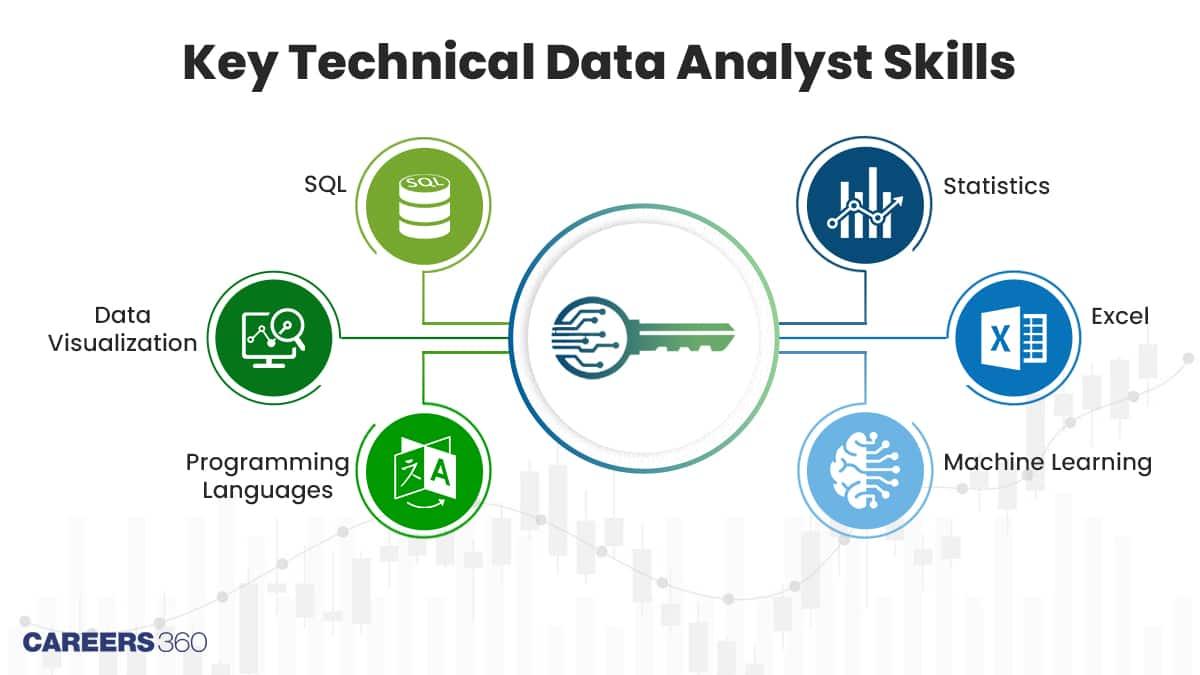
Prosperous data engineers in the education technology space require a blend of programming expertise, analytical acumen, and a solid understanding of the unique challenges present in academic environments.The following skills are particularly vital:
Technical Skills
- Programming languages: Proficiency in Python, Java, or Scala for data processing and automation.
- data Storage technologies: Strong command over SQL, NoSQL databases, and cloud-based storage solutions (e.g.,AWS,Azure,Google Cloud).
- ETL and Data pipeline Tools: Familiarity with Airflow, Apache Spark, Talend, or similar ETL frameworks.
- APIs and Integrations: Experiance building and connecting APIs to integrate data sources used in learning environments.
- Data Visualization: Understanding basic visualization tools (Tableau, Power BI) to assist analysts and educators in interpreting data.
- Big Data Platforms: Knowledge of Hadoop, Kafka, or distributed computing technologies is highly beneficial for handling large volumes of educational data.
Analytical and Soft Skills
- problem-Solving: Ability to tackle complex data challenges and develop effective, scalable solutions.
- Communication: comfortable presenting findings and technical processes to non-technical stakeholders, including teachers and administrators.
- Attention to Detail: Precision in managing raw educational data and handling edge cases during data processing.
- Collaboration: Willingness to work with cross-functional teams, including curriculum specialists and student support services.
- Project Management: Capable of managing competing priorities, deadlines, and deliverables in dynamic school or university environments.
Typical Career Pathways for Data Engineers in Education Technology
While many data engineers in learning analytics start in entry-level roles, the field offers exciting growth opportunities:
- Junior Data Engineer: Focuses on learning core data integration and architecture in an academic setting, often supporting senior engineers.
- Senior data Engineer: Takes ownership of complex projects, mentors junior staff, and may lead infrastructure decisions for large-scale analytics initiatives.
- Analytics Solutions Architect: Designs holistic analytics solutions that bridge instructional goals with cutting-edge technologies.
- Data Engineering Manager: Oversees the data engineering team, manages projects, and ensures that analytics infrastructure aligns with institutional strategies.
- Director of Learning Analytics: Sets overall data strategy, works closely with academic leadership, and ensures compliance, innovation, and ethical use of student data.
Benefits of Working as a Data Engineer in Learning Analytics
This career offers a meaningful blend of technical challenge and social impact. Here’s why many tech professionals are drawn to data engineering roles in education:
- Mission-Driven Work: Your efforts directly support student achievement, retention, and equity within educational institutions.
- Continuous Learning: Educational settings are dynamic and encourage ongoing professional development and knowledge exchange.
- Interdisciplinary Collaboration: Engage with diverse teams—from IT to faculty—to drive data-informed decision-making.
- High Demand: With schools increasingly reliant on EdTech, data engineering roles are steadily growing across all levels of education.
- competitive Compensation: Data engineers in education often benefit from stable employment and attractive salary packages, especially in major universities and prominent school districts.
- Opportunity for Advancement: Career progression is robust, with options to move into leadership, data science, or education technology strategy.
Practical Tips for Aspiring Data Engineers in Learning analytics
If you’re interested in breaking into this rewarding field, consider the following actionable tips:
- Build a Strong Foundation: Invest in courses, certifications, or degrees focused on data science, engineering, or information systems—especially those with applications in education.
- get Hands-On Experience: seek internships or volunteer positions with education technology teams, university IT departments, or school districts.
- Learn Education-Specific Platforms: Familiarize yourself with tools commonly used in academic analytics (such as Canvas, Blackboard, Moodle, or Kaltura).
- showcase Your Skills: Develop a portfolio of data engineering projects—including ETL pipelines or dashboards—using anonymized education data when possible.
- Network in EdTech Circles: Attend conferences, webinars, or professional meetups related to learning analytics and EdTech.
- Emphasize Data Ethics: Stay informed about privacy regulations and best practices, which are especially vital when handling student data.
- Leverage Soft Skills: Highlight communication, teamwork, and project management competencies in your applications and interviews, as these are highly valued in academic environments.
How to Prepare for Interviews and Applications in Education Technology
- Research the Institution: understand the school’s mission, values, analytics maturity, and technology stack.
- Demonstrate Educational Impact: Be prepared to discuss how your technical solutions can directly support student learning and institutional goals.
- Prepare for scenario-Based Questions: Practice responding to questions about data privacy, project challenges, and collaborating with non-technical teams.
- Show Curiosity: Ask thoughtful questions about data governance, new initiatives, or analytics priorities in education during interviews.
Conclusion: Making a Difference as a data Engineer in Learning analytics
The demand for data engineers in learning analytics within universities, colleges, and schools continues to rise as education technology evolves. By mastering essential technical skills, understanding the unique needs of academic institutions, and committing to ethical data practices, you can build a highly rewarding career that blends innovation with social impact. Whether you’re just starting out or considering a transition from another data-focused industry, your contributions as a data engineer will play a crucial role in shaping the future of education. Begin your journey today—equip yourself with the right skills, stay curious, and be ready to make a meaningful difference in the lives of learners everywhere.