
Data Engineer in Learning Analytics: Key Skills, Roles, and Career Pathways
The landscape of education is rapidly evolving, with technology playing a crucial role in shaping the future of learning. As universities, colleges, and schools seek to leverage data-driven insights, the demand for skilled professionals in educational technology has soared. Among these, the role of a Data Engineer in Learning Analytics stands out as both impactful and rewarding. If you’re a job seeker aiming to break into this field, this comprehensive guide will walk you through everything you need to know — from essential skills to job responsibilities and career pathways.
What is a Data Engineer in Learning Analytics?
A Data Engineer in learning Analytics is a specialized facts technology professional who designs, develops, and manages the data infrastructures necessary to collect, process, and analyze educational data. These experts are pivotal for transforming raw educational data into actionable insights that improve teaching methods, enhance student engagement, and drive institutional success.
Why Choose a Data Engineering Role in Education Technology?
Working in education technology affords the opportunity to make a real difference. By connecting data science and education, data engineers:
- Help identify learning trends that can transform curriculum design
- Support early intervention strategies for at-risk students
- Streamline administrative processes
- Contribute to a culture of continuous advancement within schools and universities
- Enable evidence-based decision making at all levels of the institution
Key Skills Required for Data Engineers in Learning Analytics
To be successful as a data engineer in educational analytics, there are several hard and soft skills you’ll need to master:
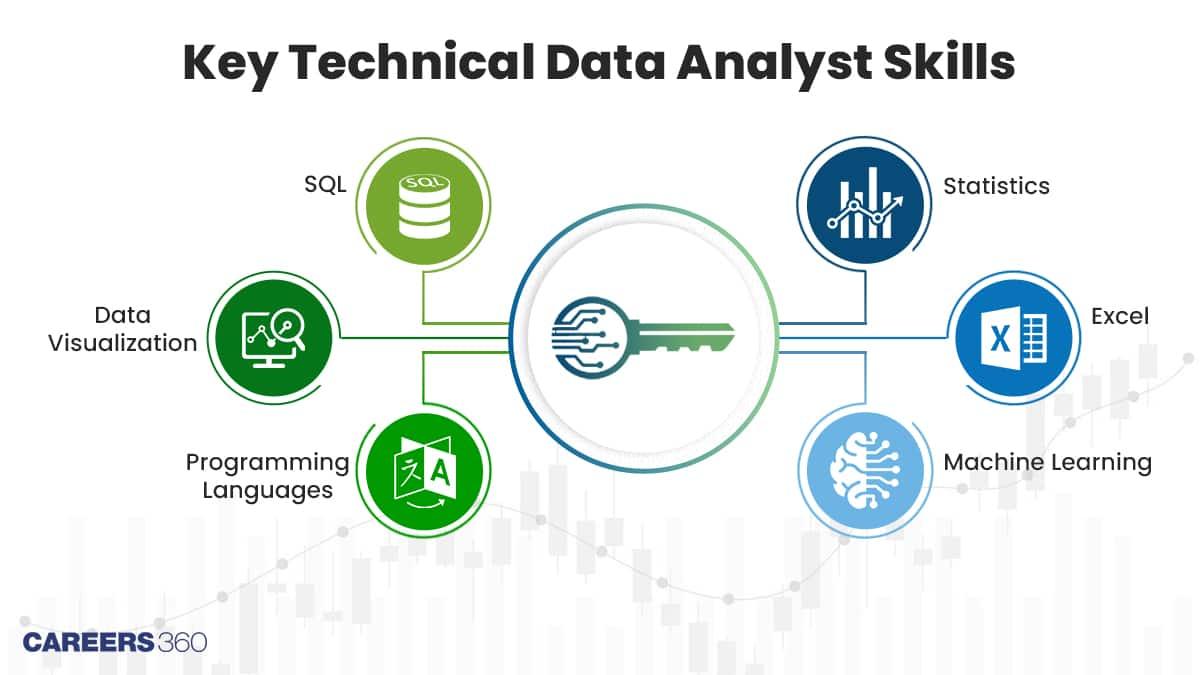
Technical Skills
- Programming Languages: Proficiency in Python, SQL, or Java is essential for data extraction, change, and loading (ETL).
- Database Management: Experience with relational (e.g., MySQL, PostgreSQL) and non-relational databases (e.g., MongoDB).
- Big Data Technologies: Familiarity with tools like Hadoop, Spark, or Apache Kafka for handling large datasets.
- Data Modeling: Ability to design effective data models suited to educational metrics and KPIs.
- Cloud Technologies: Knowledge of AWS, Google Cloud Platform, or Azure as many institutions migrate to cloud-based infrastructure.
- Data Warehousing: Skills in building and managing data warehouses for centralized data analytics.
- ETL Pipelines: Building robust and scalable ETL pipelines for real-time or batch data processing.
- API Integration: Connecting diverse educational technology systems (LMS, SIS, assessment tools) via APIs.
analytical and Soft Skills
- Problem-Solving: ability to troubleshoot data inconsistencies and find root causes.
- Attention to Detail: Meticulousness in ensuring data quality, validity, and security.
- Collaboration: Working with diverse teams, including data analysts, educators, and administrators.
- Communication: Translating complex technical concepts into understandable insights for non-technical stakeholders.
- project Management: Managing workflows, deadlines, and priorities in fast-paced environments.
Responsibilities and Roles of a Learning Analytics Data Engineer
The day-to-day functions of a data engineer in the educational sector are both dynamic and rewarding. Here are some typical responsibilities:
- Designing, developing, and maintaining data pipelines for learning management systems (LMS) and student information systems (SIS)
- Collecting and cleaning data from various educational platforms
- Creating and optimizing data models to support advanced analytics and machine learning
- Ensuring data accuracy, privacy, and compliance with regulations like FERPA or GDPR
- developing dashboards and visualization tools to support faculty, administrators, and student services
- Collaborating with instructional designers and academic researchers to align data strategies with institutional goals
- monitoring and optimizing the performance of data workflows
- Documenting processes and maintaining data-related documentation for future reference
Career Pathways: From Entry-Level to Senior Leadership
The education technology sector offers a wealth of career progression opportunities for data engineers:
- Junior Data Engineer: Focuses on data extraction, coding, and supporting senior engineers.
- Data Engineer: Takes ownership of ETL pipelines and database management for analytics projects.
- Senior Data Engineer: Leads the design and optimization of scalable data architectures.
- Lead Data Architect: Sets data standards and oversees all data systems across the institution.
- Chief Data Officer (CDO): Part of the executive team,responsible for data strategy,governance,and culture.
Beyond technical roles, experienced data engineers in learning analytics may transition into related areas such as Data Science, Educational Research, or Data Analytics Consulting.
Top Benefits of working as a Data Engineer in Educational Technology
- Mission-Driven impact: Your work directly contributes to better learning outcomes and educational equity.
- growing Demand: Data-driven decision making is a top priority, making skills in learning analytics highly sought after.
- Interdisciplinary Collaboration: work alongside faculty, IT, and research teams on innovative projects.
- Continuous Learning: Stay current with new technologies, privacy laws, and educational research trends.
- Career Flexibility: Data engineering skills are transferable across industries, providing diverse career prospects.
Practical Tips for Job Seekers Aiming for Data Engineer Roles in Education
- Build a Strong Portfolio: Showcase projects that highlight your skills in data wrangling, automation, and analytics, especially those related to educational data.
- Gain Relevant Certifications: Consider certifications in data engineering, cloud technologies, or educational technology tools.
- Understand Education Data Standards: Familiarize yourself with common education data formats (Ed-Fi, xAPI, IMS Global) and privacy laws.
- Network with Education Technology Professionals: Attend conferences, webinars, or meetups focused on learning analytics or edtech.
- Stay curious: Regularly read industry publications and participate in online courses to stay updated on the latest trends.
- Highlight Soft Skills: In your resume and interviews, emphasize your communication and teamwork abilities.
Frequently Asked Questions (FAQs)
Is prior experience in education necessary to become a learning analytics data engineer?
While not always required, understanding the educational environment and its unique challenges will give you an edge. Many universities and colleges value technical candidates who also have a passion for education and learning outcomes.
what tools and platforms are commonly used by data engineers in universities and schools?
Common platforms include LMS systems (like Moodle, Canvas), cloud-based data warehouses (BigQuery, Redshift), big data frameworks (Apache Spark), and data visualization tools (Power BI, Tableau).
How competitive is the education technology sector for data engineers?
The sector is increasingly competitive, but there is a talent shortage as institutions prioritize digital transformation. Candidates with strong data engineering foundations and a keen interest in education stand out.
Conclusion: Start Your Journey as a Data Engineer in Learning Analytics
Taking on the role of a Data Engineer in Learning Analytics puts you at the heart of educational innovation. With the right technical skills, a collaborative spirit, and a genuine passion for learning, you can drive meaningful change in schools, colleges, and universities. Now more than ever,educational institutions are seeking data-savvy professionals to build the future of learning. If you’re ready to launch or advance your career in educational technology, now is the perfect time to seize these exciting opportunities.