
Data Privacy in EdTech: Essential Strategies for Navigating Security Challenges
With the rapid growth of education technology (EdTech), the security and privacy of student data have become a top priority for educators, technologists, and parents alike. Data privacy in EdTech is not just a technical challenge; it’s a essential aspect of building trust and ensuring that digital learning empowers, rather than endangers, its users. In this comprehensive guide, we will explore essential strategies for navigating security challenges in EdTech, discuss the benefits of robust data protection, and share practical tips for safeguarding sensitive information.
Understanding data Privacy in EdTech
EdTech platforms collect, process, and store vast amounts of personal and academic data, including names, addresses, academic records, learning behavior, and even biometric data. data privacy in EdTech refers to the processes, technologies, and policies used to protect this information from unauthorized access and misuse.
- Student Records: Transcripts, attendance data, achievements, disciplinary history.
- Personal information: Names, emails, phone numbers, physical addresses.
- Behavioral Data: Learning preferences, online activity, interaction logs.
- Assessment Data: Test scores, response times, feedback.
Major Data Privacy Concerns
- Unauthorized Access: Hackers or third parties accessing sensitive data.
- Data Breaches: Accidental exposure of personal information.
- Ineffective Consent Mechanisms: Ambiguous or missing parental/student consent.
- Non-compliance with Regulations: Violating data protection laws (e.g., FERPA, GDPR).
Why Robust Data Privacy Matters in EdTech
Protecting student and educator information offers notable benefits:
- Builds Trust: Ensures students, parents, and faculty feel safe using EdTech platforms.
- Encourages Adoption: Secure platforms are more likely to be embraced by schools and districts.
- Legal Compliance: Reduces risk of violating national and international data privacy laws.
- Mitigates Risk: Prevents costly breaches, lawsuits, and reputational damage.
Essential Strategies for Navigating Security Challenges in EdTech
The following strategies are crucial for EdTech providers, administrators, and users to effectively navigate security challenges:
1. Implement Strong Data Encryption
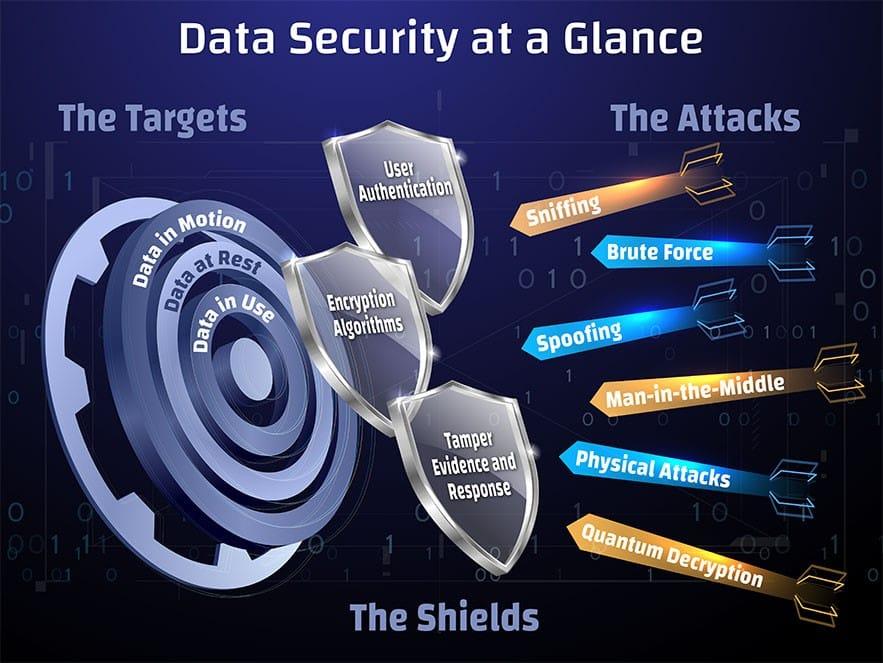
Encrypt data both in transit and at rest to prevent unauthorized access, ensuring student information is unreadable to anyone lacking appropriate permissions.
- SSL/TLS protocols for secure transmission over the internet
- Database Encryption using AES or similar standards
2. Follow Data Minimization Principles
Collect onyl the necessary information required to deliver learning outcomes. Data minimization reduces risk by limiting exposure of sensitive information.
3. Establish clear Consent Mechanisms
Make sure that students and parents understand what data is being collected and how it will be used. Use age-appropriate language and provide opt-in/opt-out choices wherever possible.
4. Regularly Review and Update Privacy Policies
Openness is key. Privacy policies must reflect current practices, be easy to locate and understand, and outline steps for data correction or deletion requests.
5. Employ Role-Based Access Controls
Limit data access by role (e.g., teacher, admin, student). Ensure that only authorized individuals can access sensitive information.
6. Conduct Routine Security Audits
Regularly assess system vulnerabilities and analyze security controls. Audits and penetration testing help identify and remediate risks before they become problems.
7. Train Staff and Students
Education is a vital component of security. Cybersecurity training should be provided for all users, teaching safe data handling, password hygiene, and the risks of phishing.
8. Ensure Compliance With Data Protection Regulations
Familiarize yourself with regulations such as:
- FERPA (Family Educational Rights and Privacy Act) – US student data protection
- GDPR (General Data Protection Regulation) – EU personal data processing
- COPPA (Children’s online Privacy Protection Act) – US child data online
9. Partner With Trusted Technology Providers
Choose EdTech vendors with a proven track record in data privacy and security. Evaluate their certifications,compliance,and history of handling sensitive information.
10. Develop a Data Breach Response plan
Prepare for worst-case scenarios by creating policies and workflows for responding to data breaches. Have a interaction plan to promptly inform affected parties.
Case Studies: Data Privacy in Action
Case Study 1: Protecting Student Data at Scale
When a large school district adopted a popular EdTech learning management system, administrators worked with the provider to ensure end-to-end encryption, detailed user access controls, and regular privacy policy updates. As a result, student data remained secure, and the district saw a significant increase in platform adoption due to parental trust.
Case Study 2: Lessons From a Data Breach
An EdTech startup suffered a data breach exposing users’ email addresses and names. the company promptly notified affected users, worked with cybersecurity experts to patch vulnerabilities, and updated their consent policies. Transparent communication and quick action helped retain user confidence and minimize long-term fallout.
First-Hand Experience: Navigating Data Privacy Challenges
Many educators have experienced first-hand the challenges of integrating digital tools while ensuring student data is secure. One high school teacher shared:
“When our school transitioned to a new digital grading platform, the IT team trained teachers on best data privacy practices. We learned to use strong passwords, verified permissions before sharing student data, and regularly reviewed privacy policies. The robust approach increased our confidence in the system and reassured parents that their children’s information was safe.”
Practical Tips for Educators and Parents
- Review Privacy Settings: Regularly check and update privacy settings on EdTech platforms.
- Monitor Apps: Only use apps vetted and approved by your school or district.
- Teach Data Hygiene: Instruct students in safe online behavior and the importance of keeping personal information private.
- Stay Informed: Subscribe to cybersecurity newsletters or follow relevant organizations for updates and alerts.
Benefits of Prioritizing Data Privacy in EdTech
- Confidence in Digital Learning: Stakeholders feel safe and engaged.
- Enhanced Learning outcomes: A secure surroundings fosters better participation and achievement.
- Long-Term Value: Schools with a reputation for strong data protection attract families and support innovation.
- reduced Legal and Financial Risk: Avoid costly lawsuits and compliance fines.
Conclusion: Building a Culture of Trust in EdTech
In a world where digital learning tools are reshaping education, data privacy in EdTech is not optional—it’s imperative.By adopting essential security strategies, promoting transparency, and continually educating stakeholders, we build safe and trustworthy digital learning environments that empower students to thrive. Navigating the complex security challenges of EdTech requires diligence, collaboration, and a proactive approach that ultimately benefits everyone involved in the learning process.
Remember: Strong data privacy is a cornerstone of successful digital education—invest in it today for a safer tomorrow.