
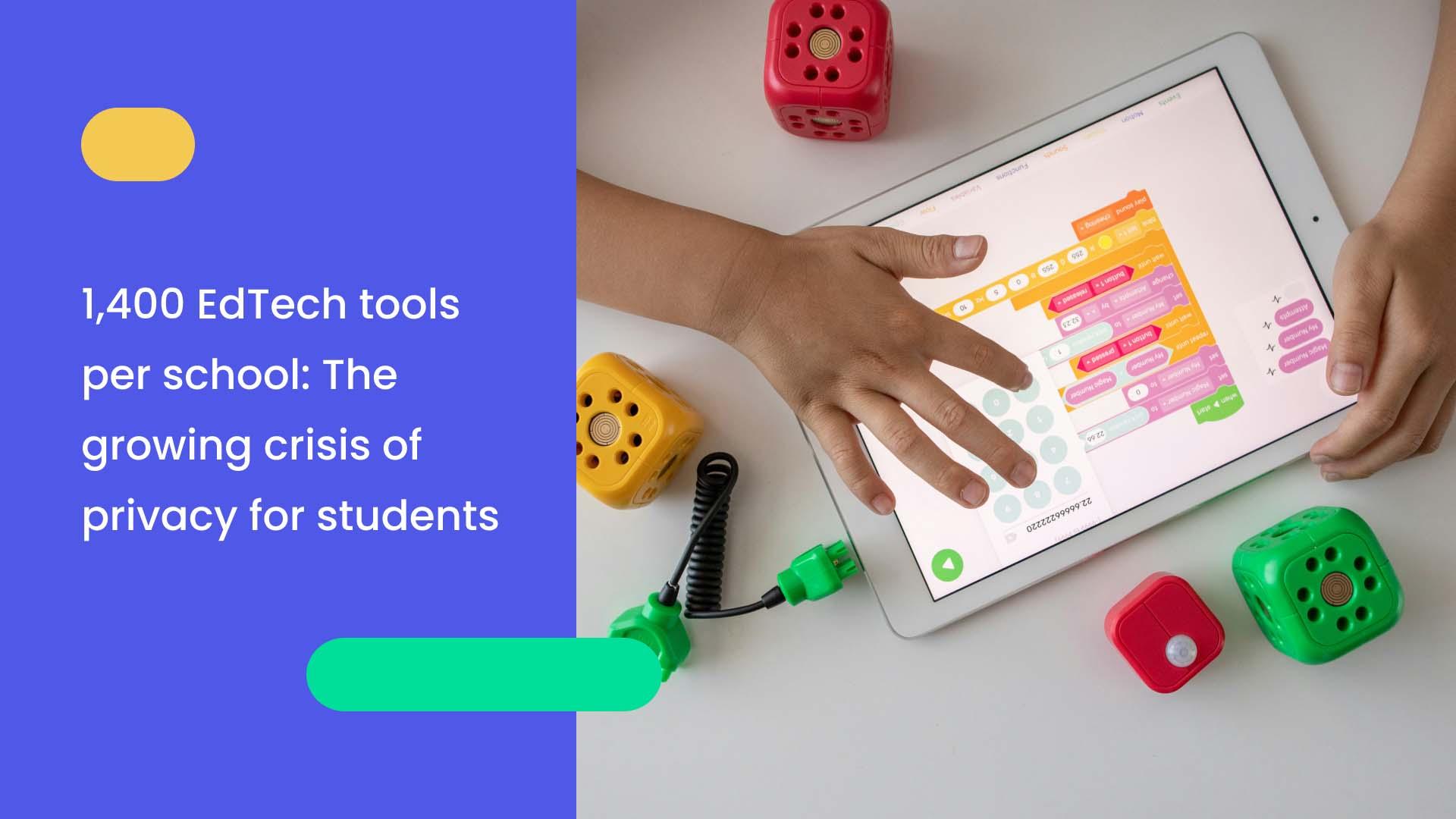
Data Privacy in EdTech: Essential Strategies for Navigating Student Data protection
Data privacy in EdTech has become a critical concern as digital learning platforms increasingly shape the educational landscape. With millions of students engaging through online tools, safeguarding student data is no longer optional—it’s a necessity. This thorough guide will explore effective strategies for data privacy in EdTech, the benefits of data protection, legal frameworks, practical tips, and real-world case studies to empower educational institutions, teachers, administrators, and parents alike.
Why Is Data Privacy in EdTech Importent?
The use of educational technology (EdTech) has revolutionized teaching and learning, but it also introduces complex risks related to student data protection. Here’s why ensuring data privacy in EdTech is vital:
- Safeguards Student Rights: Protects sensitive personal and educational information from unauthorized access.
- Builds Trust: Fosters a safe learning environment and strengthens trust among students, parents, and educators.
- Legal Compliance: Ensures adherence to data privacy laws like FERPA, COPPA, GDPR, and state-specific regulations.
- Prevents Data Breaches: Mitigates risks of financial losses, reputational damage, and identity theft.
Legal Frameworks Governing Student Data Protection
Compliance with regulatory standards is at the core of effective EdTech data privacy. Educational organizations should be familiar with the following:
- FERPA (Family Educational Rights and Privacy Act): A U.S. law that governs access to student education records and ensures parental consent is obtained before sharing information.
- COPPA (Children’s Online privacy Protection Act): Protects the privacy of children under 13, requiring parental consent for online data collection.
- GDPR (General Data Protection Regulation): Impacts EdTech companies serving European students, mandating strict data processing guidelines.
- State-Level Laws: Examples include California’s Student Online Personal information Protection Act (SOPIPA) and New York’s Education Law 2-D.
staying up-to-date with these regulations helps institutions avoid penalties and fosters a privacy-first culture.
Essential Strategies for Navigating Student Data Protection in edtech
To robustly protect student data in digital classrooms, it’s crucial to implement proactive strategies. Here are the best practices recommended by data privacy experts:
1. Conduct Regular Data Privacy Audits
- Review data collection, storage, and sharing practices across all platforms.
- Identify and mitigate vulnerabilities or unnecessary data exposure.
2. Limit Data Collection to What Is Necessary
- Avoid collecting sensitive information like health records or biometric data unless absolutely required.
- Apply data minimization and anonymization principles wherever possible.
3. Strengthen access Controls and Authentication
- Implement role-based permissions for teachers, students, and admins.
- Use multi-factor authentication (MFA) to enhance security protocols.
4. Encrypt Data In Transmission and At Rest
- Utilize strong encryption standards to protect data during transfer and storage.
- Encrypt backups and ensure secure disposal of outdated data.
5. Foster openness and Obtain Informed Consent
- Clearly communicate how student data will be used, stored, and protected.
- Secure parental or student consent for data processing,in compliance with local laws.
6.Offer Data Rights and Portability
- Enable parents and students to access, correct, or request deletion of their data.
- Develop a straightforward process for data requests.
7. Provide Ongoing Training and awareness
- Educate staff,students,and parents on cybersecurity and privacy best practices.
- Stay updated on emerging threats and privacy tech tools in edtech.
Benefits of Strong Data Privacy Practices in EdTech
Prioritizing student data protection brings meaningful advantages:
- Improved Stakeholder Trust: Parents, students, and educators feel more confident using EdTech platforms.
- Reduced Legal and Financial Risk: Minimizes potential fines and legal repercussions from data privacy violations.
- Enhanced Reputation: Schools and providers with robust privacy policies often see increased enrollment and partner engagement.
- supports Personalized Learning: When data is responsibly managed, it enables innovative, adaptive learning experiences.
- Innovation Without Compromise: Secure environments foster the safe exploration and implementation of new technologies.
Practical Tips for Schools and EdTech Providers
Implementing privacy strategies on a practical level can seem daunting, but these tips can demystify the process:
- Review Vendor agreements: Ensure all third-party EdTech vendors adhere to your institution’s data privacy standards.
- Use Privacy by Design: Integrate data privacy considerations into the development of EdTech tools from the start.
- Create Strong Password Policies: encourage unique, complex passwords and regular updates.
- Appoint a Data Protection Officer (DPO): Designate a specialist to oversee privacy compliance and reporting.
- Develop a Clear Data Breach Response plan: Prepare step-by-step procedures for responding to and communicating data breaches.
Case Studies: Navigating data Privacy Challenges in EdTech
Case Study 1: Implementing FERPA Compliance at a School District
A large school district introduced a new learning management system (LMS), triggering concerns about FERPA compliance.Through regular privacy audits and staff training workshops, the district ensured all teachers handled student data responsibly, resulting in zero privacy violations in the following year. Their transparency led to increased parent satisfaction and trust.
Case Study 2: EdTech Startup integrates Privacy by Design
An EdTech startup developing a student assessment tool embedded data privacy features from its earliest design stages—using pseudonymization, strict access controls, and robust encryption. The company gained rapid traction in the K-12 market, as schools appreciated its commitment to student data protection, helping it stand out against competitors.
First-Hand Experience: The Parent’s Perspective
As a parent, witnessing your child’s data being handled by multiple digital platforms can be daunting. Though, one parent shares, “Our school’s clear communication and transparent privacy policies gave me confidence in allowing my child to use online tools. Knowing I could review and even request deletion of my child’s data helped me trust both the school and its chosen EdTech providers.”
Conclusion: Embracing Data Privacy for a Safer Digital Future in Education
Data privacy in EdTech isn’t just a legal obligation—it’s a fundamental part of building a trusted,effective,and innovative learning environment.By adopting comprehensive strategies, fostering a culture of privacy awareness, and choosing technology partners who prioritize student data protection, educators and administrators can help ensure a safer, more secure digital future for every learner.
For further information and resources, regularly consult official data privacy guidelines and stay informed about the latest EdTech data protection trends. Remember: Protecting student data today secures the classroom of tomorrow.