
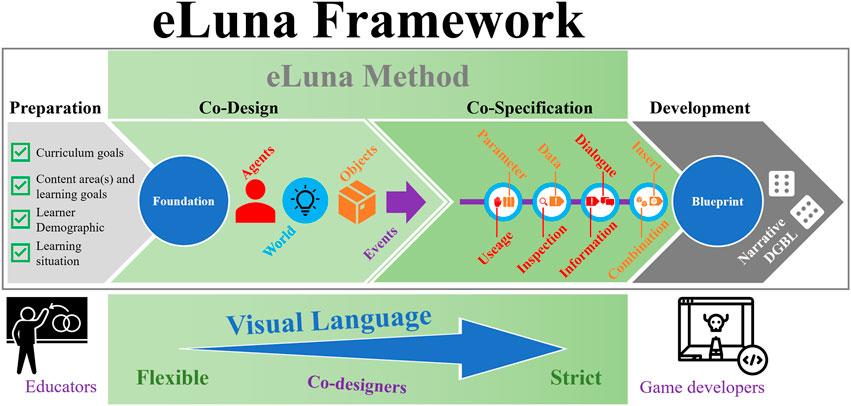
Designing Effective Game-Based Learning Modules: Key Strategies for Success
Game-based learning continues to revolutionize how we educate and engage learners,offering dynamic experiences that foster deep understanding,motivation,and collaboration. yet,the success of game-based learning modules depends on more than just incorporating play—it requires thoughtful design that balances educational objectives with interactive elements.In this comprehensive guide, we explore key strategies for designing effective game-based learning modules, examine benefits, share practical tips, and showcase accomplished case studies to help educators, instructional designers, and organizations harness the full potential of gamified learning.
What Is Game-Based Learning? A modern Approach to Education
Game-based learning (GBL) refers to the use of game mechanics, dynamics, and principles to enhance the learning process. Unlike traditional learning, which relies on passive consumption, game-based learning transforms lessons into interactive experiences, enabling students to learn by doing, collaborating, and problem-solving. From digital simulations to tabletop games, GBL is adaptable for all educational levels and subject areas, promoting active engagement and retention.
Why Game-Based Learning Works: Benefits You Can’t Ignore
- Increased Engagement: Games naturally motivate learners through rewards, achievements, and challenges, resulting in greater participation.
- Deeper Retention: Interactive mechanics urge students to apply knowledge in real-world contexts, improving retention and mastery.
- Personalized Learning: Adaptive gameplay caters to different learning styles and paces, making education more inclusive.
- Collaboration and Social Skills: Multiplayer or cooperative game elements foster teamwork and communication.
- Immediate Feedback: Learners receive instant feedback, enabling self-correction and progressive betterment.
Key Strategies for Effective Game-Based Learning Module Design
To maximize the impact of your game-based learning modules, apply the following core strategies:
1. Align Game Mechanics with Learning Objectives
- Identify Clear Goals: Start by specifying the desired educational outcomes before choosing game elements. Every challenge, puzzle, or badge should directly relate to the learning objectives.
- Balance Fun and Function: Ensure game rules and interactions reinforce concepts rather than distract from them.
- Use Assessment Embedded in Gameplay: design tasks that require learners to demonstrate understanding as part of the game flow.
2. Foster Engagement through Storytelling and Context
- Create a Compelling Narrative: A strong storyline immerses learners, providing meaning and context for tasks and challenges.
- Scenario-Based Learning: Simulate real-world scenarios that require critical thinking and decision-making.
- Role Play Mechanics: Allow learners to take on specific roles that reflect real-life responsibilities, promoting empathy and depth.
3. Offer Multiple Levels and progressive Challenges
- Incremental Difficulty: Structure modules into levels, starting easy and gradually increasing in complexity to build competence and confidence.
- Unlockable Content: Keep learners invested by providing new content, badges, or abilities as rewards for progress.
- Personalized Pathways: Allow flexibility so learners can choose routes based on interests or skill gaps.
4. Integrate Meaningful Feedback and Assessment
- Instant Feedback: Offer real-time responses to learner choices,answer submissions,or game events.
- Analytic Tools: Track learner progress and performance for targeted interventions.
- Reflection Opportunities: prompt learners to consider their actions and strategies after key moments.
5. Encourage Collaboration and Social Interaction
- Co-op and Multiplayer Features: Design collaborative tasks, from solving puzzles together to engaging in friendly competitions.
- Discussion Boards or Chats: Integrate communication channels to foster peer support and idea exchange.
- Group Challenges: Assign tasks that require teamwork, reinforcing both content and soft skills.
Practical Tips for Designing Game-Based Learning Modules
- Select the Right Platform: Whether you use WordPress plugins, dedicated LMS, or custom-built solutions, ensure compatibility, scalability, and ease of use.
- Iterate and Test: Prototype modules and get feedback from actual learners. Refine mechanics, instructions, and design based on user data.
- accessibility Matters: Design games so all learners, including those with disabilities, can participate fully.
- Integrate Visuals and Audio: Invest in appealing graphics,sounds,and videos to create a rich,immersive experience.
- Provide Help and Hints: Include a robust help system or hint mechanics to support learners who get stuck.
- Measure Learning Impact: Use built-in analytics or LMS reports to evaluate effectiveness and justify ROI.
Case Studies: Successful game-Based Learning Implementations
Duolingo: Language Learning through Gamification
Duolingo has transformed language instruction with its game-based learning app. It incorporates levels, streaks, rewards, and adaptive content to engage millions of learners worldwide. The key to Duolingo’s success lies in its mix of instant feedback, bite-sized challenges, and positive reinforcement—making language learning addictive and effective.
Minecraft Education Edition: STEM and Creativity
Minecraft Education Edition uses the popular sandbox game to teach subjects from mathematics to engineering. Through scenario-based quests and collaborative building projects, students learn by creating and problem-solving in immersive worlds. The module’s adaptability allows educational goals, narratives, and challenges to be tailored for any age group.
Foldit: crowdsourced Science
Foldit is an online puzzle game enabling players to solve complex protein folding problems.The game transforms intricate scientific concepts into manageable challenges, with real-world impact—players have contributed to major scientific breakthroughs. Meaningful feedback and high replayability keep participants motivated to learn and try new strategies.
First-Hand Experience: Educator insights
Many teachers and trainers have reported significant improvements in learner outcomes after adopting game-based learning modules.For example, Ms. Laura green, a middle school science teacher, integrated digital quest games into her lessons and saw:
- Up to 30% increase in test scores
- Greater classroom participation and cooperation
- Reduced behavior issues as students remained focused and goal-oriented
- Higher level of retention practiced in follow-up assignments
Educators consistently cite the importance of balancing challenge and support, aligning lesson goals with gameplay, and ensuring frequent formative assessments embedded within the module design.
Best Practices for game-Based Learning Module Development
- Start with learner Needs: Know your audience’s preferences, skill gaps, and motivation levels.
- Prototype Before Full-Scale Launch: Early testing helps identify pain points and usability issues.
- Collaborate Across Disciplines: Bring together subject-matter experts,game designers,and technologists for richer modules.
- Regularly Update Content: Keep games fresh by adding new challenges, storylines, and rewards.
- Encourage Data-Driven Decisions: Use analytics to refine mechanics, content, and assessment methods to better suit learner progress.
Conclusion: Unlock Powerful Learning with Well-Designed Game-based Modules
Designing effective game-based learning modules requires a strategic blend of educational rigor, engaging gameplay, and thoughtful assessment.By applying the key strategies highlighted above, you can create memorable learning experiences that drive both engagement and achievement. Whether you’re an educator, instructional designer, or organization, game-based learning opens up transformative possibilities for student success. Now is the time to integrate these practices into your curriculum or training programs, harnessing the motivational and cognitive benefits of games for a brighter future in education.
Ready to take your teaching or training to the next level? Start creating your own game-based learning module today and watch as learners thrive in dynamic, interactive environments.
Interested in more actionable resources and expert insights on educational technology? Explore our blog for in-depth guides, tips, and the latest trends in game-based learning.