
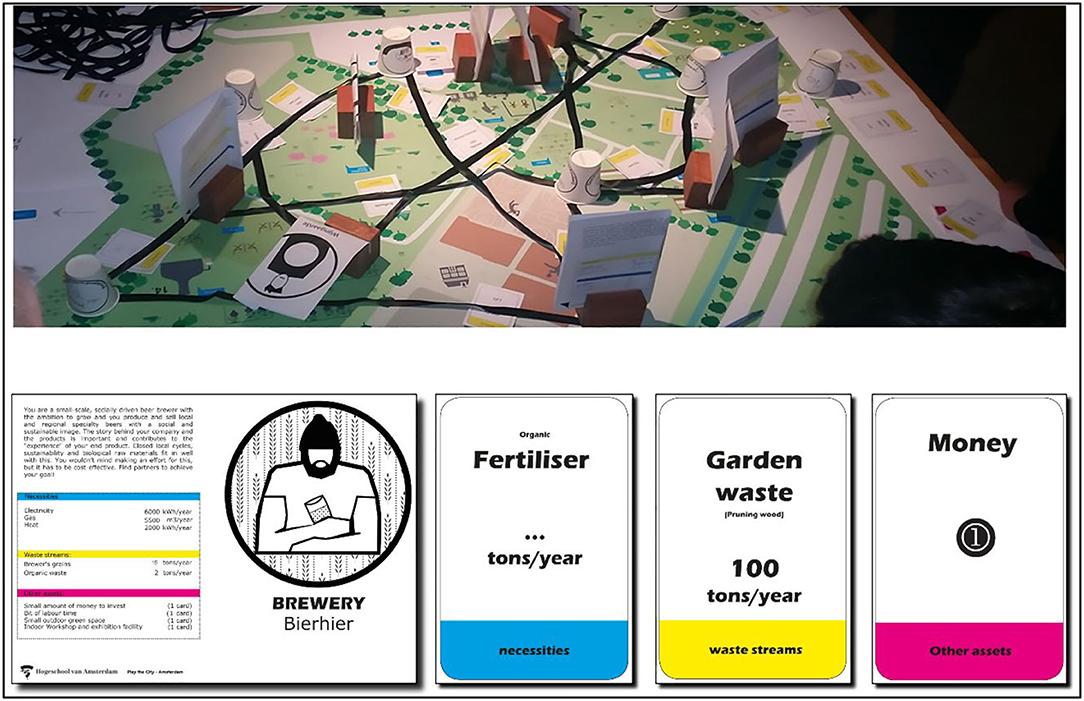
Designing Effective Game-Based Learning Modules: Proven Strategies for Success
Game-based learning modules are transforming education and corporate training by harnessing the power of play. When designed strategically, these modules can boost engagement, promote retention, and achieve meaningful learning outcomes. In this complete guide, we’ll explore the benefits, proven strategies, practical tips, and real-world examples to help you design effective game-based learning modules for learners of all ages.
Understanding Game-Based Learning
Game-based learning (GBL) integrates game mechanics, design principles, and interactive elements within educational environments. This learner-centered approach harnesses the innate motivation users experiance while playing games, making the learning process more dynamic and interactive.
- Game Elements Included: Storytelling, challenge, feedback, rewards, competition, and collaboration
- Platforms: Digital games, mobile apps, web-based modules, and even analog board games
- Purpose: Teaching concepts, skills, or behaviors in a manner that is both enjoyable and memorable
Benefits of Game-Based Learning Modules
Effective game-based learning modules offer a myriad of advantages compared to customary educational approaches. Some of the key benefits include:
- Increased Engagement: Games captivate learners’ attention, reducing boredom and enhancing focus.
- Active Participation: Learners are encouraged to make decisions, solve puzzles, and interact with content.
- Immediate Feedback: Players receive real-time feedback on their performance, which supports faster learning.
- Safe Failure: Learners can experiment, make mistakes, and learn from them without real-world risks.
- Collaboration & Social Skills: Many modules incorporate teamwork, promoting communication and collaboration.
- Retention & Transfer: The engaging nature of games helps embed concepts for longer and facilitates knowledge transfer.
- Motivation to Learn: Achievements, rewards, and progression systems drive learners to complete modules and pursue mastery.
Proven Strategies for Designing Effective Game-Based Learning Modules
Crafting high-impact game-based learning modules requires careful planning and thoughtful integration of educational and gameplay elements. Here are proven strategies to ensure success:
1. Align Game Mechanics with Learning objectives
Start by defining clear learning goals. Each game element—whether it’s a level, challenge, or reward—should directly support your educational objectives.
- Instructional Alignment: Align tasks and challenges with curriculum standards or skill requirements.
- Goal-Driven Design: Ensure that game progression mirrors mastery of specific concepts.
2. balance Challenge and Skill Level
Effective game-based modules maintain a delicate balance between difficulty and learners’ abilities. Design tasks that are neither too hard nor too easy.
- Adaptive Difficulty: Use branching paths or adjustable levels to cater to various skill levels.
- Scaffolded Progression: Guide learners from simple to complex concepts.
3. Incorporate Feedback and Assessment
Immediate feedback helps learners correct mistakes and refine their understanding. Integrate formative assessments within gameplay.
- Real-Time Feedback: Visual cues, scores, and hints enhance understanding.
- Quizzes and Challenges: Use in-game assessments to track progress.
4. Use Storytelling and Narrative Elements
Stories create context and emotional engagement. Design a compelling narrative that ties educational content to in-game actions.
- Story-Driven Missions: embed instructional content within an overarching story.
- Character and Plot Progress: Allow players to relate to the game and immerse themselves in the learning experience.
5.Foster Collaboration and Social Interaction
Social elements enrich game-based learning. Integrate multiplayer features, group challenges, or leaderboards to promote teamwork and healthy competition.
- multiplayer Modes: Encourage collaboration and peer learning.
- Community Building: Facilitate user forums, discussions, and sharing of accomplishments.
6. Integrate Rewards and Motivation Systems
Incorporate badges, points, unlockable content, and achievements to keep learners motivated and progressing.
- Reward Systems: Recognize accomplishments at every stage.
- Progression Tracking: Showcase advancement through levels and learning milestones.
7. Prioritize Accessibility and Inclusivity
Design modules that are accessible to all learners, including those with disabilities. Use clear visuals, audio cues, and adaptable controls.
- Accessible Design: Follow universal design principles and test modules with diverse groups.
- Language & Literacy Support: Offer explanations, translations, or additional support as needed.
Practical Tips and Best Practices for Game-Based Learning Design
- Start Small: Pilot your module with a small group and gather feedback for refinement.
- Use Analytics: Track learner engagement and outcomes to continuously improve your design.
- Leverage Existing Tools: Consider platforms like Unity,Articulate Storyline,or WordPress plugins for rapid development.
- Iterate Frequently enough: Be prepared to tweak mechanics,storylines,or levels based on user data and feedback.
- Integrate with Curriculum: Ensure seamless alignment with classroom or organizational learning priorities.
- Encourage Reflection: Provide opportunities for learners to reflect on what they’ve learned and how they can apply it outside the game context.
Case Studies: Game-Based Learning in action
Case Study #1: Classcraft in Middle School Science
Classcraft gamifies the middle school science curriculum by creating digital quests, character building, and teamwork challenges. Teachers reported:
- 40% increase in student engagement
- Improved classroom collaboration
- Higher retention rates for core science concepts
Students responded positively, citing the game elements as both fun and motivating.
Case Study #2: Duolingo for Adult Language Learners
Duolingo employs points, streaks, leaderboards, and adaptive challenges to foster language learning. Adult learners noted:
- Greater persistence in daily learning habits
- The ability to practice in a safe, low-pressure habitat
- Instant feedback and tailored content improved confidence and fluency
Case Study #3: corporate Training with Kahoot!
Kahoot! transforms corporate compliance training into interactive, fun quizzes. Organizations found:
- Increased participation rates
- Better retention of complex details
- Employees were more motivated to complete mandatory modules
Conclusion
Designing effective game-based learning modules requires more then just adding points and badges—it demands thoughtful integration of game mechanics with clear educational objectives and an understanding of learner needs. By following proven strategies such as aligning gameplay with objectives, balancing challenge, providing feedback, and prioritizing inclusivity, you can create memorable, impactful learning experiences.
Whether you’re an educator, instructional designer, or corporate trainer, game-based learning offers a transformative approach for boosting engagement and performance. Begin your journey now—pilot your ideas, listen to your learners, and let the power of play reshape your educational landscape!