
Designing Effective Microlearning Modules: Key Strategies for Engaging Learners
Microlearning has rapidly become a cornerstone in modern eLearning. With learners seeking concise, focused, and easily digestible content, designing effective microlearning modules is critical for both engagement and knowledge retention. This article explores proven strategies, practical insights, and real-world examples for creating high-impact microlearning experiences that capture attention and drive results.
What is Microlearning?
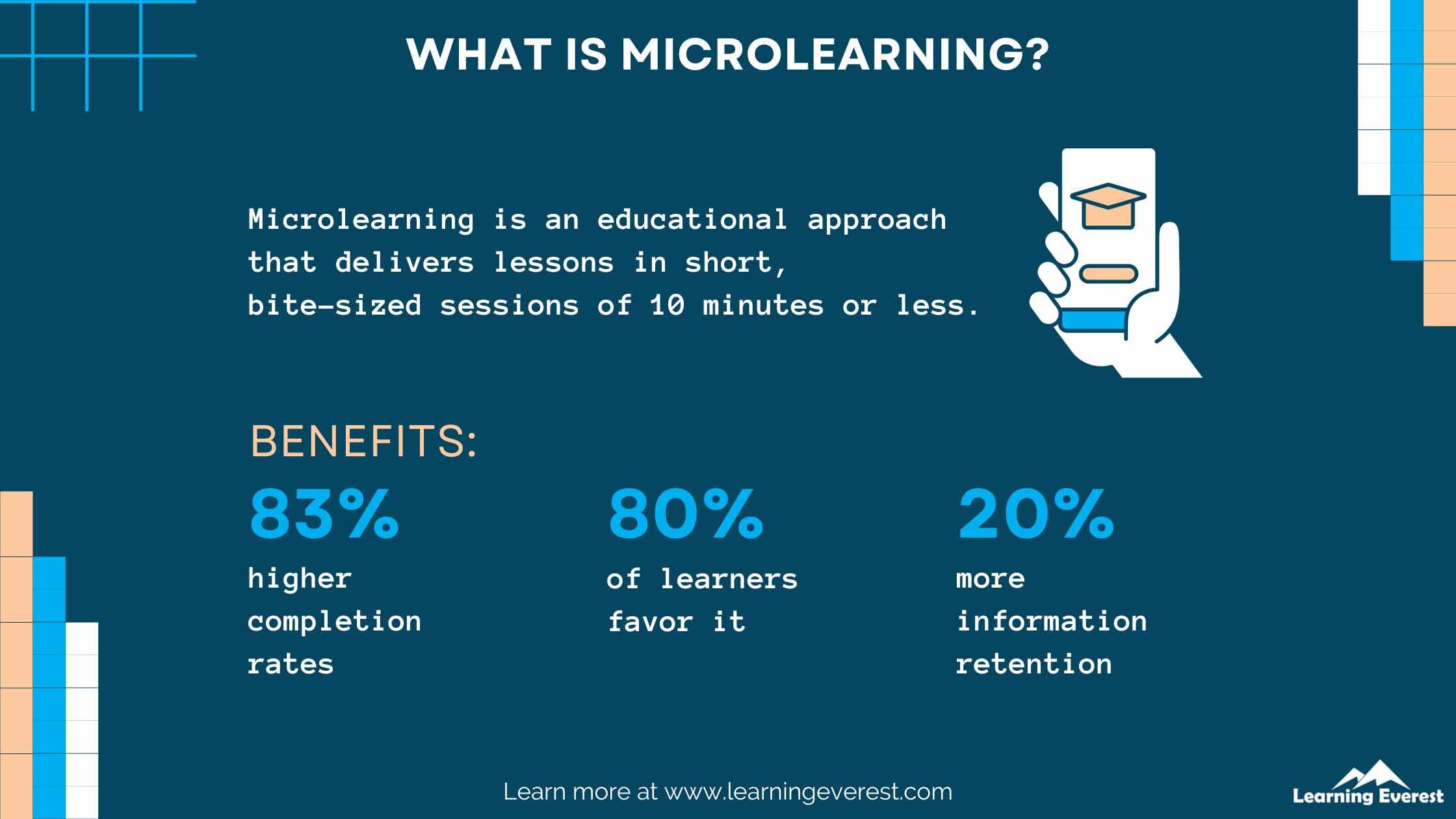
Microlearning refers to small, targeted learning units or short learning activities—typically lasting less than 10 minutes—that focus on a single learning objective or concept. Unlike traditional training methods, microlearning modules are designed for easy consumption on various devices, ensuring versatility and accessibility for learners.
- Bite-sized: Delivers concise data in short bursts.
- Mobile-friendly: easily accessible via smartphones and tablets.
- Just-in-time: Provides learning at the moment of need.
- Focused: Targets a specific skill or knowledge area.
benefits of Microlearning
Implementing microlearning modules offers a wealth of advantages for both learners and organizations. Here are some key benefits:
- Increased Learner Engagement: Short modules prevent boredom and maintain attention.
- Improved Knowledge Retention: Focused lessons help learners remember information better.
- Flexibility: Easily integrates into busy schedules, promoting self-paced learning.
- Cost-effective: Lower progress and delivery costs than traditional training.
- Scalability: enables fast updates and easy integration with existing eLearning platforms.
Key Strategies for Designing Effective Microlearning Modules
To maximize the impact of your microlearning modules, employ these essential strategies:
1. Define Clear Learning Objectives
- Identify the specific skills or knowledge learners should gain.
- Keep each module focused on a single,actionable goal.
- Use measurable objectives to track learner progress.
2.Segment Content Into Bite-Sized Chunks
- Break complex topics into digestible segments.
- Limit module duration to under 10 minutes for optimal engagement.
- Use logical progression to help learners build on prior knowledge.
3. Leverage Multimedia and Interactive Elements
- Incorporate videos, animations, infographics, and audio clips to boost interest.
- Use quizzes, polls, and clickable activities for interactive engagement.
- Ensure all media is mobile-optimized and accessible.
4. Personalize the Learning Experience
- Use adaptive learning paths based on user performance.
- Provide recommendations for next steps and related topics.
- Address individual learning styles through varied content formats.
5. incorporate Real-World Scenarios and Practical Examples
- Use case studies and simulations to relate content to real applications.
- Make learning relevant to learners’ daily roles and challenges.
- Apply scenario-based questions to foster critical thinking.
6. Encourage Continuous Feedback and Reinforcement
- Provide instant feedback after quiz questions and activities.
- Offer tips and resources for further exploration.
- Use spaced repetition for key concepts to boost retention.
7. Optimize for Mobile and Accessibility
- Design modules that perform seamlessly across devices.
- Ensure compliance with accessibility standards (WCAG).
- Use readable fonts, high-contrast colors, and intuitive navigation.
practical Tips for Creating Engaging microlearning Modules
- Start with a hook: Use an intriguing question or scenario to grab attention.
- Simplify language: Keep wording clear and jargon-free.
- Use story-telling: Tell a story to illustrate concepts and make the content memorable.
- Visual design matters: Employ clean layouts, clear headings, and appealing images (CSS Tip:
.microlearning-image { border-radius: 8px; box-shadow: 0 4px 20px rgba(0,0,0,0.1); }). - Test and iterate: Gather user feedback and refine modules for better engagement.
Case Study: Microlearning in action
ACME Corporation, a leading tech firm, transformed its traditional onboarding process into a series of microlearning modules. Each module focused on a specific tool or process, lasting no more than 7 minutes. Results included:
- 30% increase in new hire knowledge retention.
- 40% reduction in training time and costs.
- Improved employee satisfaction and faster productivity.
this success story illustrates how microlearning can streamline training and deliver measurable outcomes for organizations.
First-Hand Experience: insights from Instructional Designers
“One of the most impactful changes we made was to transform lengthy compliance courses into short, scenario-based microlearning modules. Learner engagement soared, and completion rates doubled.Keeping content focused and interactive made all the difference.”
– Jamie L., senior eLearning Designer
Instructional designers consistently emphasize the value of quick wins, interactivity, and personalization in making microlearning modules more effective and enjoyable for learners.
Optimizing Microlearning for WordPress and eLearning Platforms
If you’re using WordPress to deliver microlearning content, leverage plugins like Learndash or WP Courseware for easy course management. Use responsive themes and custom CSS to enhance usability:
.microlearning-content {

  padding: 2em;

  background: #f5f5f5;

  border-radius: 10px;

  margin-bottom: 2em;

}

.microlearning-image {

  border-radius: 8px;

  box-shadow: 0 4px 20px rgba(0,0,0,0.10);

  margin: 1em 0;

}
- Ensure all content blocks are clearly structured with
- Embed interactive quizzes and videos for maximum engagement.
- Test modules across devices to guarantee an excellent mobile user experience.
Conclusion
Designing effective microlearning modules is not just about breaking content into smaller parts—it’s about creating focused, engaging, and accessible learning experiences. By applying best practices such as clear objectives, multimedia interactivity, mobile optimization, and continuous feedback, you can maximize learner engagement and drive meaningful results for your organization.
Whether you’re just starting with microlearning or looking to refine existing modules, the strategies and tips outlined in this guide will ensure your learners stay motivated, informed, and empowered to succeed.