
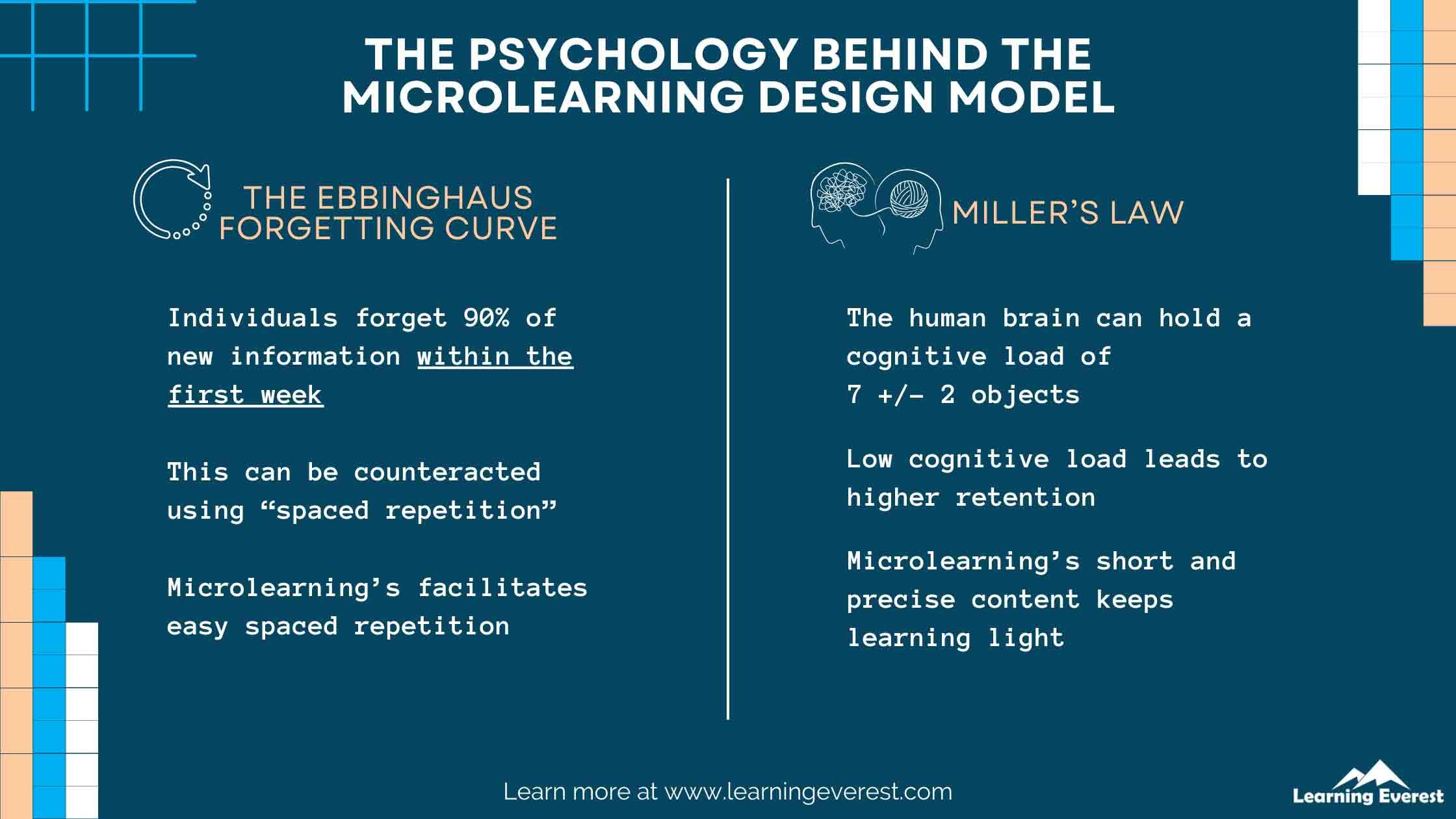
Designing Effective Microlearning Modules: Key Strategies for Impactful Training
Microlearning has rapidly gained popularity as a transformative approach to corporate training, education, and skill progress.With its concise content, versatility, and mobile-first orientation, microlearning empowers learners to grasp information quickly and efficiently, making it a top choice for organizations seeking impactful training solutions. In this extensive guide, we will explore the benefits, key strategies, and best practices for designing effective microlearning modules that drive engagement, retention, and real-world results.
What Is Microlearning?
Microlearning refers to the delivery of training content in small, easily digestible chunks. Frequently enough lasting no more than 5-10 minutes, microlearning modules focus on single learning objectives and leverage multimedia formats—such as video, infographics, interactive quizzes, and simulations—to maximize engagement. With the rise of mobile devices and shrinking attention spans, microlearning enables “learning in the flow of work,” supporting just-in-time training and continuous employee development.
Why Microlearning Matters: Key Benefits
- Improved Knowledge Retention: Bite-sized learning reinforces core concepts through repetition and varied formats, boosting long-term retention.
- Increased Engagement: Interactive and short modules cater to modern learners’ preferences, sustaining interest and motivation.
- Flexible & On-Demand: Learners control the pace and place—accessing content whenever and wherever needed.
- Cost-Effective & Scalable: Microlearning modules are easy to update and deploy, lowering maintenance costs and supporting global scalability.
- Supports Modern Learner Needs: Perfect for mobile learning, remote work, and fast-paced business environments.
Key Strategies for Designing Impactful Microlearning Modules
Creating microlearning modules that truly drive results requires a thoughtful blend of instructional design, learner psychology, and digital best practices. Here are essential strategies to ensure your training initiatives are impactful:
1. Focus on Single, Clear Objectives
- Each module should address one specific skill or concept.
- Set measurable outcomes—what should the learner be able to do after completion?
- Use clear, concise language to avoid cognitive overload.
2. Keep Content Concise and Relevant
- Trim unnecessary details and focus on actionable information.
- Prioritize “need-to-know” over “nice-to-know” content.
- Use microlearning to reinforce larger training programs, not to replace depth where needed.
3. Make It Interactive
- Embed videos, gamified quizzes, clickable scenarios, and instant feedback.
- Allow learners to practice skills in safe, low-risk environments.
- Create branching scenarios that mimic real-life decision-making.
4. Leverage Multimedia
- Use a mix of visuals, audio, and text to appeal to different learning styles.
- Integrate infographics,animations,and micro-assessments within the module.
- ensure all assets are optimized for fast loading and mobile devices.
5. Build for Mobile First
- Design microlearning modules responsive to various device sizes.
- Keep navigation simple; use larger buttons and touch-friendly interfaces.
- Test modules on multiple platforms and browsers for accessibility.
6. Incorporate social and Collaborative Features
- Add discussion boards, chat integrations, or peer-review elements.
- Encourage employees to share insights and best practices.
- Gamify learning with leaderboards and recognition for participation.
7. Measure, Analyze, and Iterate
- Use built-in analytics to track completion rates and quiz scores.
- Gather learner feedback and reviews for continuous improvement.
- Update microlearning modules based on performance data and institution needs.
Practical Tips for Building Effective Microlearning Modules
- Chunk Your Content: break topics into 5-7 minute segments for maximum retention.
- Start with a “Hook”: Use stories, questions, or surprising facts to capture attention instantly.
- End with a Call-to-Action: Encourage learners to apply knowledge or explore additional resources.
- Use Consistent Branding: Maintain visual and linguistic consistency for professionalism and trust.
- accessibility Is Key: Caption all videos, use sufficient contrast, and provide alt-text for images.
- Test Before Launch: Run usability tests and gather pilot group feedback to refine content.
Case Study: Microlearning in Action
XYZ Manufacturing implemented microlearning modules to revamp their safety training program. Traditional 2-hour workshops were replaced by a series of eight 7-minute interactive scenarios accessed via smartphones. Completion rates rose from 53% to 95%, and incident reports dropped by 32% within three months. Employees cited the convenience and practical relevance of the modules as key factors in their improved engagement and safety awareness.
First-Hand Experience: Insights from Training Leaders
We spoke with several training managers from leading tech companies who shared their experience with designing and deploying microlearning:
“Microlearning enabled our team to upskill rapidly—especially when launching new software features. Short video tutorials and instant quizzes kept everyone motivated and decreased support tickets by 22%.”
– Amanda R., Learning & Development Director
“The flexibility to learn on mobile devices during commutes was a game-changer for our remote employees. They feel empowered to control their learning journey, and our completion rates have soared.”
– Mark T., Training Manager
Best Practices for Microlearning Success
To ensure lasting training impact, adhere to these best practices:
- Integrate Microlearning with Existing Programs: Use as reinforcement tools alongside traditional workshops and eLearning modules.
- Personalize Learning Paths: Allow learners to select modules tailored to their roles and interests.
- Schedule Regular Updates: Keep content fresh and relevant to organizational changes.
- Track & Reward Completion: Motivate learners through badges, certificates, or recognition events.
- encourage Feedback: Foster a culture of continuous improvement through open channels for suggestions and comments.
Conclusion: Unlocking the Power of Microlearning for Modern Training
In an era where agility, relevance, and engagement are paramount, microlearning delivers unparalleled value for organizations and learners alike. By focusing on single objectives, leveraging interactive and multimedia-rich formats, and prioritizing user experience and accessibility, training managers can develop impactful microlearning modules that boost retention, performance, and satisfaction.
Start small, measure success, and iterate—your journey to effective microlearning begins with strategic design and a learner-centric approach. The result? Training that truly sticks, supports business goals, and fosters a culture of lifelong learning.
Ready to Transform Your Training?
explore more about microlearning, instructional design, and the latest eLearning trends on our blog. For hands-on consulting, contact our team to start your microlearning journey today!