
Designing Effective Microlearning Modules: Key Strategies for Maximum Impact
Microlearning has revolutionized modern corporate training and eLearning by delivering targeted, bite-sized content that facilitates fast learning and long-term retention.As learner preferences shift toward more flexible, personalized experiences, it’s crucial for instructional designers and learning professionals to master the art of creating high-impact microlearning modules. In this in-depth guide, we explore essential strategies, actionable tips, and proven benefits to help you design microlearning modules that drive results and enhance learner engagement.
What is Microlearning? A Brief Overview
Microlearning refers to educational content that is short, focused, and designed to meet specific learning objectives. Unlike customary lengthy courses, microlearning modules typically last between 2 to 10 minutes, targeting one or two key concepts at a time. By leveraging easily digestible, mobile-pleasant formats, microlearning empowers learners to absorb information quickly and apply it instantly.
Benefits of Microlearning for Modern Learners
Before diving into design strategies, let’s explore why microlearning has become a preferred choice for organizations and learners alike:
- Enhanced Retention: Bite-sized learning reduces cognitive overload, leading to superior knowledge retention and recall.
- Improved Engagement: Short, interactive modules maintain learner interest and motivation.
- Flexibility & Accessibility: Learners can access content anytime, anywhere, using their preferred devices.
- Cost-Effectiveness: Microlearning modules are quicker and more affordable to develop and update compared to traditional courses.
- Personalized Learning Pathways: Microlearning makes it easy to create modular curricula that address individual learning needs.
Key Strategies for Designing Effective Microlearning Modules
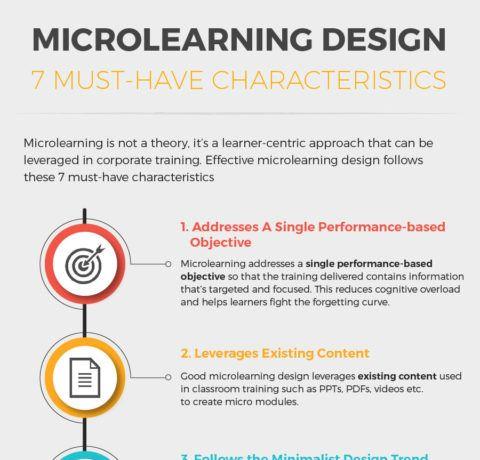
To ensure your microlearning initiative delivers maximum impact, it’s essential to follow proven instructional design frameworks tailored to the microlearning context. Below are key strategies and best practices for creating powerful microlearning experiences:
1. Define Clear Learning Objectives
- Start with a precise and actionable learning outcome for every module.
- Use Bloom’s Taxonomy to craft measurable objectives (e.g.,“List key safety procedures”).
- Align each module’s content to a single, focused goal to prevent scope creep.
2. Keep Content Concise and Focused
- Stick to one or two main ideas per microlearning unit.
- use real-world scenarios and practical examples to illustrate concepts concisely.
- Edit ruthlessly—remove any information that doesn’t directly support the learning objective.
3. Leverage Diverse Multimedia Elements
- Incorporate a mix of video, audio, infographics, and animations to cater to different learning styles.
- Break up text with images, icons, and short video clips to make content visually appealing and digestible.
- Utilize scenario-based branching to create interactive, immersive microlearning experiences.
4. optimize for Mobile and On-the-Go Learning
- Design modules using responsive layouts that work seamlessly on smartphones and tablets.
- Ensure buttons, menus, and interactive elements are touch-friendly and spaced adequately.
- Compress multimedia assets to minimize loading times and improve user experience.
5. Incorporate Interactivity and Real-Time Assessment
- Add interactive quizzes, knowledge checks, and drag-and-drop activities to reinforce learning.
- Use instant feedback to correct misconceptions and solidify understanding.
- Gamify modules with badges,leaderboards,or progress trackers to boost engagement.
6. Personalize the learning Experience
- Allow learners to choose modules relevant to their roles or skill gaps.
- Embed adaptive pathways that reccommend next steps based on assessment results.
- Provide options for learners to bookmark or revisit content as needed.
7. Enable easy Integration with Existing LMS
- Package modules in SCORM, xAPI, or other compatible formats for seamless LMS deployment.
- utilize analytics and reporting to track usage and measure learning outcomes.
- Schedule periodic updates to keep modules current and relevant.
Practical Tips for Maximum Impact in Microlearning Design
Ready to put your microlearning strategy into action? Here are some expert, field-proven tips for designing effective and impactful modules:
- Chunk Content Thoughtfully: Split lengthy topics into logical micro-units for faster comprehension.
- Write Clear, Actionable Titles: Use descriptive, benefit-driven headlines for each module.
- Keep language Simple: Avoid jargon; use plain language for clarity and accessibility.
- Use Storytelling Techniques: Frame content with relatable scenarios to make learning memorable.
- Utilize Calls-to-Action: End each module with a clear next step, such as applying the skill, exploring further, or taking a short assessment.
Case Study: Microlearning Success in Corporate Training
Case Study: Accelerating Compliance Training with Microlearning
A leading healthcare organization faced challenges with low engagement and poor retention in their annual compliance training. By transitioning from a 2-hour eLearning course to a series of twelve 5-minute microlearning modules—each addressing a specific compliance requirement—they observed a 40% reduction in learner drop-off rates and an increase in knowledge retention scores by 32%. Push notifications and real-time quizzes kept staff engaged, while mobile access allowed busy clinicians to complete training during downtime. The result? Rapid deployment, higher completion rates, and demonstrably improved compliance across the organization.
First-Hand Experience: what Learning Designers Say
“When designing microlearning modules,I found that focusing on one core skill per lesson makes the content more digestible and actionable. Short video snippets and scenario-based quizzes have been especially effective for engagement among my corporate clients.”
— Maria Chen, Senior Instructional Designer
Best Practices for Lasting Learning Impact
- Continuously gather end-user feedback and iterate modules based on learner needs.
- Balance visual elements and text to avoid overwhelming or under-stimulating learners.
- Empower learners to control their pace and revisit modules as necessary.
- Use spaced repetition and recap questions to reinforce key concepts over time.
- Align learning analytics with business outcomes to showcase ROI.
Conclusion: transform Your Learning Strategy with Microlearning
Effective microlearning modules are more than just short eLearning segments—they are agile solutions designed for modern learners who crave relevance, flexibility, and immediate value. By applying these key strategies for designing microlearning modules, organizations can maximize engagement, boost knowledge retention, and drive measurable performance improvements.
Whether you’re upgrading compliance training, onboarding programs, or sales enablement initiatives, strategic microlearning design ensures your content delivers a maximum impact with minimal learner fatigue. Invest in smart microlearning today and empower your teams with continuous, on-demand learning that truly makes a difference.
Frequently Asked Questions (FAQs)
- How long should a microlearning module be?
Most effective microlearning modules last between 2 to 10 minutes, focusing on a single concept.
- Can microlearning be used for complex subjects?
Yes! Break complex topics into a series of microlearning units, each addressing a sub-topic or skill.
- What tools are best for creating microlearning?
Popular tools include Articulate Rise, Adobe Captivate, Elucidat, and Lectora for rapid interactive module development.
Ready to Elevate Your Learning Program?
Designing effective microlearning modules requires intentional planning,creative execution,and ongoing optimization. With these strategies and insights, you’re well-equipped to create impactful, learner-centric microlearning that delivers lasting results in your organization.