
Designing Effective Microlearning modules: Proven Strategies for Engaging and Impactful Learning
introduction to Microlearning
Microlearning has become a powerful approach in online education and workplace training. By delivering concise, focused learning experiences, microlearning modules help learners absorb details effectively and retain knowledge longer. In today’s fast-paced digital world, designing microlearning modules that are both engaging and impactful is crucial for organizations and educators seeking optimal learning outcomes.
In this complete guide, we’ll explore proven strategies for designing effective microlearning modules, discuss key benefits, and provide practical tips for increasing learner engagement and retention. Whether you’re an instructional designer, corporate trainer, or educator, these insights will elevate your microlearning content and boost your training ROI.
What Is Microlearning?
microlearning refers to targeted, bite-sized learning experiences, usually delivered digitally. Each module focuses on a single learning objective, making knowledge transfer simple and memorable. microlearning content can take many forms, such as short videos, infographics, quizzes, or interactive scenarios.This flexible methodology is ideal for modern learners who prefer speedy, on-demand access to relevant information.
- Short and focused lessons (typically 2–7 minutes)
- Easily accessible across devices
- Addressing specific skills or competencies
- Encourages self-paced learning and just-in-time access
Benefits of Microlearning Modules
Incorporating microlearning into your instructional design offers a range of benefits:
- Greater Engagement: Short modules hold learners’ attention and reduce cognitive overload.
- Improved Retention: focused content aids memory and recall.
- Flexibility: Learners can access modules anytime, anywhere, increasing participation.
- Cost Effectiveness: Reduces development time and expenses compared to customary courses.
- Scalability: Easy to update and deploy across large organizations.
Proven Strategies for Designing Effective Microlearning Modules
To maximize the impact of your microlearning modules, employ these expert design strategies:
1. define Clear Learning Objectives
Each microlearning module should focus on a single, clear learning objective. Avoid overloading content. Start by identifying the key skill or knowledge you want your learner to master, and ensure all resources and activities align with this goal.
2. Break Content Into Bite-Sized Chunks
Chunking content makes it easier for learners to process and retain information. Use short videos, infographics, or step-by-step guides to illustrate concepts succinctly.
- Limit modules to 2–7 minutes
- Focus on one topic per module
- Use clear headings and bullet points for readability
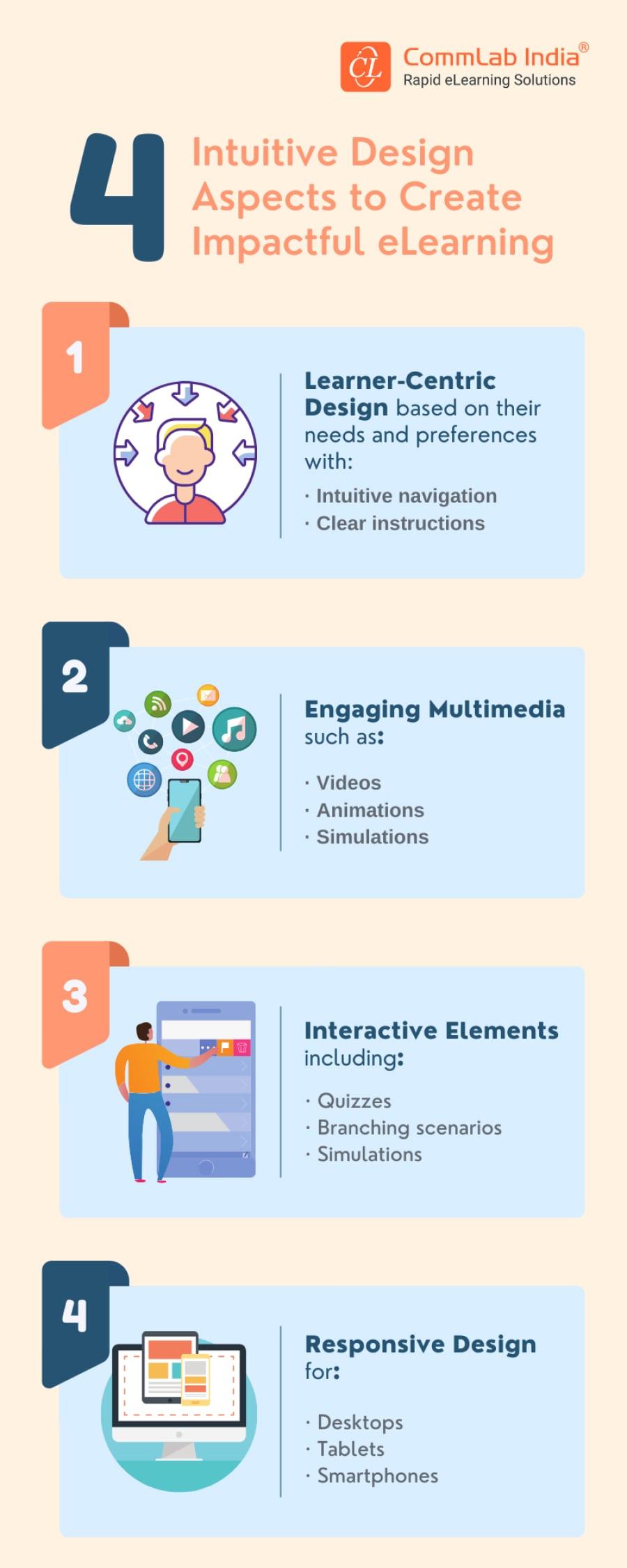
3. Apply Interactive Elements
Boost engagement by incorporating interactive components. Activities such as quizzes, drag-and-drop exercises, case scenarios, or gamification elements encourage active participation and reinforce learning.
4. Use Visuals and Multimedia Wisely
Visual aids improve comprehension. Combine text with relevant images, videos, and audio to create stimulating modules. Ensure all multimedia assets are mobile-friendly and support accessibility standards.
5. Encourage Repetition and Practice
Repetition is key to mastering skills and concepts. Include opportunities for learners to revisit material or practice new knowledge through micro-assessments and feedback.
6.Provide Instant Feedback
timely feedback enhances learner motivation and self-correction. Automated responses in quizzes or exercises help learners understand mistakes and refine their understanding.
7. Design for Mobile and On-the-Go Learning
Microlearning shines in mobile environments. Optimize modules for small screens, fast loading times, and intuitive navigation to ensure seamless experiences on smartphones and tablets.
8. Utilize Storytelling Techniques
Stories make content relatable and memorable. Integrate micro-narratives, real-life examples, or short case studies to contextualize learning, especially for soft skills and compliance training.
Practical Tips for Effective Microlearning Module Creation
- Keep content relevant: Align with learner goals and job roles.
- Use clear,simple language: Avoid jargon and technical terms unless necessary.
- Test and iterate: Collect learner feedback and optimize modules regularly.
- Integrate microlearning into a blended approach: Combine with longer-format training for holistic learning experiences.
- Employ SCORM or xAPI standards: Ensure compatibility with popular Learning Management Systems (LMS) like WordPress LMS plugins or LearnDash.
Microlearning Module Design Case study
Case: Customer Service Training in a Retail Company
A national retailer sought to enhance customer service skills across 5,000 employees. The training department developed a series of 5-minute microlearning modules focusing on common customer scenarios, conflict resolution, and product knowledge.
- Modules featured interactive role-play videos and quick quizzes.
- Accessible via company LMS and mobile app.
- Feedback surveys indicated a 33% increase in engagement, and post-training assessments revealed a 25% advancement in customer satisfaction scores.
Result: By employing microlearning, the retailer streamlined onboarding and upskilled its workforce, driving measurable business impact.
First-Hand Experience: From an Instructional Designer
“when I first integrated microlearning modules into our healthcare training program,” shares ana, an instructional designer, “I noticed team members were eager to complete lessons during their busy shifts. short quizzes and scenario-based videos became favorites,and skill retention improved considerably.The key was focusing on one outcome per module, making everything actionable and relevant.”
Ana’s experience highlights the importance of user-centered design in microlearning. By prioritizing learner convenience and immediate applicability, instructional designers can achieve outstanding results.
SEO Optimization Tips for Microlearning Content Designers
- Keyword Placement: Naturally include relevant keywords such as “microlearning modules,” “effective microlearning,” and “engaging learning strategies.”
- Use H2/H3 Headers: Organize content with clear heading tags for improved search visibility.
- Optimize Meta Information: Craft descriptive meta titles and meta descriptions reflecting target keywords.
- Image SEO: Use meaningful file names and alt text for images in your modules.
- Internal Linking: Connect microlearning articles and course landing pages for increased dwell time.
Conclusion: Creating Impactful Microlearning Modules
Microlearning continues to redefine digital education and workplace training by making learning faster, more focused, and highly engaging. With the strategies and practical tips outlined above, you can design microlearning modules that captivate learners and deliver lasting results. Remember, the key to success is relevancy, simplicity, and interactivity. Whether you’re launching a new training program or updating existing content, effective microlearning is a proven pathway to better learning outcomes and greater organizational impact.
Ready to start designing your own engaging and impactful microlearning modules? Leverage these best practices, test your approach, and watch your learners thrive in a flexible, mobile-first world!