
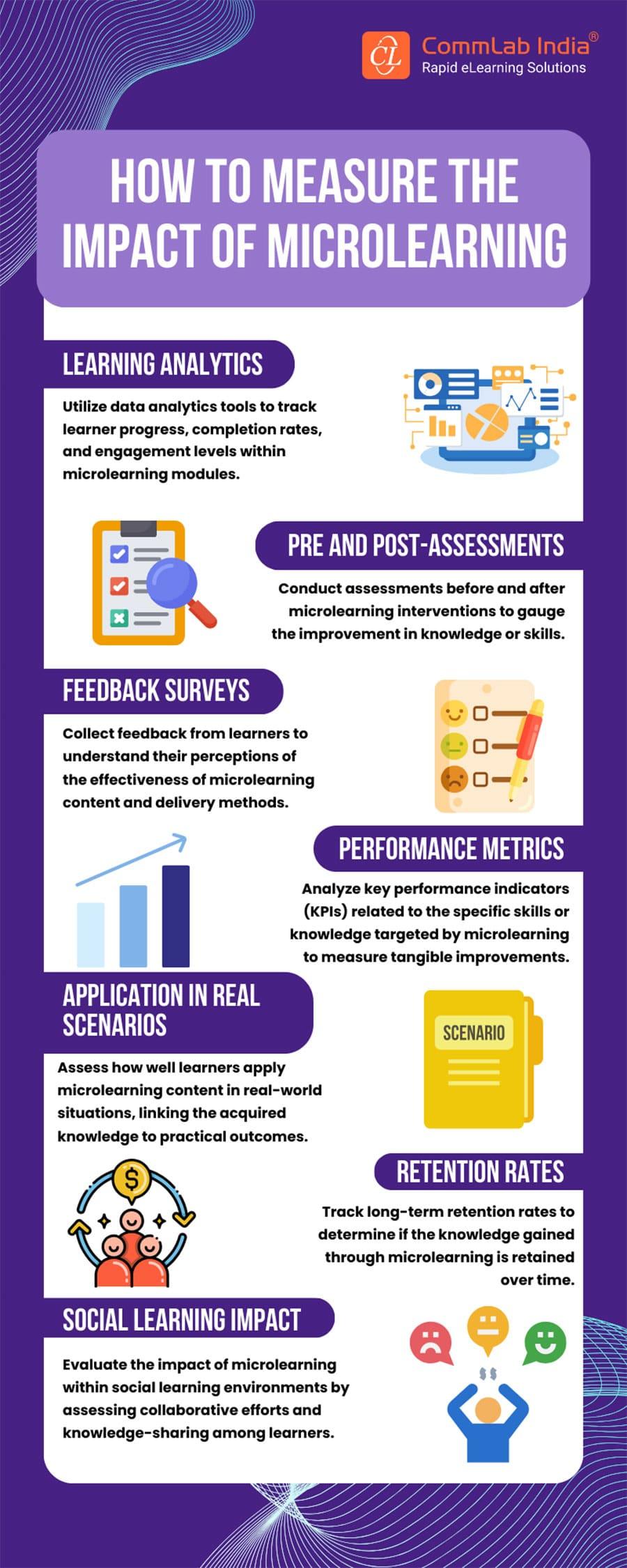
Designing Effective Microlearning Modules: Proven Strategies for engaging Learning
Microlearning is rapidly becoming a game-changer in the world of corporate training and eLearning. This innovative approach leverages short, focused learning segments to deliver content efficiently, promote active engagement, and enhance knowledge retention. If you’re looking to create effective microlearning modules, it’s crucial to understand the best practices for content design, delivery, and learner motivation. In this extensive guide, we’ll explore proven strategies, practical tips, and real-world examples to help you master the art of microlearning module design.
What Is Microlearning?
Microlearning refers to bite-sized learning experiences that focus on one key concept or skill at a time. Unlike traditional courses, microlearning modules are typically short (often 3-7 minutes), highly targeted, and easily accessible on multiple devices. This method is ideal for busy professionals, remote teams, and modern learners who prefer rapid, focused training.
- Mobile-kind microlearning can be accessed on smartphones and tablets.
- Modules often include videos, quizzes, infographics, and interactive scenarios.
- Content localization and personalization are common in microlearning.
Benefits of Microlearning in Modern Education
Implementing microlearning modules offers numerous advantages over traditional training formats. Here’s why organizations and educators are embracing microlearning for employee training and development:
- Improved Knowledge Retention: Learners absorb facts quickly and can revisit modules if needed.
- High Engagement Levels: Interactive elements and short duration maintain learner interest.
- Flexible Delivery: Microlearning can be deployed across devices, making learning accessible anywhere, anytime.
- Cost-Effective: Short modules are less resource-intensive to create and update.
- Just-In-Time Learning: Enables employees to access learning at the moment of need.
Proven Strategies for Designing Engaging Microlearning Modules
Effective microlearning module design relies on a combination of instructional strategies, technological solutions, and learner-centric approaches. Follow these tips to create high-impact microlearning courses:
1. Set Clear Objectives
- define specific learning outcomes for each module.
- Keep objectives measurable, actionable, and focused on core skills.
- Align content directly with organizational goals and learners’ needs.
2. Focus on One Learning Point per Module
- Each microlearning module should target a single topic or skill.
- This clarity prevents cognitive overload and reinforces learning.
- Break complex subjects into a series of short, connected modules.
3. Use Interactive elements
- Incorporate videos, simulations, clickable infographics, and gamified quizzes.
- Active participation increases engagement and retention.
- Leverage WordPress plugins for interactive features on learning sites.
4. keep content Concise and Visual
- Use plain language, short paragraphs, and bullet points.
- Visuals such as infographics, diagrams, and images enhance understanding.
- Remove needless details and focus on key information.
5. Optimize for Mobile Learning
- Design modules with responsive layouts for seamless mobile experience.
- Test content on various devices and screen sizes.
- Utilize mobile-compatible media and lightweight files.
6. Include Immediate Feedback
- Provide instant feedback on quizzes and activities.
- Positive reinforcement and corrective guidance boost motivation.
- Track progress and display achievements with badges or completion trackers.
7. Enable Personalization and Adaptability
- Allow learners to choose their preferred learning paths or topics.
- Offer adaptive modules that adjust to learner performance.
- Use branching scenarios for decision-based learning.
Practical Tips for Creating Microlearning courses
Top Microlearning design tips
- Storyboard Your Modules: Plan sequence, content, and interactive elements beforehand.
- Choose the Right Tools: Use authoring tools like Articulate Rise, Adobe Captivate, or WordPress LMS plugins.
- Apply Consistent Branding: Maintain consistent colors, fonts, and style for a professional look.
- Test with Pilot Groups: Run modules with small learner groups to gather feedback and improve.
- Iterate and Improve: Continuously update modules based on analytics and learner responses.
Case Studies: Microlearning Success Stories
Case Study 1: Retail Training Transformation
A global retailer replaced lengthy onboarding videos with 5-minute microlearning clips. the result? Completion rates soared to 98%, and new hires demonstrated faster skill mastery. Interactive scenarios allowed employees to practice customer interactions in a risk-free surroundings.
Case study 2: Healthcare Compliance Training
Hospitals implemented microlearning modules to train staff on new protocols. Short, mobile-accessible lessons increased compliance rates by 35% and reduced training time significantly.
case Study 3: Technology Firm Upskilling
An IT company used gamified microlearning for product training, resulting in higher engagement and reduced support calls. Leaderboards and badges motivated employees, while instant feedback helped cement new skills.
Real-World Experiences: Voices from Instructional Designers
“Our learners love microlearning as it fits seamlessly into their day. With interactive quizzes, scenario-based exercises, and mobile access, we’ve seen a marked enhancement in both engagement and knowledge request.”
– Lisa T.,Instructional Designer at a Fortune 500 company
“The flexibility of microlearning allows us to address urgent training needs rapidly. Weather it’s a product update or new compliance requirement, we can roll out mini-courses that keep our teams informed and empowered.”
– James D., Learning & Development Manager
Integrating Microlearning into Your Training Strategy
Prosperous integration of microlearning into your overall eLearning strategy involves thoughtful planning and stakeholder alignment. Consider these action steps:
- Conduct a training needs assessment to identify topics suited for microlearning.
- Select a user-friendly LMS or WordPress plugin to manage microlearning modules.
- Plan a rollout strategy, including communication, incentives, and feedback channels.
- Foster a culture of continuous learning with regular updates and microlearning refreshers.
SEO Best Practices for Microlearning Module Design
To maximize the reach and impact of your microlearning content, apply the following SEO strategies for microlearning:
- Use targeted keywords like “effective microlearning,” “engaging learning modules,” and “microlearning strategies.”
- optimize meta titles and descriptions for each module or course page.
- Structure content with clear header tags (H1, H2, H3) for readability and search rankings.
- Utilize internal links to related microlearning modules or resources on your site.
- Ensure your content loads quickly and is mobile-friendly.
Conclusion: Empowering Learners with Effective Microlearning Modules
Designing effective microlearning modules is an essential strategy for organizations striving to boost learner engagement and performance. By applying the proven design principles highlighted above—including clear objectives, interactive content, mobile optimization, and instant feedback—you can deliver transformative, high-impact learning experiences.
Microlearning not only meets the demands of modern learners but also empowers organizations to adapt quickly and train efficiently. Start crafting your microlearning modules today to unlock higher engagement, knowledge retention, and measurable results.
Ready to revolutionize your training programs? Explore our expert microlearning solutions or get in touch for personalized guidance on designing microlearning modules that truly engage your audience.