
Designing Effective Microlearning Modules: Tips for Engaging and Impactful Training
In today’s fast-paced digital learning landscape, microlearning modules have emerged as teh go-to solution for delivering quick, targeted, and effective training. Whether you’re an instructional designer, HR manager, or corporate trainer, understanding how to design compelling microlearning content is essential for driving engagement and maximizing learning outcomes. This comprehensive guide explores proven strategies,practical tips,and best practices for creating impactful microlearning modules that keep learners motivated,focused,and equipped for success.
What is Microlearning?
Microlearning is an instructional design approach that delivers content in small, easily digestible chunks. Typically, microlearning modules range from 3 to 7 minutes and focus on a single learning objective. This method leverages the power of short, focused engagement—ideal for busy professionals seeking just-in-time knowledge on specific topics.
- Duration: 2-10 minutes per module
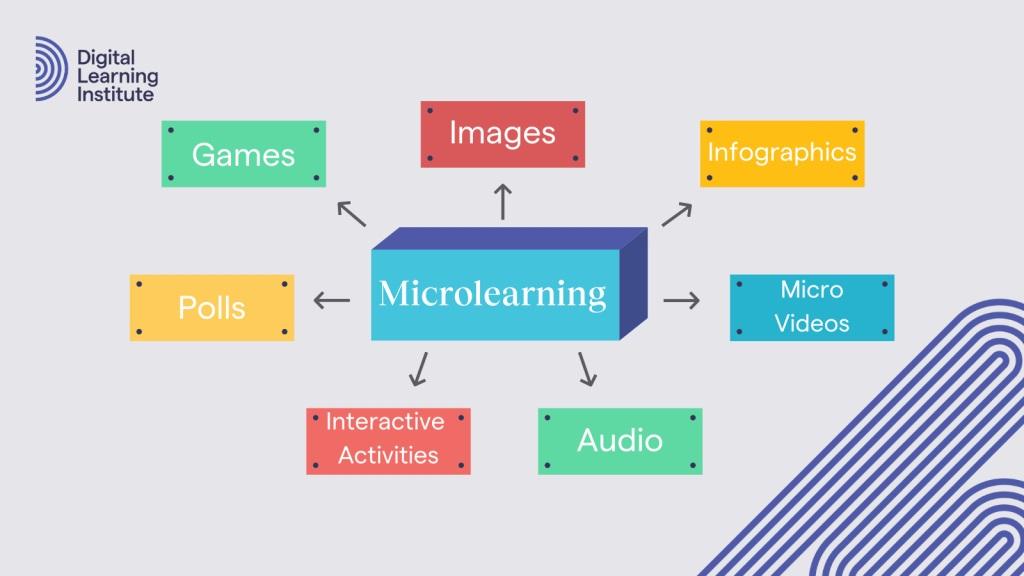
- Format: Videos, infographics, interactive quizzes, podcasts
- Objective: Address one skill or knowledge area per microlearning module
Benefits of Microlearning in Corporate Training
Microlearning offers a range of advantages for both learners and organizations. Embracing this trend can transform your traditional training programs into agile, learner-centric experiences.
- Increases Retention: Bite-sized content improves recall and understanding.
- Boosts Engagement: Interactive formats and short duration prevent learner fatigue.
- flexible Learning: Accessible on any device, anytime, anywhere.
- Cost-Effective: Simplifies content creation and deployment,lowering overall training costs.
- Performance-Oriented: Addresses specific learning gaps quickly, improving job performance.
According to recent studies, microlearning can boost retention rates by up to 25%, making it a highly effective strategy for employee training and growth.
Key Elements of Effective Microlearning Module Design
To maximize learner experience and training impact, it’s crucial to integrate specific design principles when building microlearning modules:
1. Clear and Focused Learning Objectives
Begin with a single, actionable learning objective. Clarity helps learners understand the purpose of the module and ensures content remains concise and relevant.
2. Engaging and Varied Content Formats
Incorporate multiple formats like short videos, interactive quizzes, infographics, and real-life scenarios. Diversity keeps learners engaged and accommodates different learning preferences.
3.User-Centric and Mobile-Amiable Design
Microlearning modules should be optimized for smartphones, tablets, and desktops. Responsive design enhances accessibility and supports on-the-go learning.
4. Immediate Feedback and Reinforcement
Provide instant feedback through quizzes and activities. This reinforces learning,highlights areas for improvement,and boosts motivation.
5. Visual Appeal and Cognitive Load management
Use clean layouts, vibrant colors, and plenty of whitespace.Limit unnecessary text or complex visuals to reduce cognitive load, helping learners focus on what matters.
Practical Tips for Designing Engaging Microlearning Modules
Ready to create microlearning modules that drive real results? Here are actionable tips to help you design content that resonates with learners:
- Identify Learning Needs: Analyze employee skill gaps and align microlearning topics accordingly.
- Chunk Information: Break down content into meaningful sections to avoid overwhelming learners.
- incorporate Storytelling: Use scenarios and narratives to provide context and enhance relevance.
- Gamify the Experience: Add badges, leaderboards, and rewards to motivate participation.
- Leverage multimedia: Mix videos, images, audio, and interactive exercises for maximum impact.
- Prioritize Interactivity: Engage learners with drag-and-drop activities, quick polls, and branching scenarios.
- Test and iterate: Collect learner feedback and refine modules based on performance analytics.
Case Studies: Microlearning Module Success Stories
Case Study 1: Retail Employee Training
A national retail chain implemented microlearning modules covering customer service scenarios.Within three months, employee satisfaction scores rose by 18%, and customer complaints dropped by 12%. Trainers reported that short, scenario-based modules were easier to update and maintain.
Case Study 2: Healthcare Compliance
A hospital adopted microlearning to teach compliance and privacy policies to over 1,000 staff members. Participation rates increased by 30%, and post-training assessments showed a 22% improvement in policy retention.
First-Hand Experience: Insights from a Microlearning Content Creator
“Designing microlearning modules transformed our training approach. Learners appreciated the versatility, and managers noticed a direct improvement in job performance. I found that focusing on one clear objective and adding real-world context made each module more memorable for our teams.”
– Alex B., Instructional designer
Optimizing Microlearning Modules for SEO
For content creators and WordPress site owners, optimizing microlearning module pages for search engines is crucial. Consider these best practices:
- Use Relevant Keywords: Incorporate terms like microlearning modules, effective training, and engaging learning throughout your pages.
- Wriet Descriptive Meta Titles & Meta Descriptions: Summarize the module’s focus and benefits for searchers.
- Structure Content with Header Tags (H1, H2, H3): Enhance readability and search engine ranking.
- Optimize for Mobile: Use WordPress responsive CSS for seamless viewing on all devices.
- Leverage Internal Linking: Connect related modules or articles to boost site engagement.
Conclusion: Elevate Your Training with Effective microlearning Modules
Microlearning isn’t a passing trend—it’s a proven strategy for delivering engaging and impactful training in today’s digital work surroundings.By incorporating these tips for designing microlearning modules, you’ll create training experiences that drive retention, performance, and employee satisfaction.Whether you’re updating your corporate learning strategy or launching your first module, focus on clarity, engagement, and learner needs for truly exceptional results.
Start developing your microlearning library today for a more agile, effective, and future-ready workforce!