
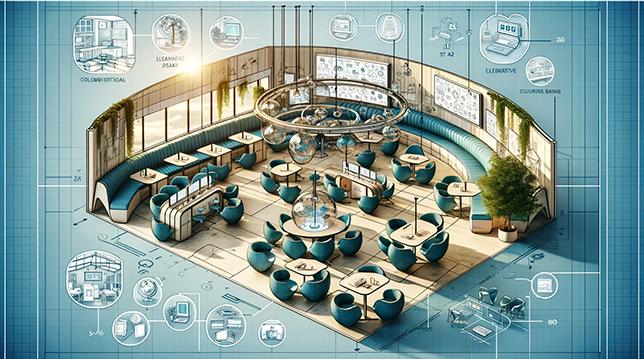
Designing Flexible Hybrid Classrooms: Innovative Strategies for Future-Ready Learning
The landscape of education is rapidly evolving.As schools and universities adapt to the post-pandemic world, the need for flexible hybrid classrooms has become increasingly apparent. By seamlessly blending in-person and online learning environments, educators can ensure that students are equipped with the skills and versatility necessary for the future.But how do you design a future-ready, hybrid classroom that meets diverse needs, sparks engagement, and maximizes learning outcomes? In this thorough guide, we’ll explore innovative strategies, share real-world examples, and provide actionable tips to help you create the best hybrid learning experience.
What are Flexible Hybrid Classrooms?
A flexible hybrid classroom is an educational space designed to support both in-person and remote participation,giving students and teachers the agility to transition between physical and virtual modes seamlessly. At its heart, a hybrid classroom leverages technology, pedagogical innovation, and flexible design to ensure continuity of learning no matter where students are located.
- Hybrid Learning: A mix of synchronous (real-time) and asynchronous (on-demand) educational activities.
- Flexible Design: Mobility in seating, digital integration, and modular layouts that can be adapted on the fly.
- Technology-Enhanced: Use of digital tools, interactive boards, video conferencing, and learning management systems (LMS).
The Case for Future-Ready Hybrid classrooms
Why commit to the transformation of conventional classrooms? Hear are compelling reasons that underscore the urgency to embrace hybrid classroom design:
- Accessibility: Equal possibility for all learners, regardless of geographic or health constraints.
- Resilience: Smooth transitions during disruptions,from pandemics to natural disasters.
- Skill Development: Prepares students with digital literacy,collaboration,and self-directed learning abilities.
- Customized Learning: Personalized paths that cater to different learning paces and preferences.
- Global Connections: Real-time collaboration with peers, experts, and resources worldwide.
Innovative Strategies for Designing Flexible Hybrid Classrooms
True future-ready learning environments are born from strategic and thoughtful design decisions. Here are key strategies to ensure your hybrid classroom is adaptable, engaging, and effective:
1. Invest in robust Technology Infrastructure
- High-speed internet, reliable Wi-Fi, and sufficient bandwidth support simultaneous in-person and online learning.
- Integrate high-quality microphones, cameras, and interactive displays to bridge the physical and virtual learning gap.
- Adopt comprehensive Learning Management Systems (LMS) such as Moodle, Canvas, or Google Classroom for resource sharing and assessment.
2. Design Multifunctional Learning Spaces
- Use modular furniture for easy rearrangement, fostering collaborative group work or individual study.
- Install writable walls or portable whiteboards for brainstorming and visual learning.
- include quiet zones for focused activities and open zones for dynamic discussions.
3. Blend Pedagogical Approaches
- Incorporate flipped classroom models, where students review materials ahead of class and use classroom time for active learning.
- Mix synchronous sessions (live lectures, discussions) with asynchronous resources (pre-recorded videos, readings, forums).
- Utilize project-based and inquiry-driven learning to capitalize on both online and offline strengths.
4. Prioritize Inclusivity and Accessibility
- Ensure digital materials are accessible (alt text, captions, screen-reader compatibility).
- Provide multiple ways for students to participate (chat,video,discussion boards).
- foster a supportive culture with regular check-ins and opportunities for feedback.
5. Leverage Data for Continuous Improvement
- Use analytics from LMS and engagement tools to monitor student progress and participation.
- Solicit feedback from students and staff, iteratively refining classroom practices and technology choices.
- Establish clear metrics for evaluating learning outcomes in the hybrid surroundings.
benefits of Flexible Hybrid Classroom design
The impact of well-designed hybrid classrooms goes far beyond logistical convenience. Below are the core benefits you can expect:
- Enhanced Engagement: Interactive tools and varied lesson delivery maintain interest.
- Broader Inclusion: Students with health concerns or special needs can participate fully.
- Future-Proof Skills: Students develop digital fluency, adaptability, and teamwork skills critical for tomorrow’s workplace.
- Improved Academic Performance: Personalized learning paths promote deeper understanding.
- Operational Flexibility: Quick pivoting between in-person and online modes during disruptions.
Practical Tips for Implementing Hybrid Classrooms
Getting started with hybrid classroom design can feel overwhelming, but these actionable tips will set you on the right track:
- Start Small: Pilot hybrid practices in a few classrooms or departments before scaling up.
- Professional Development: Offer ongoing training to teachers in technology, pedagogy, and classroom management for hybrid settings.
- Student Onboarding: Educate students on the tech, expectations, and etiquette for online and blended participation.
- Community Engagement: Involve parents and local partners in supporting hybrid initiatives and bridging the digital divide.
- Dedicated Support Teams: Assign roles for IT support, instructional coaching, and student well-being.
Real-World Case Studies and First-Hand Experiences
Case Study 1: Riverdale High School’s Agile Classrooms
At Riverdale High, classrooms were reimagined with movable desks, digital touchboards, and a robust Wi-Fi network. Teachers received hybrid instruction training and students participated both in person and remotely. The result? A 20% increase in student engagement and improved test scores, especially among previously underperforming groups.
Case Study 2: University of Future Learning
The University of Future Learning prioritized future-ready learning by redesigning lecture halls into dynamic hubs. Each space featured collaborative technology, remote participation stations, and noise-canceling zones. Professors reported richer discussions and a sharp uptick in digital skills among graduates, leading to higher job placement rates.
First-Hand Experience: A Teacher’s perspective
“Transitioning to a hybrid classroom was challenging at first, but the rewards have been substantial. My students are more involved and better prepared for real-world problem solving. The flexibility lets me personalize instruction,and I’ve seen shy students find their voice in virtual discussions. It’s transformed not just how we teach, but how we all learn together.” — ms. J. Ramirez, Middle School Teacher
WordPress CSS Styling Tips for Hybrid Classroom Content
To make your hybrid classroom resources stand out on your WordPress site, consider using the following CSS strategies:
- .highlight-box: Use for significant announcements or tips. example:
background: #e0f7fa; padding: 20px; border-radius: 5px; - .case-study: Stylize real-world stories with a soft-box shadow and light background for reader engagement.
- Mobile responsiveness: Use media queries so images,lists,and tables adapt to devices of all sizes.
- Accessible Fonts: Use clear,readable fonts and appropriate contrast ratios (e.g.,
color: #212121; background: #fff;).
Conclusion: Shaping the Future of Learning
As digital transformation accelerates, the importance of designing flexible hybrid classrooms becomes undeniable. By embracing innovative strategies—from technology investments to thoughtful pedagogy—educators can ensure that students not only navigate today’s challenges but also thrive in tomorrow’s world.
The hybrid model is not a stopgap; it’s a springboard for future-ready learning. By building resilient, adaptable, and inclusive learning spaces, we empower students with the skills, confidence, and agility to succeed—no matter what the future holds.
Ready to transform your school or institution? Start small, iterate fast, and envision the tremendous potential that hybrid classrooms unlock for every learner.