
Designing Flexible hybrid classrooms: Key Strategies for Modern Learning Environments
The landscape of education is evolving rapidly, driven by digital transformation, changing student needs, and growing demand for flexible learning opportunities. Enter the age of hybrid classrooms—dynamic spaces where in-person and remote learners interact seamlessly. A thoughtfully designed flexible hybrid classroom supports diverse teaching strategies, maximizes student engagement, and empowers educators to deliver impactful, future-ready learning experiences.
Why Flexible Hybrid Classrooms Matter Today
The hybrid classroom model combines customary face-to-face instruction with virtual learning, giving students the best of both worlds. By integrating technology, adaptable layouts, and collaborative tools, these classrooms break down barriers to accessibility and foster a sense of community—no matter where students are.
- Versatility: Accommodates students’ diverse schedules and learning preferences.
- Resilience: Maintains continuity during disruptions (such as health crises, weather events, or travel restrictions).
- Engagement: Offers interactive and personalized learning experiences.
- Collaboration: Bridges the gap between on-site and remote participants for shared projects and discussions.
Key Strategies for Designing Flexible Hybrid Classrooms
Creating a modern hybrid learning environment isn’t just about adding a webcam or a few extra screens. It requires careful planning, intentional design choices, and a focus on student and educator needs.
1. Invest in Robust Technology Infrastructure
- High-speed Internet: Ensure strong,reliable Wi-Fi coverage throughout the classroom for seamless video streaming and cloud access.
- Audio-Visual Tools: Equip classrooms with high-quality cameras, microphones, interactive displays, and speakers to facilitate real-time interaction.
- Remote Collaboration Software: Adopt platforms like Zoom, Microsoft Teams, or Google Meet for live sessions, screen sharing, and breakout rooms.
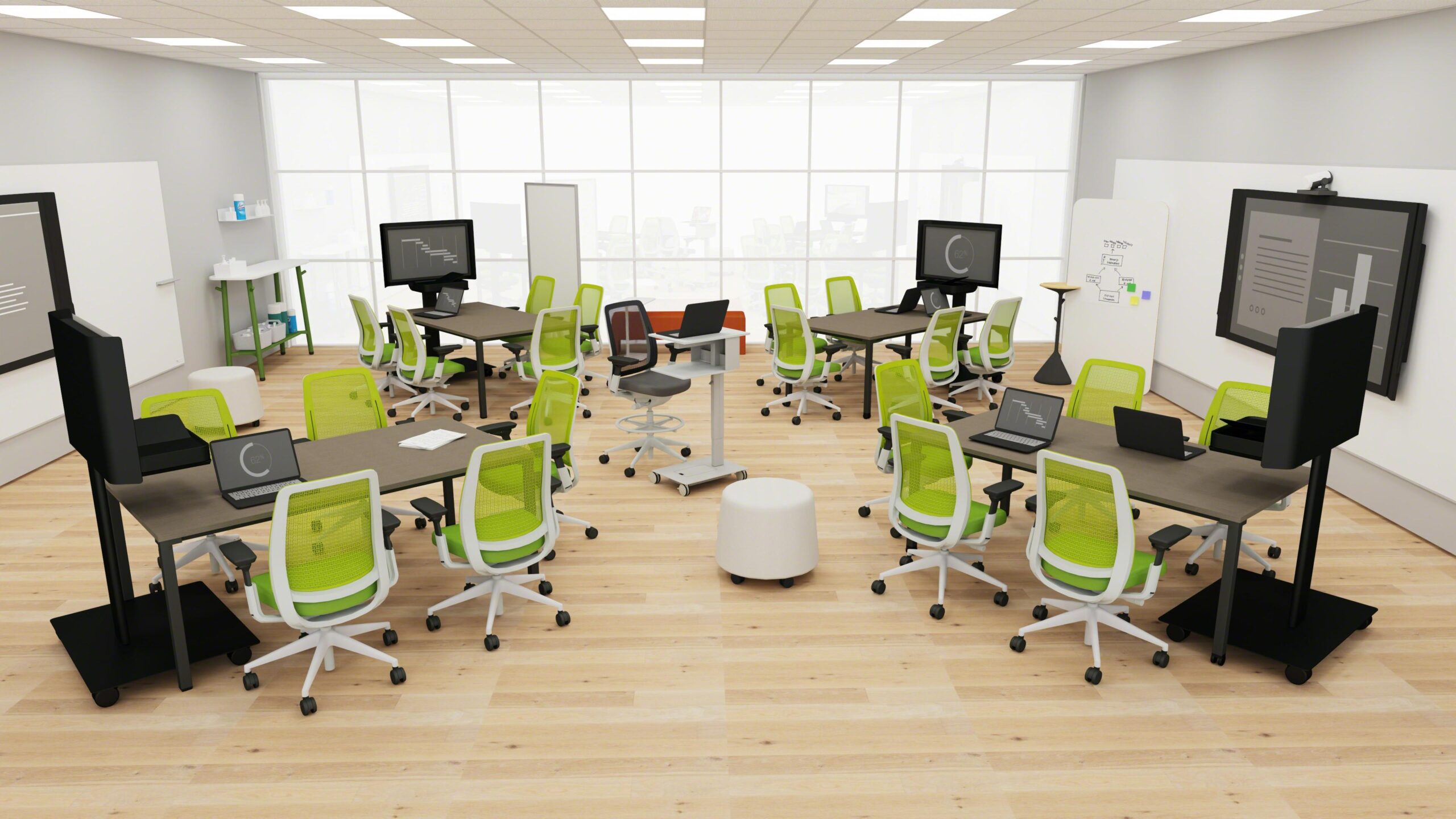
2. Prioritize Flexible Furniture & Physical Layouts
The physical configuration should adapt to various teaching modes—individual, group, or hybrid.
- Mobile desks and Chairs: choose lightweight, movable furniture to support rapid reconfiguration.
- Collaborative Zones: Designate specific areas for group work,brainstorming,and one-on-one discussions.
- Tech-Enabled Workstations: Include docking stations and power outlets for students’ devices, making technology a seamless part of the classroom.
3. Optimize Classroom Acoustics and lighting
Acoustics and lighting impact both in-person and remote learners’ experiences.
- Sound Dampening: Use acoustic panels,carpeting,or ceiling tiles to minimize echo and background noise.
- Lighting: Integrate adjustable LED lighting and window shades to reduce screen glare and eye strain. Well-lit faces enhance camera visibility.
4. Integrate Interactive Digital Tools
- Learning Management Systems (LMS): Adopt platforms like Moodle, Canvas, or Blackboard for sharing resources, submitting assignments, and tracking progress.
- Real-Time Engagement: Use polling apps,quizzes,and digital whiteboards (such as Google Jamboard or Padlet) to involve all participants actively.
- accessibility Features: Enable closed captions, screen readers, and translation tools to support diverse learners.
5. Design for Inclusivity and Accessibility
An effective hybrid classroom ensures that all students—regardless of location or ability—can participate fully. Consider:
- clear Sightlines: Arrange screens and furniture so remote students are always visible and included in the conversation.
- Accessible Resources: Provide digital handouts in accessible formats and offer extra support where needed.
- Universal Design for Learning (UDL): Build in options for representation, expression, and engagement to support all learners.
The Benefits of Flexible hybrid Learning Environments
- Personalized Learning: Students can learn at their own pace,rewatch recorded lectures,and access resources anywhere.
- Increased Participation: Shy or remote students can engage through chat, polls, or breakout rooms.
- Expanded Reach: Hybrid classrooms break down geographic barriers, making high-quality education more accessible globally.
- Teacher Empowerment: Educators can experiment with new teaching styles, flipped classrooms, or blended assignments with greater ease.
Practical Tips for Implementing Flexible Hybrid Classrooms
- Start small: Pilot hybrid models in a few classes to gather feedback and fine-tune logistics.
- Professional Growth: Train teachers on hybrid best practices, new tools, and engagement techniques.
- Test Technology Regularly: Prevent disruptions by running routine checks on AV equipment and Wi-Fi.
- Establish Clear Protocols: Set expectations for participation, attendance, and communication for all students.
- Seek Student Input: Regularly solicit feedback from learners to address pain points and improve the environment.
- support Well-being: Recognise the mental and physical strain of hybrid learning, offering breaks and wellness resources.
Case Study: A Real-World Example of Flexible Hybrid Classroom Design
In 2021, Lincoln High school recognized a need for greater adaptability in its classrooms. After consulting educators, students, and technology experts, the school redesigned several rooms with the following features:
- 360-degree cameras and ceiling-mounted microphones, providing remote students with an immersive “in-class” experience.
- modular desks and easy-to-move whiteboards for rapid reconfiguration.
- Acoustic wall panels and blackout curtains, creating a distraction-free environment.
- An LMS that united in-person and virtual assignments, grading, and communication.
After one semester, Lincoln High found a 30% increase in student engagement and reported higher satisfaction among both students and teachers. Notably, students who were previously absent due to illness or family obligations were able to keep up with their studies.
First-Hand Experience: Teacher Insights on Hybrid teaching
“The hybrid classroom pushed me to innovate in ways I never expected. Now, my students collaborate in real time—some from their homes, others from their desks.The technology makes it possible, but it’s the flexible setup and willingness to experiment that drive real engagement.”
– Jamie Liu, Secondary Math Teacher
Conclusion: Building Modern Learning Environments for the Future
the shift toward flexible hybrid classrooms is more than a response to today’s challenges—it’s an investment in a more adaptive, equitable, and student-centered future. By combining smart technology, thoughtful space design, and inclusive teaching practices, schools and universities can create vibrant environments where every learner can thrive.
Ready to start designing your own flexible hybrid classroom? Focus on your community’s needs, be open to experimentation, and remember: it’s not just about the physical space—it’s about building connections, regardless of where learning happens.