
Designing Flexible Hybrid Classrooms: Key Strategies for Modern Learning Spaces
In teh rapidly evolving landscape of education, the demand for innovative and adaptable learning environments has never been greater. Flexible hybrid classrooms are at the forefront of this transformation, blending in-person and online instruction to offer a dynamic and engaging experience for both students and educators. In this comprehensive guide,we’ll explore the core strategies for designing hybrid classrooms that foster collaboration,productivity,and lifelong learning.
What Are flexible Hybrid Classrooms?
Hybrid classrooms are modern learning spaces that seamlessly integrate physical and digital environments. By leveraging technology and flexible design principles, these classrooms enable synchronous and asynchronous learning, meeting the needs of in-person and remote students alike. The core objective is to create adaptive learning spaces that can be quickly reconfigured to support a wide variety of teaching and learning styles.
Benefits of Flexible Hybrid Classrooms
- Inclusive Learning: Accommodate both on-site and remote students, ensuring equal access to resources and participation opportunities.
- Scalability: Easily adjust to different class sizes, group activities, and instructional methods.
- Technology Integration: Leverage digital tools to support diverse learning modalities.
- Enhanced Engagement: Foster collaboration and active participation through a variety of interactive learning options.
- Future-Proofing: Prepare for unforeseen disruptions by maintaining continuity whether learners are physically present or participating online.
Key Strategies for Designing Modern Hybrid Learning Spaces
1. Embrace Flexible Furniture and Modular Layouts
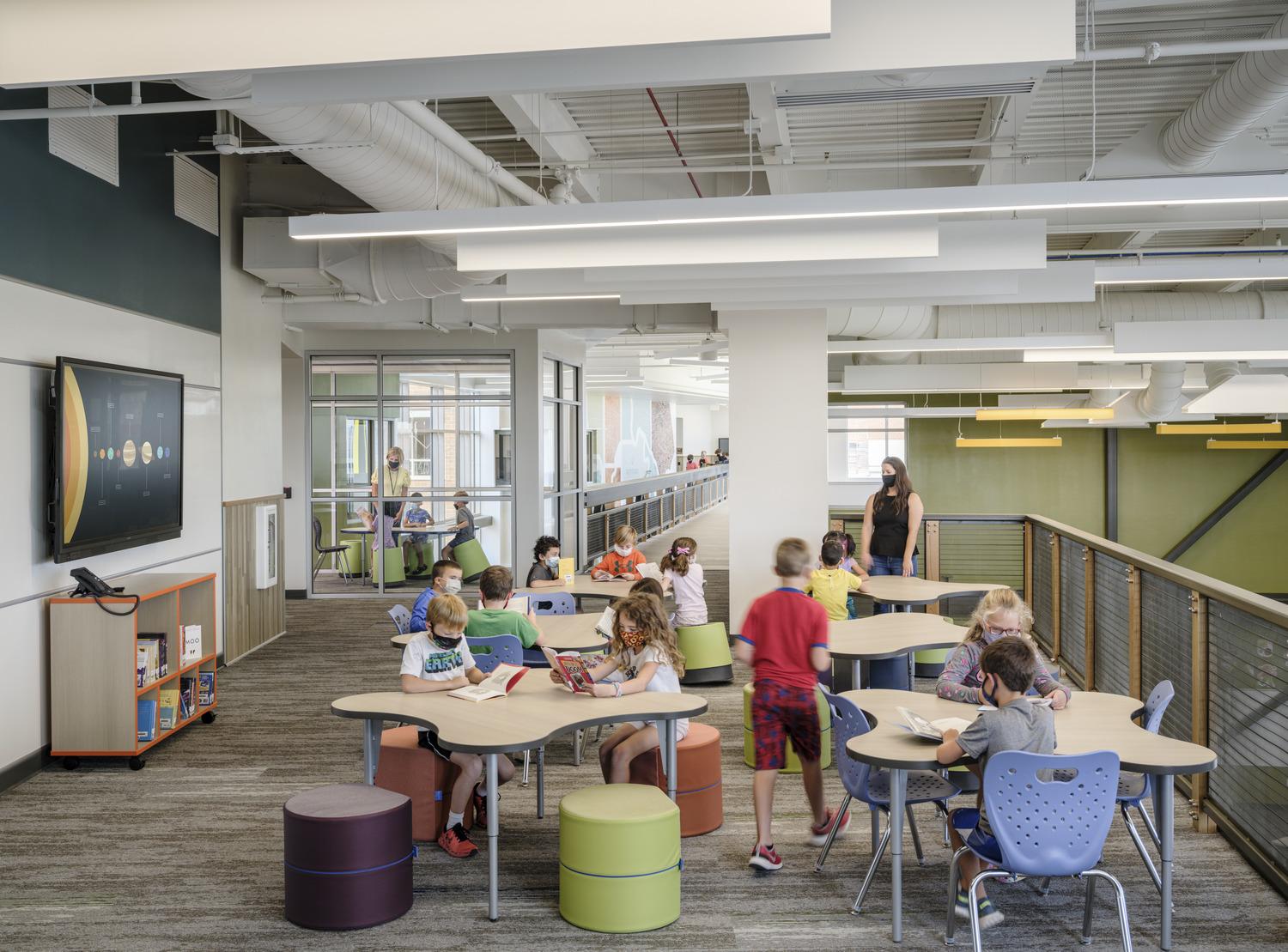
Adaptability begins with physical design. Opt for lightweight, mobile furniture that can be easily rearranged. Consider modular desks and tables, movable partitions, and ergonomic seating to quickly adapt the classroom layout based on instructional needs.
- Use nesting tables and stackable chairs for speedy reconfiguration.
- Incorporate writable surfaces,such as whiteboards or glass panels,for brainstorming and group work.
- Design “zones” for lecture, collaboration, and self-reliant study.
2. Integrate Advanced Technology and AV Solutions
A hallmark of modern hybrid classrooms is robust technology integration. Ensure the space is equipped with high-definition cameras, wireless microphones, and large interactive displays to facilitate seamless interaction between on-site and remote learners.
- Invest in ceiling-mounted microphones and speakers for clear audio transmission.
- Install 360-degree cameras to capture the full classroom view.
- Implement smart boards and touchscreens for versatile content sharing.
- Create reliable WiFi access points to support multiple devices.
3. Ensure Global Accessibility
Accessibility is crucial in supporting diverse learning needs. Design the classroom to be ADA-compliant and ensure all digital resources are accessible to students with disabilities.
- Use adjustable-height desks for wheelchair access.
- Provide captioning for recorded and live video content.
- Select software platforms that support screen readers and assistive technology.
4. Maximize Natural Light and Acoustics
Optimal lighting and sound management are vital for maintaining focus and comfort. Whenever possible, use large windows and adjustable blinds to control natural light, and incorporate acoustic panels or carpeting to reduce noise distractions.
5. Prioritize Flexibility in Scheduling and Space Booking
Hybrid learning frequently enough involves rotating schedules and variable occupancy. Implement digital booking systems and transparent scheduling policies to maximize space utilization and minimize conflicts.
Practical Tips for Implementing Flexible Hybrid Classroom design
- Involve Stakeholders: Collect input from faculty, students, and IT departments before finalizing the design.
- Pilot and Iterate: Start with a pilot classroom and gather feedback to improve future iterations.
- Provide Training: Equip instructors and students with the necessary skills to use new technology effectively.
- Maintain Tech Support: Establish dedicated support channels to quickly resolve technical issues.
case Study: Flexible Hybrid Classrooms in Action
One accomplished example comes from Riverdale University, which transformed its traditional lecture halls into flexible hybrid spaces. Each room is equipped with modular furniture, ultra-wide video screens, and wireless collaboration tools. Faculty receive ongoing training, and feedback loops ensure that classroom design evolves with user needs. Consequently, student engagement and satisfaction scores have consistently improved, regardless of whether learners attend in-person or remotely.
First-Hand Experience: Educators’ Insights
“Transitioning to a flexible hybrid classroom has transformed my teaching.I can break students into virtual and physical groups,use shared digital whiteboards,and truly personalize learning. The adaptability makes it possible to engage with everyone, no matter where they are.”
— Alex Morgan, High School Science Teacher
How to Maximize Learning Outcomes in Flexible Hybrid Classrooms
- Rotate Group Work: Blend in-person and online breakout sessions to build communication skills and foster inclusion.
- Leverage Analytics: Use learning management systems (LMS) to track participation and adapt instruction in real-time.
- Encourage Collaborative Tools: Incorporate apps like Google Workspace or Microsoft Teams to support ongoing projects and peer feedback.
- Solicit Continuous Feedback: regularly survey students to respond to challenges and refine teaching practices.
Overcoming Challenges in Hybrid Classroom Design
Implementing flexible learning spaces comes with challenges, including budget constraints, technology adoption, and changing pedagogical approaches. To address these obstacles:
- Prioritize investments that offer the highest impact, such as core AV infrastructure and flexible furnishings.
- Foster a culture of innovation and ongoing professional progress among faculty and staff.
- Stay current with emerging trends in education technology and classroom design.
Conclusion: The Future of Modern Learning Spaces
The shift toward flexible hybrid classrooms is more than a trend—it’s a response to the evolving needs of today’s learners and educators. By embracing adaptability, integrating advanced technology, and prioritizing inclusivity, schools and universities can create future-ready learning environments that inspire engagement, creativity, and excellence. Whether you’re updating an existing space or planning a new build, following these strategies will help you design dynamic classrooms that set the stage for modern, effective, and equitable education.